A damp crawl space can make a clean house feel stubbornly unhealthy. Many U.S. homeowners hear about crawl space encapsulation only after they smell must, see cupped floors, notice high utility bills, or find out a buyer’s inspector has flagged moisture under the house. That is late, and late costs more. The space below your floors is not separate from your living space; it is part of the same breathing, shifting, aging structure. When it stays wet, dirty air rises, wood absorbs moisture, pests get comfortable, and HVAC equipment works harder than it should. Homeowners who plan repairs through trusted home improvement resources such as property care and renovation guides often catch the bigger truth early: the best crawl space upgrades are not cosmetic. They protect comfort, structure, resale confidence, and everyday health in quiet ways most people never notice until something goes wrong.
Crawl Space Encapsulation Turns Hidden Moisture Into a Manageable Problem
Moisture under a house rarely announces itself with drama at first. It creeps in through bare soil, loose vents, foundation gaps, poor drainage, and humid summer air. The overlooked benefit is control. Once the crawl space stops acting like an open dirt pocket, the rest of the house becomes easier to manage.
Why crawl space moisture control protects more than wood
Moisture does not stay polite once it enters a crawl space. It moves into floor joists, insulation, ductwork, subfloor panels, and the lower edge of walls. A homeowner in North Carolina or Tennessee may blame summer humidity for sticky indoor air, while the actual source sits below the living room.
Strong crawl space moisture control changes that pattern. A sealed ground vapor barrier blocks damp soil from feeding the space every day. Sealed vents reduce the seasonal rush of wet outdoor air. A fitted dehumidifier keeps humidity from lingering long enough to feed mold and wood decay.
The counterintuitive part is that closing a crawl space can make it drier, not wetter. Older advice told homeowners to “let it breathe,” but open vents often pull in hot, humid air during the months when the crawl space is coolest. That air condenses on framing and duct surfaces. Fresh air sounds healthy. Wet fresh air is not.
How sealed ground coverage changes daily comfort upstairs
Bare soil under a house acts like a slow leak. Even when it looks dry, it can release water vapor into the air above it. That vapor does not need standing water to cause trouble. It needs time, poor airflow, and surfaces cool enough to collect dampness.
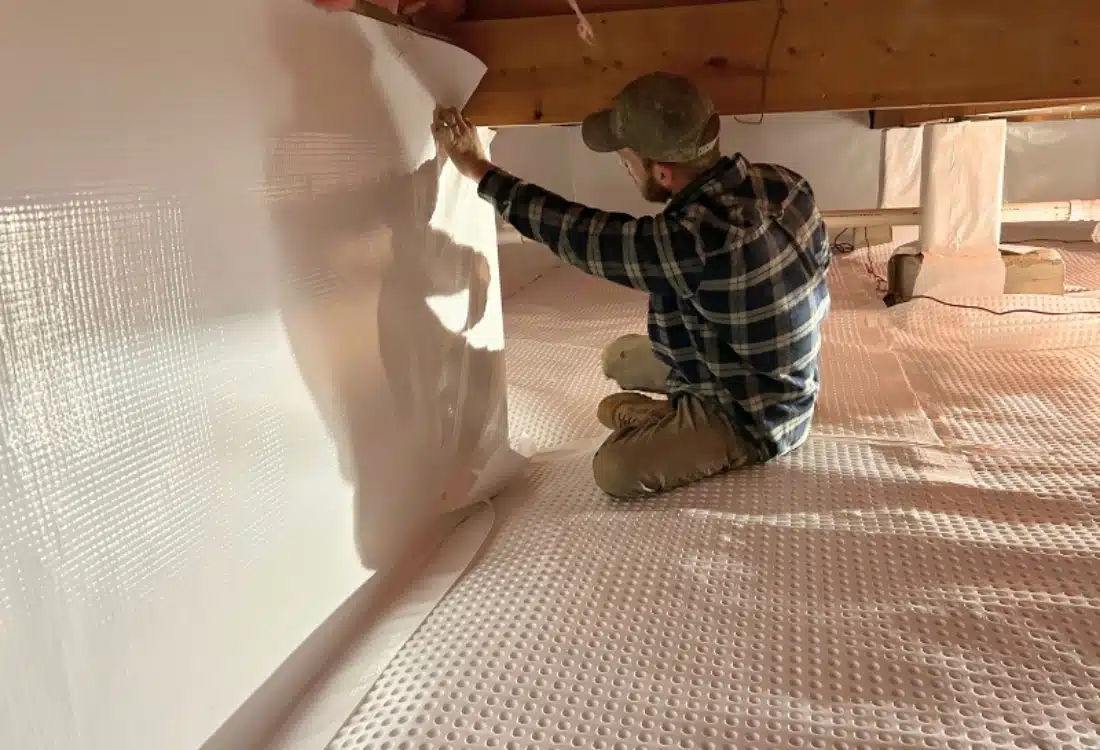
A heavy vapor barrier interrupts that quiet exchange. When installers overlap seams, seal edges to foundation walls, wrap piers, and manage drainage, the crawl space starts behaving more like a controlled service zone. You still need access for plumbing, wiring, and inspections, but you no longer have a damp-earth chamber influencing the floors above.
That matters in ordinary rooms. Floors feel less clammy. Musty odors fade. Interior humidity becomes easier to balance. A ranch home in Georgia with hardwood floors may see fewer seasonal floor issues after the crawl space dries out because the subfloor no longer absorbs moisture from below every month.
Cleaner Air Starts Below the Floor
Most homeowners think indoor air problems begin with carpet, pets, candles, or a dusty return vent. Those things matter, but they are not the whole story. Air often moves upward from the lower parts of the home through gaps, penetrations, wall cavities, and floor openings. A dirty crawl space can quietly become part of the air you breathe.
How home air quality changes when the crawl space stops feeding odors
Musty air has a source. It may come from damp wood, old insulation, standing water, pest activity, or soil vapor. Air pressure inside a home can draw that scent upward, especially when heating systems run in winter or exhaust fans pull air out of bathrooms and kitchens.
Better home air quality begins when the crawl space stops feeding the house with stale air. Encapsulation does not replace cleaning, filtration, or ventilation inside the home. It gives those systems a cleaner starting point. That is a huge difference.
One overlooked sign is the smell that returns after deep cleaning. A homeowner may wash curtains, clean carpets, change filters, and still notice that earthy odor near closets or floor registers. The issue is not poor housekeeping. The house is pulling from a dirty lower zone. Fix the lower zone, and the indoor fixes finally hold.
Why allergy-sensitive families notice crawl space changes first
Sensitive people often detect crawl space problems before the house looks damaged. A child with allergies may wake up stuffy. A parent may notice headaches in certain rooms. A guest may smell mildew near the hallway, while the homeowner has gone nose-blind.
Encapsulation can reduce the conditions that support mold growth, dust mites, and pest debris below the floor. It also helps keep loose fiberglass insulation from sagging, holding moisture, and collecting grime. That does not turn the home into a medical-grade clean room, but it removes a dirty pressure point from the living environment.
The overlooked benefit is emotional. People relax more in a house that smells neutral. They stop wondering whether the odor is in the walls, furniture, or HVAC system. A dry crawl space gives the home a cleaner baseline, and that baseline changes how the house feels every morning.
Foundation Protection Begins Before Damage Looks Serious
Structural repairs scare homeowners because they sound expensive, invasive, and hard to understand. Crawl space problems often reach that point because early warning signs look small. A little condensation. A few soft spots. A musty corner. A minor pest trail. Under the floor, small problems get time to grow.
Why foundation protection is a long-term ownership move
Wood framing under a house can tolerate seasonal changes. It cannot tolerate constant dampness without consequences. Moisture can soften joists, encourage fungal growth, weaken subfloor panels, and make metal fasteners more prone to corrosion. None of that happens overnight. That is exactly why homeowners miss it.
Good foundation protection starts with controlling the crawl space environment. Sealed ground coverage, drainage correction, insulated walls where appropriate, and humidity control work together to reduce stress on the structure. The point is not to make the crawl space pretty. The point is to keep the home’s support system from aging faster than it should.
A homeowner in Virginia with a 1970s brick ranch may not care how the crawl space looks. Fair enough. But future buyers, inspectors, lenders, and insurance conversations can all care deeply once moisture damage appears. Preventing that mess is quieter than repairing it, but quiet wins.
How pest pressure drops when damp shelter disappears
Pests love places that offer moisture, darkness, shelter, and easy movement. An open crawl space can offer all four. Rodents find insulation useful for nesting. Insects follow damp wood and organic debris. Termites need moisture pathways and hidden access points to become a larger threat.
Encapsulation does not replace pest control, and it does not excuse skipping termite inspections. It does make the space less welcoming. Sealed vents, sealed gaps, cleaner ground coverage, and lower humidity remove many of the conditions pests prefer.
Here is the odd part: a cleaner crawl space can also make problems easier to spot. Tracks, droppings, plumbing leaks, and new entry points stand out on a clean liner far more than they do over dirt, debris, and torn insulation. Prevention improves, and inspection gets easier. That is a practical win homeowners rarely mention.
Energy Savings Come From Reducing the House’s Hidden Load
Utility bills usually get blamed on old windows, attic insulation, or an aging HVAC unit. Those can be real issues, but crawl spaces affect energy performance in a quieter way. When ducts, floors, and air pathways sit inside a damp, uncontrolled zone, the system must work through conditions it was never meant to fight every day.
Where energy savings appear in ordinary monthly bills
Encapsulation can support energy savings by reducing unwanted air movement and moisture load. HVAC systems do not only heat and cool air. They also battle humidity. When a crawl space keeps feeding damp air into the home, the system works harder to make rooms feel comfortable.
Sealed crawl spaces also help protect ductwork. In many U.S. homes, ducts run through the crawl space. If that area is damp, leaky, and open to outdoor swings, conditioned air loses more value before it reaches bedrooms and living rooms. The homeowner may lower the thermostat, not knowing the house has a delivery problem underneath.
A Florida panhandle home with cool floors in winter and sticky rooms in summer may not need a larger HVAC system first. It may need the crawl space brought under control. Bigger equipment can mask symptoms for a while. It cannot fix a damp lower envelope.
Why comfort gains can matter more than the dollar amount
Some homeowners expect encapsulation to pay for itself only through lower bills. That can happen over time, but the better benefit may be comfort stability. Rooms feel less uneven. Floors feel less punishing in winter. The HVAC system cycles with less strain. The house stops feeling like it has moods.
This is where crawl space encapsulation becomes more than a repair project. It changes the relationship between the home and the weather outside. Hot, wet air has fewer pathways in. Cold drafts lose some of their bite. The house does not become perfect, but it becomes calmer.
The overlooked insight is that comfort has value even when it does not show up as a single dramatic bill drop. Fewer thermostat battles, fewer odor complaints, fewer damp corners, and fewer “why does this room feel off?” moments matter. A house that behaves predictably is easier to live in.
Resale Confidence Comes From Removing an Inspector’s Favorite Red Flag
Homeowners often think about resale only when they plan to list. Crawl spaces punish that timing. Buyers do not enjoy surprises under a house, and inspectors rarely ignore moisture, sagging insulation, staining, pest evidence, or standing water. Even when the main living areas look polished, the crawl space can rewrite the negotiation.
How clean crawl spaces change buyer trust
A buyer may not understand encapsulation in detail, but they understand clean versus neglected. A bright liner, sealed seams, dry framing, labeled access, and a working dehumidifier send a clear message: this house has been cared for below the surface. That message carries weight.
Poor crawl spaces create doubt. Buyers start wondering what else has been ignored. Agents prepare for repair requests. Sellers lose confidence because they cannot explain what the inspection found. One damp photo in a report can become a larger negotiation weapon than the issue deserves.
Encapsulation gives sellers a better story. It shows action, not denial. When paired with drainage records, pest inspections, humidity readings, or warranty information, it helps turn a scary unknown into a managed system. That does not guarantee a higher offer, but it can keep a deal from wobbling over preventable fear.
Why maintenance access still matters after encapsulation
A sealed crawl space should not become a forgotten crawl space. Plumbing lines can leak. HVAC ducts can loosen. Dehumidifiers need service. Termite inspectors still need visibility. The best projects leave the space cleaner and more usable, not hidden behind sloppy plastic and wishful thinking.
Smart maintenance is simple. Check the access door. Look for torn liner sections. Watch humidity readings. Keep gutters and downspouts moving water away from the foundation. Walk the exterior after heavy rain and see where water wants to go.
The benefit most homeowners miss is discipline. Encapsulation turns the crawl space into a part of the home you can inspect without dread. That changes behavior. When a space feels manageable, people maintain it. When it feels disgusting, they avoid it until the repair bill gets loud.
Conclusion
A crawl space does not need to look dramatic to cause expensive trouble. It only needs moisture, time, and a homeowner who assumes the problem is too far below the floor to matter. That assumption costs people money in repairs, comfort, air quality, resale leverage, and plain peace of mind. The smartest move is to treat the crawl space as part of the home’s living system, not as a dirty gap between the ground and the floor. Done well, crawl space encapsulation gives you control over moisture, smell, pests, energy loss, and inspection risk before they become separate emergencies. Start with a real assessment, fix drainage first, choose proper materials, and make sure the finished space can still be inspected. Do not wait for soft floors or a failed sale to take the hint. Protect the space below your home, and the rooms above it will reward you every day.
Frequently Asked Questions
What are the biggest crawl space encapsulation benefits for older homes?
Older homes often gain better moisture control, fewer musty odors, steadier indoor comfort, and stronger protection for wood framing. The biggest benefit is prevention. Encapsulation helps slow the hidden damage that builds under older floors before homeowners notice visible warning signs upstairs.
Does crawl space moisture control help with mold problems?
Lower humidity makes mold less likely to grow and spread under the house. Existing mold should be evaluated and treated before sealing the space. Encapsulation works best when drainage, cleaning, vapor barriers, and humidity control all support the same goal.
Can encapsulation improve home air quality upstairs?
Cleaner crawl spaces can support better home air quality because air often moves upward from below the floor. Sealing dirt, reducing dampness, and removing wet insulation can reduce musty odors and airborne irritants that enter living areas through gaps and floor openings.
Is foundation protection a good reason to encapsulate a crawl space?
Foundation protection is one of the strongest reasons to act early. Damp crawl spaces can weaken wood framing, rust metal connections, and invite pest activity. Encapsulation helps keep the support structure drier, cleaner, and easier to inspect over time.
How much energy savings can a homeowner expect?
Energy savings vary by climate, HVAC setup, duct condition, and how wet or leaky the crawl space was before the work. Many homeowners notice steadier comfort first. Lower bills may follow when the system no longer fights damp air and uncontrolled drafts.
Should crawl space vents stay open after encapsulation?
Most encapsulated crawl spaces use sealed vents because open vents can bring humid outdoor air into a cooler space. The right setup depends on local code, climate, drainage, and HVAC design. A qualified contractor should design the system before vents are closed.
Does encapsulation stop pests from entering the crawl space?
Encapsulation can reduce pest pressure by removing damp shelter, sealing gaps, and making the space cleaner. It does not replace pest control or termite inspections. The real benefit is that new pest activity becomes easier to see and address early.
How often should an encapsulated crawl space be inspected?
A practical schedule is at least twice a year, plus after major storms or plumbing issues. Check the liner, humidity level, access door, drainage, dehumidifier, and any visible pipes or ducts. Regular checks keep small problems from becoming expensive repairs.