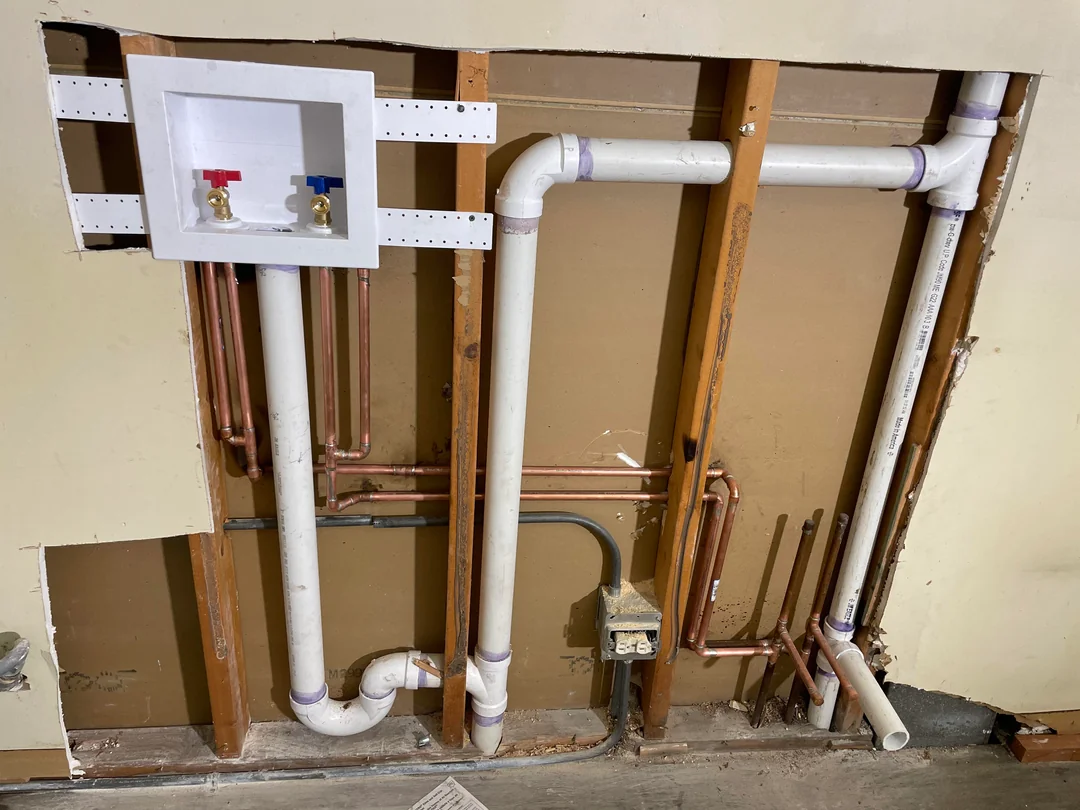
A laundry room can look finished and still fail behind the wall. That is why rough in dimensions matter so much: they decide whether the washer drains cleanly, the hoses reach without stress, and the wall box lands where a real person can use it. In a typical U.S. home, the safest plan is not to copy a random photo online. It is to line up the drain, trap, vent, valves, and outlet box before drywall hides the mistakes. Good planning also protects the kind of practical home upgrade work many owners research through trusted property improvement resources before hiring help. The exact layout can change by city, code version, washer model, wall framing, and whether you have a laundry sink nearby, but the core idea stays the same: leave enough height, space, and access for water to move without fighting the machine.
Rough In Dimensions That Make a Laundry Room Work
Good laundry plumbing starts with boring measurements. That sounds dull until you see a washer hose kink behind a new machine or a drain box buried so low that the standpipe acts like a weak afterthought.
Washer box height should serve the machine, not the photo
Most washing machine outlet boxes land somewhere around the upper back of the washer. Oatey, a common manufacturer of washer outlet boxes, gives a standard supply box height of 36 to 42 inches from the finished floor to the bottom of the box, while also advising installers to check the appliance maker’s specs before marking the wall.
That range works because it keeps the valves reachable without forcing hoses into tight bends. A front-load washer on a pedestal can change the sweet spot. A stacked washer and dryer can change it even more. The mistake many homeowners make is measuring from the subfloor during framing, then forgetting tile, underlayment, or finished flooring.
A smart rough-in mark starts at finished floor height, not wishful floor height. If the floor is still open, you mark the expected finished level on the stud bay and measure from there. That small habit keeps the box from ending up an inch or two lower than planned.
Drain size and standpipe height are not decoration
A clothes washer moves water fast, and a small drain line can turn that speed into foam, backup, or overflow. The 2024 International Plumbing Code says the trap and fixture drain for an automatic clothes washer standpipe must be at least 2 inches in diameter, and the standpipe fixture drain must connect to a 3-inch or larger branch or stack.
The standpipe also needs the right vertical height above the trap. The 2021 IPC states that standpipes must be individually trapped and must extend at least 18 inches but not more than 42 inches above the trap weir. That range is not random. Too short, and the washer can spill or splash out. Too tall, and the washer pump may work harder than it should.
In real homes, the best rough-in is usually calm, centered, and boring. The drain rises cleanly, the trap remains accessible by code and layout, and the box sits where the washer manual and local inspector can both live with it.
How Drain, Trap, and Vent Placement Prevents Trouble
Once the wall box height looks right, the hidden pipe layout still has to behave. This is where many laundry rooms go wrong. The visible box gets attention, while the trap arm and vent get treated like leftovers.
The trap has to stay close enough to protect the seal
The trap holds water that blocks sewer gas from entering the home. That water seal depends on proper venting and distance. When the trap arm runs too far before it finds a vent, fast washer discharge can pull at the seal and leave odors behind.
A washer drain is not gentle. It dumps in bursts, and that burst can expose sloppy pipe work faster than a bathroom sink ever would. A homeowner might smell sewer gas and blame the washer, detergent, or floor drain, while the real fault sits inside the wall.
Local code controls trap arm length, slope, and vent location, so this is one place where a licensed plumber earns the fee. In a remodel, the cleanest-looking wall is not always the best plumbing wall. The right wall is the one that lets the trap, vent, and drain line work without strange turns.
Venting matters more than many DIY layouts admit
A vent does not carry dirty water during normal use. That makes it easy to underestimate. The vent lets air enter the drainage system so water can move without siphoning the trap dry.
In older U.S. laundry rooms, you may find a washer added where no washer was planned. The drain might tie into a nearby sink line or run through a basement joist bay with little thought. Sometimes it works for years with an older machine, then fails when a high-flow modern washer arrives.
The counterintuitive part is that the new washer is not always the villain. The old piping may have been barely acceptable from day one. A faster pump only exposes the weak layout. Good vent planning keeps the system stable before the first load of towels ever hits the spin cycle.
Rough In Dimensions for Clearances, Access, and Real-Life Use
Laundry plumbing does not live alone. It shares space with electrical outlets, dryer vents, cabinets, baseboards, shelves, and human hands. A technically correct pipe can still create a frustrating laundry room if nobody can reach the valves.
Leave room behind the washer before the wall closes
Most washers need breathing room behind them for hoses, the drain hose curve, and vibration. A recessed outlet box helps, but it does not erase clearance needs. The washer should not crush the supply hoses against drywall.
A practical layout gives the box a centered position behind the washer or slightly offset where access is easier. In tight laundry closets, side access may matter more than perfect symmetry. A homeowner in a narrow hallway laundry closet may need to shut off water fast without dragging the washer into the corridor.
This is where design magazines mislead people. A flush, perfect laundry nook looks clean in a photo, but service access matters more than a flat wall line. Water shutoff valves should be reachable because hoses fail on ordinary Tuesdays, not during planned maintenance windows.
Cabinets and counters change the plumbing plan
A laundry counter can make the room feel finished, but it can also trap valves behind millwork. Upper cabinets may block a tall standpipe layout. A side sink may pull the drain layout in a direction the washer does not like.
Plan the plumbing after the cabinet layout is known, not before. A folding counter above front-load machines may require a lower, cleaner hose path. A utility sink beside the washer may need its own trap and vent arrangement, or it may connect under specific code rules.
The International Residential Code includes special rules when a laundry tray waste line connects into an automatic clothes washer standpipe, including a standpipe extension of at least 30 inches above the trap weir in that setup. That detail shows why “standard laundry rough-in” can shift when a sink joins the plan.
Common Mistakes That Make Laundry Plumbing Expensive Later
The most expensive laundry plumbing mistakes usually begin as small guesses. Someone raises the box for looks, lowers the drain for convenience, or hides a cleanout because drywall feels more urgent than future service.
Measuring from the wrong floor level creates hidden errors
Finished floor height changes everything. Tile, vinyl plank, leveling compound, and underlayment can move the final surface enough to make a clean rough-in look slightly off after installation.
That may sound minor, but laundry rooms punish small errors. A low outlet box can force hoses into an awkward bend. A misplaced standpipe can make the drain hose sit too deep or not deep enough. A valve hidden behind the washer lid on a top-loader can make shutoff access miserable.
The safer move is to write the finished floor assumption on the framing. Mark it where the plumber, contractor, and homeowner can see it. Good jobs leave fewer things to memory because memory is not a measuring tool.
Copying another house can break your own layout
A rough-in from a neighbor’s laundry room might look right and still be wrong for your home. Their washer may be shorter. Their wall may carry a different stack. Their city may follow a different code edition or local amendment.
This is especially true across the United States, where plumbing rules can vary by state, county, and city. One inspector may want a detail exposed before drywall. Another may focus on venting, trap access, or the branch connection. The pipe does not care what a social media video said.
Good planning respects the machine, the code, and the room. That order saves money. Before closing the wall, confirm the washer manual, local code requirements, and the final cabinet plan. A clean laundry room starts with rough in dimensions that match the life the room will actually live, not the sketch someone guessed on framing day.
Frequently Asked Questions
What height should a washing machine outlet box be?
A common range is 36 to 42 inches from the finished floor to the bottom of the box. Check the washer manual and local code before final placement, especially for pedestal washers, stacked units, or laundry rooms with counters.
How high should a washer drain standpipe be?
Many code references use 18 to 42 inches above the trap weir for the standpipe. The exact finished-floor height depends on trap placement, wall box design, and local code rules, so the standpipe should be planned as part of the full drain layout.
What size drain pipe does a laundry washer need?
A 2-inch trap and fixture drain is commonly required for an automatic clothes washer standpipe under the International Plumbing Code. The connection to the larger drainage system may also have minimum sizing rules, so local review matters.
Can a washer and laundry sink share a drain?
They can share drainage in some layouts, but the details matter. The standpipe height, sink distance, trap arrangement, and venting must follow the code used in your area. A shared setup should not be guessed from a simple diagram.
Should the washer box be centered behind the machine?
Centering often works, but access matters more than symmetry. In a tight laundry closet, a slightly offset box may let you reach valves faster. The best position keeps hoses relaxed, valves reachable, and the washer close enough to the wall.
How far should the washer sit from the wall?
The washer needs enough rear clearance for hoses, the drain hose, vibration, and airflow. The exact distance depends on the machine and box style. A recessed box helps, but the appliance manual should guide the final spacing.
Can I rough in laundry plumbing myself?
Some homeowners can handle basic planning, but plumbing code, venting, permits, and inspections can make the work risky. A licensed plumber is the safer choice when walls are open, drains are moving, or a new laundry location is being added.
Why does my laundry room smell after plumbing work?
A sewer smell often points to trap or vent trouble. The trap may be siphoning dry, the standpipe may be wrong, or a connection may be poorly sealed. The smell should be traced early because drywall and cabinets make repairs harder later.