An old railing can make a house feel tired before anyone notices the floors, paint, or furniture. That is why staircase railing replacement matters so much in older American homes: it changes the first impression without tearing the whole house apart. A rail sits at hand level, eye level, and photo level, which means guests read it faster than almost any other feature in the entry. For homeowners weighing upgrades, a trusted home improvement publishing resource can help shape ideas before money goes toward the wrong finish or layout. The best railing work does not erase a home’s age. It edits the parts that feel heavy, unsafe, or stuck in another decade. A 1920s bungalow in Ohio, a split-level in New Jersey, and a brick colonial in Virginia all need different answers. The smart move is not to chase the newest look. It is to choose a railing that makes the older house feel awake again.
Staircase Railing Replacement Choices That Respect the Home’s Age
Older homes carry memory in their trim, stair treads, plaster lines, and entry proportions. A good railing should speak to that history without copying every detail from the past. That balance separates a thoughtful upgrade from a showroom piece dropped into the wrong room.
Why modern stair railing ideas should start with the house, not the trend
A stair rail should never look like it arrived before the rest of the room knew about it. Many owners see modern stair railing ideas online and fall for black metal, glass panels, or cable lines without asking whether those choices fit the house. A sleek railing can work in an old home, but only when the nearby details can carry it.
A 1940s Cape Cod with narrow stairs may look sharp with slim painted balusters and a warm oak handrail. The same home may look awkward with thick industrial pipe rails. Scale decides more than style here. Older homes often have tighter halls, lower ceilings, and heavier casing around doors.
The counterintuitive truth is that the boldest railing is not always the most modern. Sometimes the cleanest update comes from removing visual noise. A thinner post, quieter spindle pattern, or better-stained handrail can change the whole stairwell without shouting over the house.
How older home staircase updates can keep original charm alive
Older home staircase updates work best when they protect one or two original notes. That may be the newel post, the stair treads, the wall paneling, or the curve of the handrail. Keeping one honest piece gives the new work a place to belong.
A homeowner in a 1930s Tudor, for example, might keep the carved starting newel but replace fussy balusters with simple square ones. The stair still feels rooted in the house, yet the entry no longer feels dark and crowded. That kind of restraint often looks richer than replacing every part.
You do not need a museum-level restoration to honor an older house. You need judgment. If the current rail feels unsafe, loose, or out of proportion, let it go. If one element has character that new products cannot fake, save it and build around it.
Materials That Change the Mood Without Fighting the Room
Material choice does more than set a style. It controls light, weight, texture, and how the staircase feels under your hand. Older homes often need a railing that brightens the room while still feeling solid enough for daily life.
What stair banister styles say before anyone reaches the second floor
Stair banister styles shape the mood of an entry in seconds. Wood feels warm and settled. Painted balusters feel crisp and familiar. Metal feels lean and current. Glass feels open, though it asks for more cleaning and more careful planning.
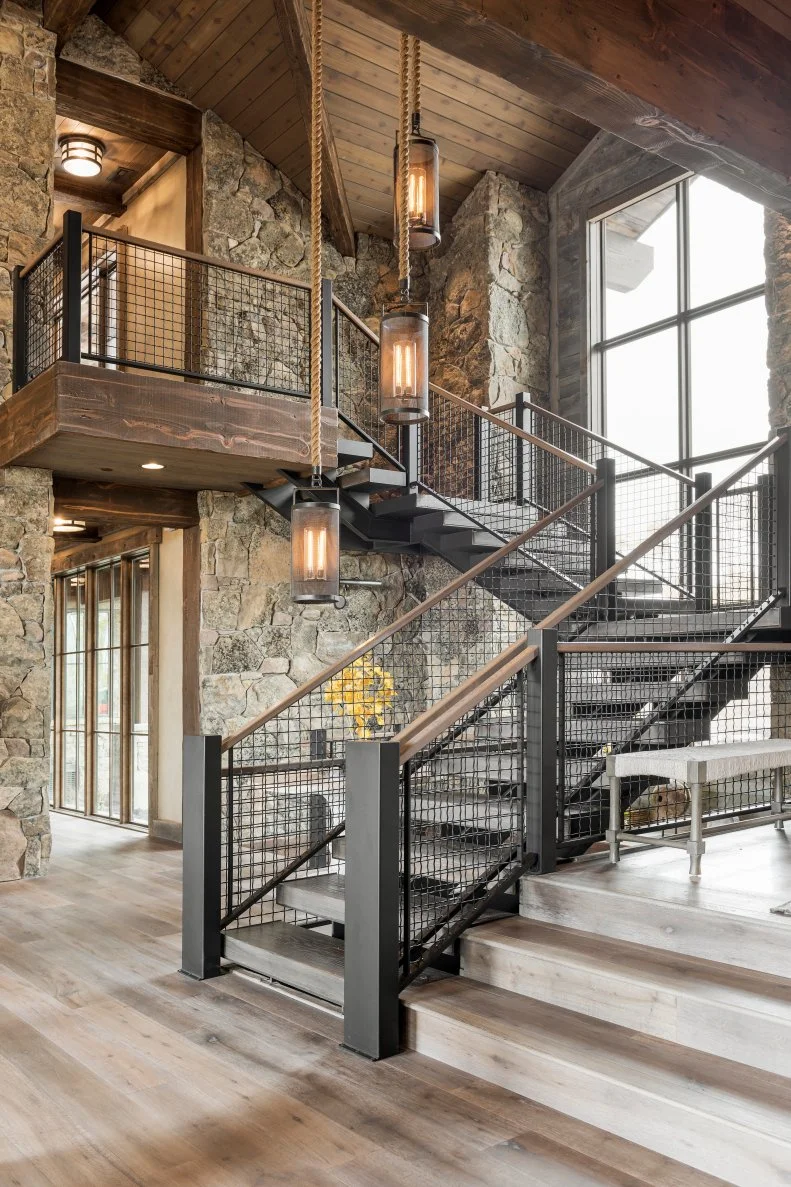
In many U.S. homes, the safest upgrade is a mixed-material rail. A wood handrail with black metal balusters gives contrast without making the stairwell feel cold. It also pairs well with older oak floors, painted trim, and common neutral wall colors found in suburban homes.
Here is where many people misjudge the project. They think the railing must match the floor exactly. It does not. A slightly deeper handrail stain can make old floors look intentional, not mismatched. Matching every wood tone can flatten the room and make newer pieces look fake.
When interior railing design should disappear instead of stand out
Interior railing design does not always need to be the star. In a narrow hallway or compact split-level entry, the best rail may be the one that visually steps back. Slim vertical balusters, simple square posts, and a satin finish can make the staircase feel wider.
Glass panels can help in the right setting, especially where the stair blocks natural light from a nearby window. Yet glass can look too polished beside heavy crown molding, arched openings, or rustic floors. The trick is to use openness without turning the home into a hotel lobby.
Cable railing brings the same warning. It can look clean in a midcentury home or a loft-style remodel, but it may clash with a traditional colonial unless other details support it. A rail should reduce friction in the room. When it creates a style argument, the house usually wins.
Details That Make a New Railing Feel Built-In
The biggest difference between a cheap-looking replacement and a custom-looking one often comes down to small parts. Post size, rail profile, spacing, finish, and wall returns all affect whether the finished stair feels planned or patched.
Why post proportions matter more than expensive finishes
A newel post carries more visual weight than most homeowners expect. If it is too bulky, the stair feels cramped. If it is too thin, the railing looks weak. Older homes need posts that respect the scale of the stair opening, not whatever comes standard in a catalog.
A ranch home from the 1960s may look cleaner with square posts and a flat handrail profile. A Victorian-inspired home may need a softer rail shape, even if the balusters become simpler. The goal is not decoration for its own sake. The goal is fit.
One practical test helps before ordering parts. Tape the rough width of the new post on the floor and wall. Stand at the front door and look toward the stair. If the taped shape feels too heavy from that first view, it will feel heavier once installed.
How spacing, safety, and comfort shape daily use
A railing is not wall art. People grab it while carrying laundry, guiding kids, moving boxes, and walking half-awake at night. The handrail has to feel good, land at the right height, and return safely into the wall where needed.
Building rules vary by city and state, so homeowners should check local requirements before replacing rails or balusters. That step is not red tape. It protects resale, inspections, and daily safety. A beautiful railing that fails spacing rules can become an expensive redo.
The unexpected insight is that code-friendly design often looks better. Proper baluster spacing creates rhythm. A comfortable handrail profile looks more finished. Secure posts make the whole stair feel calmer. Safety does not ruin style when it is designed from the start.
Finishes, Color, and Styling That Complete the Upgrade
A railing replacement can fall flat if the finish ignores the rest of the house. Paint, stain, sheen, and nearby lighting all decide whether the new rail blends, contrasts, or looks unfinished. This is where the final 10 percent of thought can protect the whole budget.
How color choices can modernize without making the stair feel harsh
Black rails are popular because they create clean lines and strong contrast. They also show dust, fingerprints, and poor prep work faster than many homeowners expect. In older homes with soft wall colors, a deep bronze, charcoal, or warm black may feel less severe.
White balusters remain a strong choice when the trim is already white. They brighten dark stairwells and make worn wood treads feel more intentional. Paired with a stained handrail, they offer a classic American look that still reads fresh in homes from many decades.
Natural wood deserves care, not automatic replacement. A honey oak rail may date a 1990s entry, but a sanded and toned finish can rescue the wood. Going slightly muted instead of orange can make the same material feel current without losing warmth.
Why lighting and nearby trim decide the final result
A new railing looks different under a builder-grade dome light than it does under a warm pendant or wall sconce. Light catches the handrail, shadows the balusters, and shows whether the finish has depth. Ignoring lighting is like choosing paint in the dark.
Trim also matters. If baseboards, stair skirts, and door casings look beat-up, a new railing may expose them. That does not mean the project has to grow into a full remodel. It means touch-up paint, caulk, and clean transitions should be part of the plan.
For homeowners planning related projects, this is a natural time to connect the stair upgrade with an entryway lighting update or an interior trim refresh. Those small links make the home feel edited, not pieced together. The rail may be the headline, but the surrounding details write the story.
Conclusion
A staircase can carry an older home into its next chapter without stripping away the character that made the place worth buying. The smartest projects begin with proportion, safety, and respect for the existing architecture before style choices enter the room. That order matters because a railing is both a design feature and a daily touchpoint. You see it, grab it, clean it, and live with it. When staircase railing replacement is planned with the whole entry in mind, the result feels natural instead of forced. Choose materials that fit the house, keep any original detail that still earns its place, and let the finish support the rooms around it. Before ordering parts or hiring an installer, stand at the front door and study what the staircase is already trying to say. Then replace only what keeps it from saying it well.
Frequently Asked Questions
What is the best railing style for an older home?
The best style usually matches the home’s scale before it follows a trend. Slim wood rails, painted balusters, black metal accents, and mixed-material designs can all work. The right choice depends on trim, stair width, ceiling height, and how formal the entry feels.
Can I replace stair railings without changing the whole staircase?
Yes, many homes only need new balusters, a handrail, or updated posts. Keeping existing treads and stair skirts can save money and preserve character. A partial replacement works best when the remaining parts are secure, attractive, and in good condition.
Are black stair railings still a good choice?
Black railings still look strong when the room has enough light and contrast. They work well with white trim, wood floors, and simple wall colors. Softer black, bronze-black, or charcoal may feel better in older homes than a harsh flat black.
How do I make an old staircase look more modern?
Start by reducing visual clutter. Replace dated spindles, refinish the handrail, repair trim gaps, and improve lighting around the stairs. A modern look often comes from cleaner lines and better proportions, not from choosing the boldest material available.
Should stair railings match the flooring?
They do not have to match exactly. A handrail can be slightly darker or cooler than the floor and still look intentional. Exact matching can feel flat, especially when old floors have aged unevenly. Aim for harmony, not a perfect copy.
Is glass railing a good idea for older houses?
Glass can work when the home already has clean lines and the stairwell needs more light. It may feel out of place in homes with heavy traditional trim or rustic finishes. It also needs regular cleaning, so lifestyle matters as much as appearance.
How much does railing replacement affect home value?
A clean, safe, well-designed railing can improve first impressions and make the entry feel better cared for. It may not carry value like a kitchen remodel, but it supports buyer confidence. Loose, dated, or unsafe railings can hurt that first impression fast.
Do I need a professional to replace stair railings?
A professional is the safer choice when posts are loose, the stair is open-sided, or local code details are involved. Skilled DIY work may handle simple baluster swaps. Structural changes, glass panels, and major layout changes deserve experienced installation.