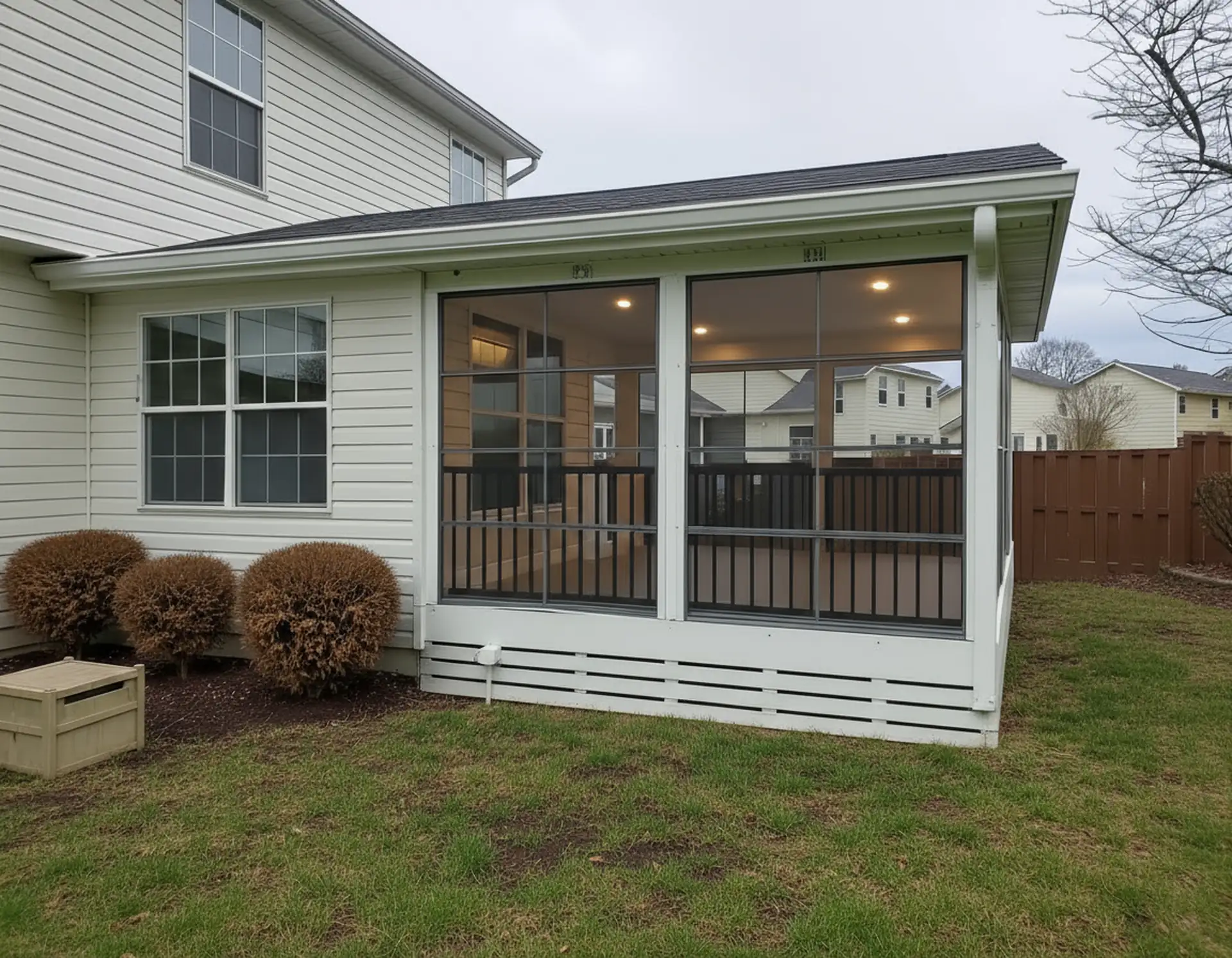
A sunroom can make an ordinary house feel bigger before you add a single square foot to the main floor plan. That is why sunroom addition costs create so much debate for U.S. homeowners: the space feels emotional, but the price has to survive real math. A well-planned sunroom can become the breakfast spot, plant corner, reading room, homework zone, or quiet escape that changes daily life. A poorly planned one can become an expensive glass box that sits too hot in July and too cold in January.
Current U.S. pricing often lands anywhere from about $22,000 to $75,000 for many new sunrooms, while larger or higher-spec builds can climb higher depending on structure, insulation, glazing, site work, and climate needs. That wide spread is the whole story. The value is not hiding in the word “sunroom.” It is hiding in the way the room gets built, permitted, heated, shaded, connected, and used. For homeowners comparing upgrades through smart home improvement planning, the best question is not “Will this add value?” The better question is “What kind of value am I buying, and who will care about it later?”
Why the Price Gap Feels Bigger Than Homeowners Expect
Sunrooms trick people because they look simple from the outside. Glass, framing, a roof, a floor, maybe a ceiling fan. Then the estimate arrives, and the room suddenly looks less like a weekend upgrade and more like a small construction project. That shock comes from one hard truth: a sunroom sits between a porch and a full addition, and the price moves depending on which side of that line your design lands.
Four Season Sunroom Choices Raise the Stakes
A four season sunroom has to act like real living space. That means insulation, windows with better thermal performance, electrical planning, finished flooring, climate control, and a building envelope that does not punish you during heat waves or winter cold. In northern states like Minnesota, Michigan, and New York, this can change the whole budget because comfort is not optional for year-round use.
The counterintuitive part is that the windows are not always the budget villain. Labor, foundation work, framing tie-ins, roofing, and HVAC choices can quietly outweigh the glass package. A homeowner in Ohio may focus on window style while the contractor is looking at frost depth, drainage, roof load, and how the new room meets the existing house.
That is where smart spending begins. Paying more for a room you can use every month may make more sense than saving money on a seasonal room that gets ignored half the year. A sunroom that feels like part of the house has a better chance of feeling valuable to you and later to a buyer.
Three Season Sunroom Budgets Can Still Surprise You
A three season sunroom sounds cheaper because it usually skips the full heating and cooling demands of a year-round space. In many U.S. markets, that can be true. You may avoid some insulation costs, reduce mechanical work, and choose lighter finishes.
The trap is assuming “three season” means “cheap.” Site prep, permits, foundation needs, roof connections, and labor still matter. If the back of your home needs grading, old patio removal, drainage fixes, or structural repairs before the room can go up, the budget can swell before anyone installs the first window.
A practical example makes it clear. A homeowner in North Carolina may build a seasonal sunroom off a flat slab with easy access and mild winters. Another homeowner in Pennsylvania may need foundation work, snow-load planning, and careful flashing under an older roofline. Both call it a three season room. The checks they write do not look the same.
What Sunroom Resale Value Actually Means
Resale value is where homeowners need to slow down. A sunroom may help a house sell faster, photograph better, and feel larger during showings. That does not mean every dollar comes back at closing. Remodeling data keeps proving a blunt point: many home projects return only part of their cost, and lifestyle value often carries the rest.
Sunroom Resale Value Depends on Buyer Belief
Sunroom resale value starts with whether buyers believe the room belongs. A bright, insulated space that flows from the kitchen or family room can feel like a natural extension. A room that sits awkwardly off the back door, with a step down and mismatched materials, can feel like a leftover porch wearing better clothes.
Buyers in different regions also read the same room differently. In Arizona, heat control and shade may matter more than winter comfort. In Maine, a sunroom without good insulation can feel like a seasonal bonus, not living space. In Florida, buyers may care about storm-rated openings, moisture control, and whether the room was permitted.
The biggest mistake is treating resale as a single national number. Value is local. A sunroom overlooking a wooded lot in suburban Atlanta may feel peaceful and useful. The same room facing a neighbor’s vinyl fence six feet away may feel less special, even if both cost the same to build.
Home Addition ROI Is Not the Whole Payoff
Home addition ROI often pushes people into bad thinking. They start asking whether the room will “pay for itself,” as if a home were a vending machine. That mindset works for some exterior projects, but it rarely captures how people live inside a house.
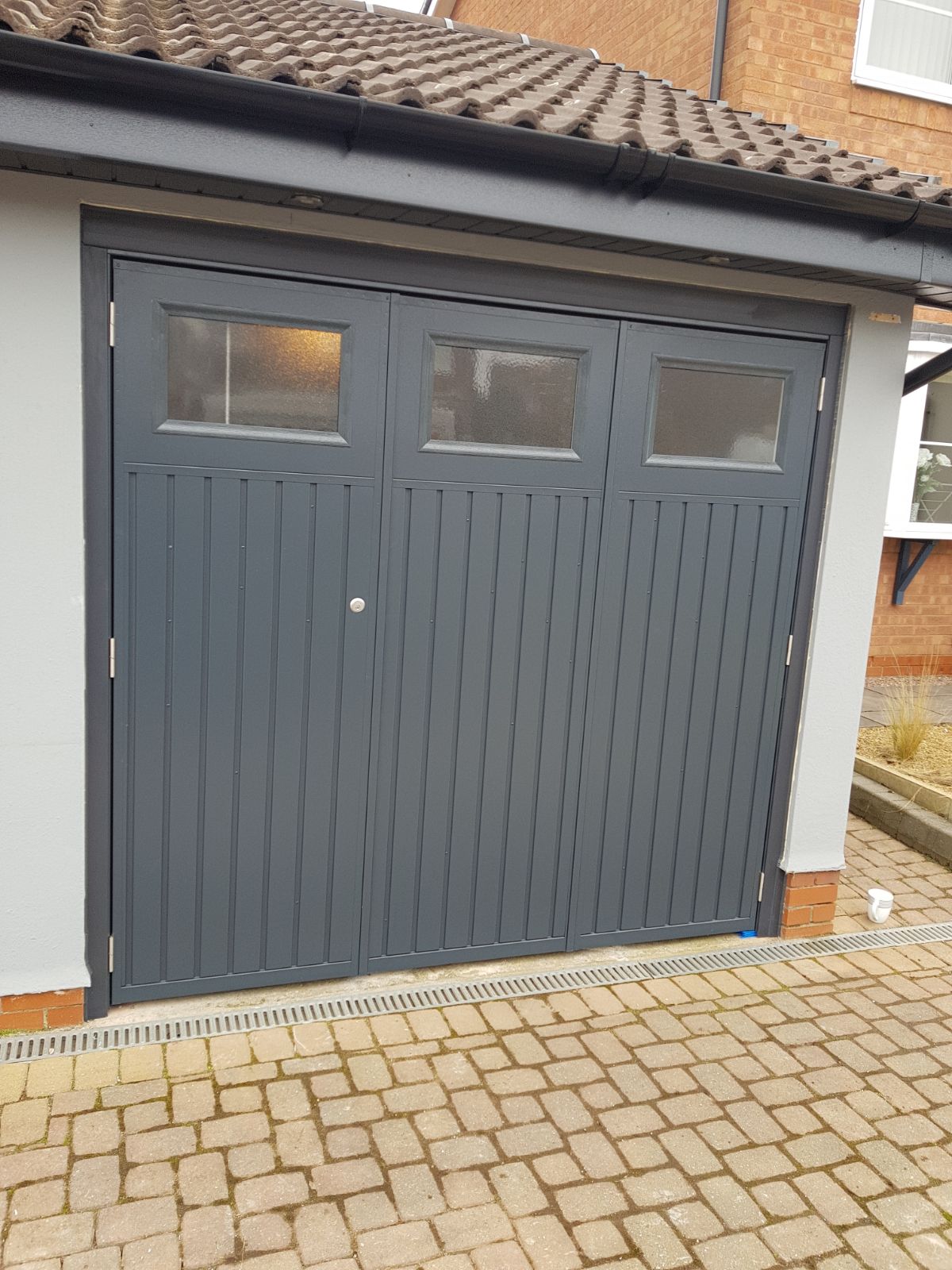
The 2025 Cost vs. Value data shows many high-return projects are exterior replacements, such as garage doors, steel entry doors, stone veneer, and siding. Those upgrades can beat many room additions because they are visible, lower-cost, and easier for buyers to understand at a glance. A sunroom plays a different role. It sells mood, space, light, and lifestyle.
That does not make the investment weak. It makes it personal. A family that uses the room every morning for eight years may get value long before selling. A retiree who turns it into a plant-filled sitting room may measure return in comfort, not appraisal math. The honest answer is this: a sunroom can add real value, but it should not be judged like a front door replacement.
The Design Details That Separate a Smart Build From a Regret
The difference between a loved sunroom and a neglected one usually appears in the boring decisions. Orientation. Roof pitch. Window type. Shade. Flooring. Door placement. These choices do not sound exciting, but they decide whether the room works at 8 a.m., 2 p.m., and during a storm.
Light Without Heat Takes Planning
Sunlight sells the dream, but uncontrolled sun can ruin the room. South-facing glass may feel glorious in winter and punishing in summer. West-facing glass can turn late afternoons into a glare problem, especially in warmer states like Texas, Georgia, and Arizona.
Good design manages light before it becomes heat. That can mean deeper roof overhangs, exterior shades, low-emissivity glass, ceiling fans, operable windows, or landscaping that cools the exposure. The goal is not to block the sun. The goal is to make the light usable.
A homeowner in Denver may love passive warmth on cold mornings. A homeowner in Dallas may need aggressive shade and airflow to keep the room from becoming a greenhouse. Same idea, different climate. This is why a copy-paste sunroom package can miss the mark even when the materials look fine.
Connection to the House Changes Daily Use
A sunroom that connects well gets used. A sunroom that feels detached becomes a storage room with better windows. The doorway matters. The floor height matters. The view from the kitchen matters. Even the path to the coffee maker matters more than people admit.
Think about a family in suburban Chicago adding a room off the dining area. If the opening is wide, the floor feels level, and the finishes echo the main home, the sunroom becomes part of daily movement. If the room sits behind a narrow exterior-style door, it feels like leaving the house to enter another zone.
This is the part buyers feel before they name it. They walk in and sense whether the room has rhythm with the home. A sunroom does not need to mimic the original house perfectly, but it does need to speak the same language. When it does, the value feels natural instead of negotiated.
When the Cost Makes Sense and When It Does Not
A sunroom makes the most sense when it solves a real living problem. More light for a dark house. Better connection to a backyard. A calm sitting area away from the television. A flexible space for plants, guests, reading, crafts, or casual meals. It makes less sense when it exists because a homeowner hopes any extra space will automatically raise the sale price.
The Best Candidates Have a Clear Use
The strongest projects begin with a specific daily use. A couple in Tennessee may want a morning coffee room facing a wooded lot. A family in Oregon may need a rain-friendly hangout that keeps kids near the yard. A homeowner in New Jersey may want a quiet work corner that does not require converting a bedroom.
That clear purpose shapes the budget. A plant room may need durable floors, humidity awareness, and outlets placed for grow lights. A dining sunroom may need better temperature control, stronger lighting, and a smooth path to the kitchen. A reading room may need glare control more than square footage.
This is where homeowners often save money by spending with focus. A smaller room designed around one honest use can beat a larger room stuffed with features nobody needed. Extra square footage is not automatically better. Sometimes it is only more expensive.
The Worst Candidates Are Built for Imaginary Buyers
The weakest sunroom projects chase resale without understanding buyers. A seller may assume every buyer wants a glass room, but buyers are sharp. They notice poor permits. They notice cold floors. They notice fogged glass, cheap trim, and doors that fight the floor. They also notice when the room steals too much yard.
A rushed project can even make a house harder to trust. In many U.S. markets, buyers ask whether additions were permitted and whether square footage counts as heated living area. If the paperwork is messy, the room shifts from “bonus” to “question mark.” That can hurt confidence during inspection and appraisal.
A better move is to build for honest present use while protecting future saleability. Keep records. Match exterior materials where possible. Avoid blocking natural traffic. Do not overbuild far beyond the neighborhood. The room should feel like a smart choice, not a private fantasy the next owner has to inherit.
Conclusion
A sunroom is worth considering when it improves the way your home works, not when it merely gives you another project to price. The room has to earn its place through comfort, connection, climate fit, and daily use. Buyers may reward those choices later, but you should not rely on resale alone to carry the decision.
The smartest path is to compare sunroom addition costs against three kinds of return: how often you will use the room, how well it fits your market, and how cleanly it attaches to the existing house. That mix tells the truth faster than any broad promise about value.
Before signing a contract, ask for clear drawings, permit details, material specs, HVAC plans, drainage notes, and warranty terms. Then walk through your own day and picture how the room will be used in July, January, and on an ordinary Tuesday. If the room still makes sense after that, the value is probably real. Build the space you will live in, not the one you hope a future buyer will rescue.
Frequently Asked Questions
How much does a sunroom usually cost in the United States?
Many U.S. sunrooms fall between about $22,000 and $75,000, but custom builds can cost more. Size, foundation work, glass type, insulation, roof design, permits, and climate control drive the final number more than the word “sunroom” itself.
Does a sunroom add value to a home before selling?
A well-built sunroom can help a home feel larger, brighter, and more appealing during showings. The resale impact depends on local buyer demand, permits, comfort, layout, and whether the room feels like part of the home rather than an afterthought.
Is a four season sunroom better than a three season room?
A year-round room gives more daily use, especially in colder states, but it costs more because it needs better insulation and climate planning. A seasonal room can make sense in mild climates or when the homeowner wants a lower-cost space for fair-weather use.
What is the biggest hidden cost in a sunroom project?
Foundation and site work often surprise homeowners. Drainage fixes, grading, slab removal, structural tie-ins, roof changes, and permit requirements can add thousands before finishes begin. A detailed contractor visit matters more than a rough online estimate.
Can a sunroom count as living space in an appraisal?
It may count only when it meets local standards for finished, heated, permitted living area. Rules vary by market, so homeowners should ask the local building department, appraiser, or real estate professional before assuming the square footage will be counted.
Is a prefab sunroom cheaper than a custom sunroom?
Prefab options often cost less than custom builds, but installation, foundation, permits, delivery, electrical work, and site prep still affect the total. They work best when the home layout is simple and the homeowner accepts fewer design changes.
What kind of sunroom has the best resale appeal?
Buyers respond well to rooms that feel comfortable, permitted, bright, and connected to the main living area. Neutral finishes, good temperature control, durable flooring, and a pleasant view usually matter more than fancy details that only fit one owner’s taste.
Should I build a sunroom if I plan to sell soon?
A sunroom is rarely the best short-term resale project if profit is the main goal. Smaller visible upgrades may return money faster. Build one before selling only if it fixes a clear weakness, fits the neighborhood, and can be completed with clean permits.