

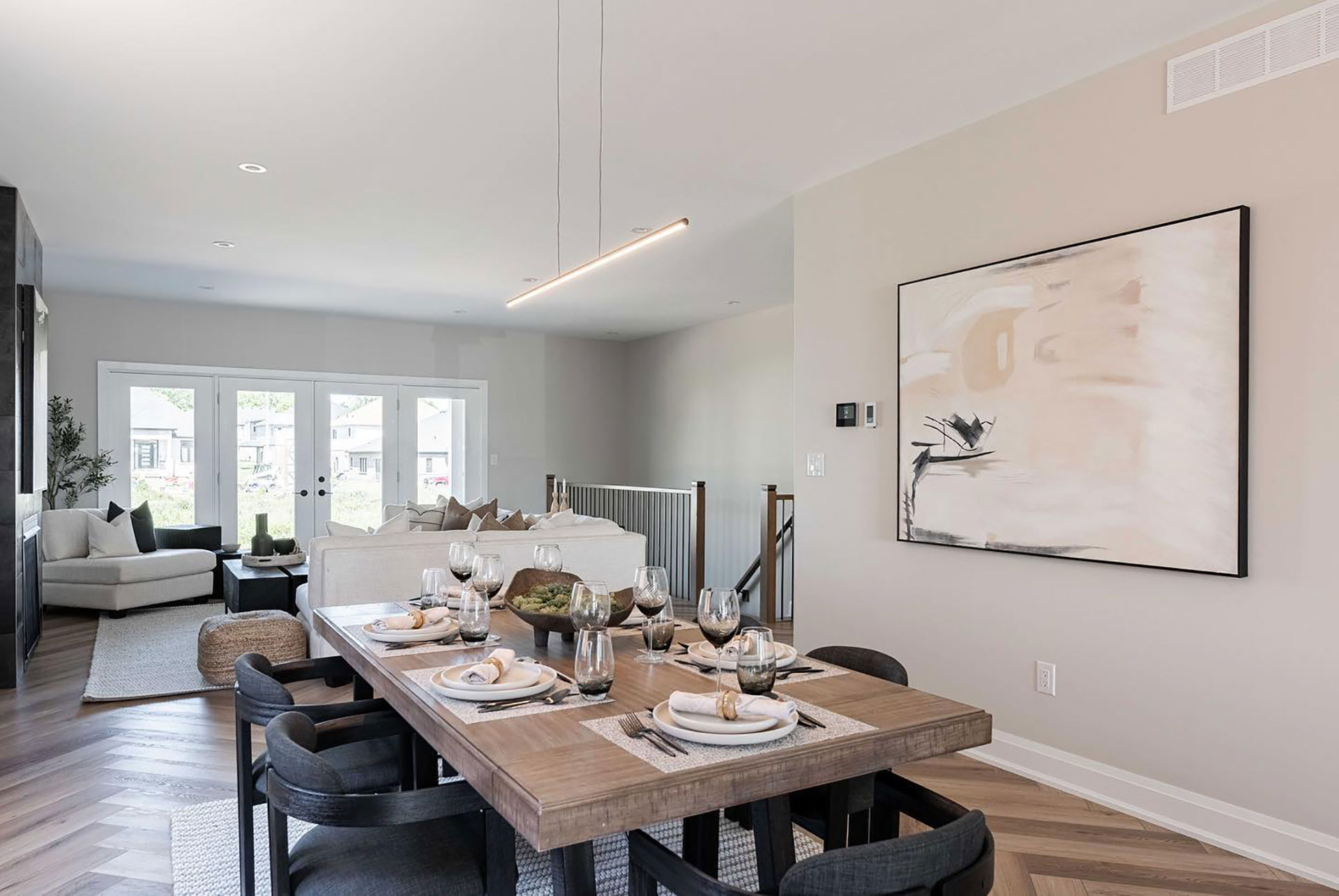
Choosing a home is one of the most important decisions a family makes. The right property should provide comfortable living spaces, practical features, a suitable location, and enough flexibility to accommodate changing household requirements. Families must also consider affordability, construction quality, neighborhood facilities, and long-term ownership expenses.
Newly constructed speculative properties offer one possible solution for households looking for modern residential spaces without organizing a custom building project. These houses are developed by builders before a specific buyer is secured. The builder selects the location, floor plan, materials, and finishes according to anticipated market demand.
Although this approach can simplify the purchasing process, families should carefully evaluate their requirements before selecting a property. A house that looks attractive during a viewing may not necessarily provide the space, convenience, or functionality needed for everyday family life.
Understand Your Family’s Housing Requirements
The first step is identifying what your family actually needs from a home.
Household size, children’s ages, professional responsibilities, hobbies, and daily routines can all influence the ideal property layout.
A family with young children may prioritize bedrooms located near one another, sufficient storage, safe outdoor areas, and convenient access to schools. Households with teenagers may prefer separate bedrooms and additional private living spaces.
Families working from home may need a dedicated office or a flexible room that can accommodate professional activities.
It is helpful to separate essential requirements from optional features. The number of bedrooms, bathrooms, parking spaces, and basic living areas may be essential, while decorative upgrades and luxury finishes may be less important.
This approach makes it easier to compare available properties without becoming distracted by attractive but unnecessary features.
Choose a Suitable Location
Location can influence family convenience, daily expenses, and future property value.
Before purchasing, examine the distance to schools, childcare facilities, healthcare providers, supermarkets, workplaces, and recreational areas.
Transportation is another important factor. Families should consider commuting times, road conditions, parking availability, and access to public transportation.
It is also useful to explore the neighborhood on foot. Parks, playgrounds, sidewalks, community facilities, and nearby shopping areas may improve everyday convenience.
Parents should pay attention to traffic conditions and pedestrian safety, especially if children will regularly walk or cycle around the neighborhood.
Visiting the area at different times can help reveal noise levels, traffic congestion, and general neighborhood activity.
Evaluate the Floor Plan
A practical floor plan is essential for comfortable family living.
Families should examine how rooms connect and whether the arrangement supports their everyday activities. Living rooms should provide enough space for household members to relax together, while bedrooms should offer appropriate privacy.
Kitchen and dining arrangements deserve particular attention because these spaces often support daily family activities.
Storage is another important consideration. Closets, kitchen cabinets, utility areas, and additional storage spaces can help keep the home organized.
Buyers should also consider how the layout may work in the future. Young children eventually become teenagers, and household requirements may change over time.
A flexible floor plan can help families adapt without needing major renovations.
Select the Right Number of Bedrooms and Bathrooms
The number of bedrooms should reflect both current and future household requirements.
A family with two children may prefer separate bedrooms, while a household that regularly hosts relatives may need an additional guest room.
Some families also require a dedicated workspace or study area. A spare bedroom that can serve multiple purposes may provide greater flexibility.
Bathroom availability is equally important. A single bathroom may become inconvenient for a larger household, especially during busy mornings.
Families should consider the number of occupants, daily routines, and the property’s overall layout when evaluating bathroom arrangements.
They should also inspect ventilation, water pressure, plumbing fixtures, and available storage.
Examine Construction Quality
A newly built property should still undergo a thorough quality assessment.
Buyers should inspect the foundation, roof, exterior walls, windows, doors, flooring, and visible finishes.
The plumbing and electrical systems deserve particular attention because problems in these areas can create expensive repairs or safety concerns.
Water drainage should also be examined. Poor drainage around the property may contribute to water intrusion, foundation concerns, and damage to exterior areas.
Hiring an independent professional home inspector is a practical way to identify issues that may not be obvious during a normal viewing.
Families should request a written report and ask the builder to address significant defects before completing the purchase.
Consider Energy Efficiency and Indoor Comfort
Energy efficiency can influence both household expenses and everyday comfort.
Families should examine insulation, windows, ventilation, heating and cooling systems, and the general quality of the building envelope.
Proper insulation and efficient windows can help maintain comfortable indoor temperatures. Modern heating and cooling equipment may also improve temperature control.
Natural lighting is another useful consideration. Well-positioned windows can make rooms feel brighter and reduce the need for artificial lighting during daylight hours.
Water-efficient fixtures may help reduce unnecessary water consumption.
Families should ask for available energy specifications and verify that advertised efficiency features are actually included in the property.
Evaluate Outdoor Space and Parking
Outdoor areas can add practical value to a family home.
A yard or patio may provide space for children’s activities, gardening, family gatherings, and relaxation.
However, families should consider how much maintenance the outdoor area will require. Large gardens may need regular landscaping, while smaller outdoor spaces may be easier to manage.
Parking is another important issue. Households with multiple vehicles should determine whether the available parking arrangements are sufficient.
They should also examine driveway access, garage dimensions, street parking rules, and the safety of entering or leaving the property.
Compare the Purchase Price With Your Budget
Affordability should remain a priority throughout the property selection process.
Families should establish a realistic budget based on household income, existing financial obligations, available savings, and expected future expenses.
The purchase price is only one component of the total financial commitment. Mortgage payments, property taxes, insurance, closing costs, utility expenses, and maintenance should also be considered.
It is important to leave sufficient room in the budget for emergencies and other family responsibilities.
Buyers should compare similar properties in the same area to determine whether the asking price reflects local market conditions.
A more expensive house is not necessarily the better choice if it includes features the family does not need.
Understand the Builder’s Experience and Reputation
The builder’s reliability can influence construction quality, warranty support, and the overall buying experience.
Families should research the company and examine its previous projects.
Customer reviews, references, completed developments, and professional experience can provide useful information.
It is also important to understand how the builder handles construction defects and warranty requests.
Before signing a purchase agreement, buyers should request relevant construction documents, inspection records, and warranty information.
The financial side of residential development is worth understanding as well. Builderfinance.com offers information about construction financing and the development process. Its guide to spec homes explains how builders approach these properties and how they differ from other residential options.
Review Warranties and Legal Documents
Families should carefully review the purchase agreement and all supporting documents before committing.
The agreement should clearly identify the property, purchase price, payment schedule, closing conditions, included features, and responsibilities of each party.
Buyers should verify that the necessary permits and approvals are in place and that the property can legally be occupied.
Warranty documents should also be examined. They may cover certain workmanship issues, structural components, or building systems for specified periods.
Families should understand how warranty claims are submitted, which defects are excluded, and whether particular maintenance responsibilities apply.
Independent legal advice can help clarify complicated contractual conditions.
Think About Future Family Changes
A home should support more than the family’s immediate requirements.
Children may need additional study space as they grow older. Parents may eventually work from home more frequently, or relatives may require temporary accommodation.
Families should consider whether the property can adapt to these changes without extensive renovations.
Flexible rooms, sufficient storage, practical bathroom arrangements, and convenient access between living areas can improve long-term usability.
Accessibility may also become more important as family members age. Properties with manageable stairs, convenient entrances, and practical bathroom layouts may offer additional flexibility.
Visit the Property More Than Once
A single viewing may not reveal every important detail.
Families should consider visiting the property more than once and, if possible, at different times of the day.
During each visit, they can evaluate lighting, noise, parking, neighborhood activity, room sizes, and access to nearby facilities.
It may also be helpful to bring family members who will live in the property. Different household members may notice practical concerns that others overlook.
Taking measurements of furniture and important household items can also help determine whether rooms will accommodate existing belongings.
Conclusion
Choosing the right newly constructed property requires a balance between family requirements, affordability, location, and construction quality. Families should begin by identifying their essential needs and then compare available properties according to floor plans, bedrooms, bathrooms, storage, outdoor areas, and neighborhood facilities.
They should also investigate the builder’s reputation, arrange an independent inspection, review legal documents, and understand all ongoing ownership expenses.
A well-selected property should provide comfortable living conditions today while remaining practical as family requirements change. By evaluating these factors carefully, families can make a more confident purchasing decision and choose a home that supports their long-term lifestyle goals.
I’ll write Articles 8–14 individually, each targeting the topic spec homes and containing 1,000+ words. I’ll use the anchor text “builder construction loans” linked to https://www.builderfinance.com and mention the brand builderfinance.com naturally in every article.