

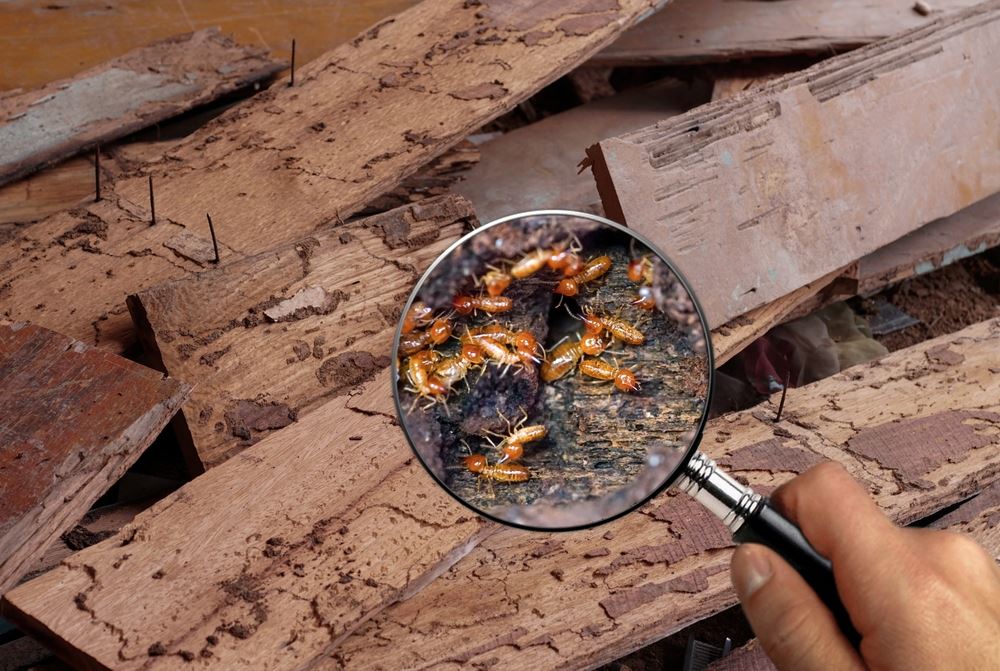
Termites, known locally as Al Rimmah, are among the most common structural pests in the Gulf region. They feed on cellulose, the main component of wood, paper and cardboard, and they usually work out of sight. By the time damage is obvious, an infestation may already have been active for months. For homeowners and property managers in Dubai, Sharjah and Ajman, knowing the early warning signs can help limit repair costs and protect doors, skirting, cabinetry, false ceilings and other timber fittings.
This guide explains how to spot termite activity, how to tell termites apart from ants, what professional treatment involves, and which everyday habits make a property less attractive to termites.
Why Termites Are a Concern in UAE Homes
The UAE’s warm climate allows termites to stay active for much of the year. Although the weather is dry, many homes still provide the moisture termites look for: air-conditioning condensate lines, leaking pipes, irrigation close to foundations, damp bathrooms and kitchens, and poorly drained planters. Villas with gardens, wooden pergolas and built-in joinery, as well as apartments with timber doors and frames, can all be affected.
Subterranean termites, the group most associated with structural damage, live in colonies in the soil and travel to food sources through protected tunnels. Because they avoid open air and light, they can move behind walls and under floors without being seen.
Common Warning Signs of Termite Activity
No single sign proves an infestation, but several together are a strong reason to call a professional. Look for the following:
- Mud tubes. Thin, pencil-width tunnels of soil and debris running up foundation walls, pillars, door frames or along skirting. Termites build them to stay moist and protected while they travel.
- Discarded wings. Winged reproductive termites (swarmers) leave their colony to start new ones, then shed their wings. Small piles of translucent wings near windowsills, light fittings or door thresholds are a common early clue.
- Damaged or blistering wood. Timber that looks layered, crumbly or honeycombed inside, or paint and wallpaper that bubbles or peels for no clear reason, can indicate feeding behind the surface.
- Hollow-sounding timber. Termites often eat wood from the inside out and leave a thin outer layer. Tapping a suspect door frame, skirting board or wooden panel may produce a dull, papery or hollow sound.
- Frass or soil traces. Fine, pellet-like droppings or small deposits of soil near wooden items may point to nearby activity.
- Sticking doors and windows. Frames that suddenly become tight or hard to close can be caused by moisture and distortion linked to termite activity, although other causes are possible.
Avoid disturbing suspected tunnels or damaged timber more than necessary. Breaking them open can make termites relocate within the structure, which may complicate the inspection.
Termites vs. Ants: How to Tell the Difference
Flying termites and flying ants look alike at a glance, and the confusion often delays action. A close look at a few features helps:
- Waist: termites have a thick, broad waist; ants have a clearly pinched, narrow waist.
- Antennae: termite antennae are fairly straight and beaded; ant antennae are elbowed.
- Wings: termites have two pairs of wings of roughly equal length; in ants the front wings are longer than the back wings.
If you cannot tell them apart, collect a sample in a sealed container or take a clear close-up photo and share it with a qualified pest control provider.
When to Call a Professional Inspection
Arrange an inspection if you find mud tubes, clusters of shed wings indoors, or damaged or hollow-sounding timber, or if you have had recurring moisture problems. An inspection is also sensible before buying, renting out or renovating a property, and as part of routine maintenance in older buildings or villas with extensive timber and landscaping.
A trained inspector can confirm whether termites are present, identify the likely species and entry points, check moisture conditions, and assess how far the activity has spread. This assessment matters because the right treatment depends on what is actually happening in your building.
Professional Termite Treatment Options
There is no single treatment that suits every property. The method, or combination of methods, depends on the type and extent of the infestation, the construction of the building, the soil and landscaping around it, and whether the property is occupied. The main approaches used by professionals include:
Baiting systems
Bait stations are placed in the ground around a property or at points of activity. Termites feed on the bait and share it with the colony, which is intended to reduce the population over time. Baiting is often chosen where perimeter soil treatment is difficult or where a lower-disturbance approach is preferred. It typically requires monitoring and follow-up visits.
Soil treatments
A professionally applied liquid termiticide can create a treated zone in the soil around and beneath a structure, intended to block or control termites that try to move between the soil and the building. Application depends on foundation type, access and site conditions, and must be carried out by trained technicians using products approved for use.
Targeted wood treatments
Where activity is limited to specific timber elements, such as a door frame, skirting or built-in cupboard, a technician may apply localized treatment directly to the affected or at-risk wood. Severely damaged timber may need repair or replacement in addition to treatment.
Treatment should always follow a professional assessment. Pesticide products and methods vary in safety and suitability, and incorrect mixing, application or injection can put occupants, pets and the building at risk without solving the problem. For this reason, this article does not provide do-it-yourself pesticide mixing or injection instructions.
Providers such as Pure Clean offer termite treatment and pest control services in the UAE, including inspection and treatment planning tailored to the property. Whichever company you choose, ask for a written inspection report, an explanation of the proposed method, and details of follow-up visits.
Practical Ways to Prevent Termites
No prevention measure can guarantee a property will never be affected, but good habits reduce the conditions that attract termites:
- Fix leaks quickly. Repair dripping pipes, taps, AC condensate lines and bathroom or kitchen leaks as soon as they are noticed.
- Reduce moisture. Keep drainage clear, ventilate damp areas, and direct irrigation and AC drainage away from walls and foundations.
- Avoid wood-to-soil contact. Keep timber posts, pergolas, planter boxes and fencing from sitting directly in the ground where possible, and use suitable barriers or treated materials.
- Store items sensibly. Keep firewood, cardboard, books and stored paper off the ground and away from exterior walls, especially in garages and storerooms.
- Maintain landscaping. Keep mulch, dense planting and soil levels from covering the base of walls and hiding early signs of activity.
- Inspect regularly. Check doors, skirting, window frames and cupboards for signs listed above, and arrange periodic professional inspections, particularly for older buildings and properties with large gardens.
A Note for Property Managers
For building and portfolio managers in Dubai, Sharjah and Ajman, a documented inspection schedule is useful. Keep records of inspections, treatments, leak repairs and tenant reports, and ask pest control providers for clear reports after each visit. Early reporting by tenants usually makes treatment simpler and less costly.
Final Thoughts
Al Rimmah can cause serious damage quietly, but early detection and sound moisture management go a long way. If you notice mud tubes, discarded wings or hollow-sounding timber, avoid DIY chemical treatments and arrange a professional assessment first. A qualified provider such as Pure Clean can inspect your property, explain the options and recommend a suitable treatment plan based on your building’s conditions.