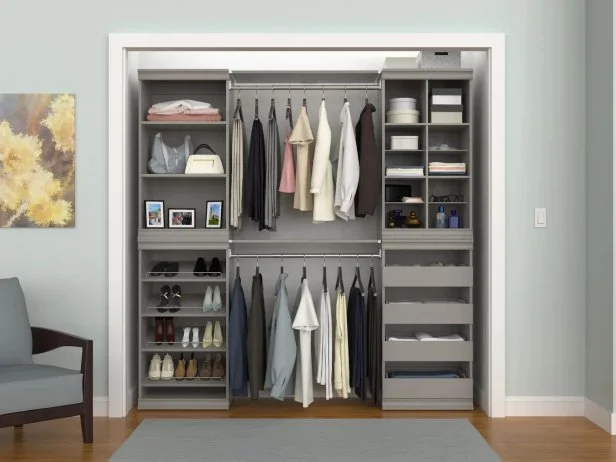
A master closet can look expensive on day one and still become a daily headache by month six. The difference usually comes down to how honestly the design handles weight, habits, seasons, and the little messes real people make. Good closet shelving systems do more than hold folded sweaters; they protect morning routines from turning into small arguments with your own stuff. In many U.S. homes, especially newer builds with generous bedrooms and oddly basic closets, the builder-grade rod-and-shelf setup wastes the best wall space. A smarter layout treats the closet like a working room, not a hiding place. That means planning around shoes, laundry gaps, luggage, jewelry, work clothes, weekend clothes, and the items you keep because life changes. Homeowners comparing storage upgrades through smart home improvement planning often learn the same lesson fast: the best closet is not the prettiest one in photos. It is the one that still feels calm after three winters, two vacations, and a rushed Monday morning.
What Makes Closet Shelving Systems Last Beyond the First Year
Long-term closet value starts with a boring truth: the shelf has to survive the way you live, not the way you clean before guests arrive. A system that looks open and airy can fail fast if it cannot handle jeans, boots, handbags, storage bins, and a spouse who stacks towels like a falling tower.
Adjustable Closet Shelving Protects You From Future Regret
Adjustable closet shelving is often the safest choice because your closet needs will shift. One year you may need more hanging space for office clothing. The next year, remote work changes that balance and folded storage matters more. Fixed shelves can look neat, but they punish you when your routine changes.
A strong adjustable setup uses metal standards, solid pins, or reliable bracket systems that do not sag under real weight. The cheap version feels fine until sweaters bow the middle shelf or shoe stacks start sliding. That is when the “deal” becomes a repair project.
The counterintuitive part is that flexibility often looks less custom at first. Still, the shelf you can move is often more valuable than the shelf that photographs perfectly. A closet should age with you, not freeze your life in one design decision.
Wood Closet Organizers Need Strong Bones First
Wood closet organizers can bring warmth and a built-in look that wire shelves never match. They also hide mistakes better because a clean face frame can make weak material look premium. That is why the construction matters more than the finish.
For long-term use, plywood or high-grade engineered panels usually perform better than thin particleboard in damp or overloaded spaces. In states with humid summers, like Florida, Georgia, and parts of Texas, poor material choices can swell around edges or soften near walls that trap moisture.
A good installer thinks about anchoring before appearance. Stud placement, wall condition, shelf span, and drawer weight all shape the final result. Pretty panels matter, but the closet stays useful because the hidden supports were taken seriously.
Designing Zones That Match How You Actually Get Dressed
A master closet should not make every item compete for the same kind of space. Shirts, coats, shoes, accessories, laundry, and seasonal storage all behave differently. When one design treats them alike, the closet starts fighting you every morning.
Walk-In Closet Storage Works Best When It Has Traffic Rules
Walk-in closet storage should feel easy to move through, even when both sides are full. Many homeowners chase more shelves and forget the walkway. Then the closet looks packed with features but feels tight when two people use it at the same time.
A practical U.S. example is the suburban walk-in with hanging rods on both long walls and shelves at the back. That layout often fails because the back wall becomes a dead zone. A smarter approach puts daily-use items at arm level, shoes where you can see pairs, and seasonal bins higher up.
The unexpected insight is that empty space has a job. A little breathing room near the entrance helps you sort laundry, pack a suitcase, or set down dry cleaning. A closet with no open surface may seem efficient, but it steals convenience from the person using it.
Custom Closet Shelves Should Follow Real Clothing Behavior
Custom closet shelves work best when they respect how clothing acts after a normal week. T-shirts compress. Sweaters spread. Jeans get heavy. Handbags need height. Shoes collect dust if they sit too low or too deep.
A shelf for folded shirts does not need the same depth as a shelf for blankets. Deep shelves often create hidden piles in the back, and hidden piles become forgotten purchases. Shallow shelves can be better because they force visibility.
Strong design admits that people repeat easy habits. Place daily items between waist and eye level, and you will keep the system cleaner without trying harder. Put them too high or too low, and the closet slowly returns to chaos.
Materials, Hardware, and Details That Separate Good From Costly
The best closet upgrades rarely shout. They feel solid when a drawer closes, stay level after heavy use, and keep small items from turning into clutter. Material choice matters, but hardware and detail work decide whether the system feels finished five years later.
Drawer Slides and Hinges Carry More Weight Than Style
Drawers are where many closet systems reveal their quality. A beautiful drawer face means little if the slide sticks, rattles, or bends under belts, watches, socks, and folded workout clothes. Soft-close hardware is pleasant, but load rating matters more.
Full-extension slides give you access to the back of the drawer, which reduces the black-hole effect. Half-extension drawers look fine in a showroom but waste space because the rear section becomes hard to reach. That small frustration repeats every week.
A good closet designer will ask what goes inside the drawers before choosing drawer sizes. Jewelry, sunglasses, undergarments, ties, and tech accessories all need different depths. Storage fails when every drawer gets built like it will hold the same life.
Lighting Turns Storage Into Daily Usability
Lighting is not decoration in a master closet. It is function. Poor lighting makes black, navy, and charcoal clothing look the same at 7 a.m., and that small problem adds friction before the day starts.
LED strip lighting under shelves, motion lighting near drawers, and bright overhead fixtures can change how useful the closet feels. The National Kitchen & Bath Association often stresses planning around function and user experience in storage-heavy spaces, and closets deserve the same seriousness as kitchens or baths.
The surprise is that lighting can reduce clutter. When you can see every shelf clearly, you stop overbuying duplicates and stop losing items in corners. Visibility is a form of discipline, and it works better than another storage bin.
Choosing an Installation Approach That Fits the Home
A closet system should match the house, budget, and skill level of the installer. A luxury built-in does not belong in every home, and a cheap kit does not belong in every master suite. The right choice sits where durability, cost, and daily use meet.
Modular Systems Make Sense for Growing Households
Modular systems are practical for families who expect change. A couple buying their first home in Ohio may not need the same setup after a baby arrives, a job changes, or one partner starts traveling more. Modular parts give the closet room to adapt.
Many modular units now offer solid shelves, drawers, towers, and double-hang sections that look clean without a full custom price. The weak point is usually installation. If the rails are not level or anchored correctly, the whole system feels cheaper than it is.
This is where patience saves money. Measure twice, check studs, read the load ratings, and leave room for future parts. A modular closet should feel like a plan with options, not a stack of boxes attached to drywall.
Built-In Systems Pay Off When the Layout Is Awkward
Built-in systems shine in closets with sloped ceilings, odd corners, narrow returns, or high-value homes where finish quality affects resale appeal. In older U.S. houses, especially remodeled colonials, ranch homes, and townhomes, the closet walls may not be square. A standard kit can leave gaps that make the upgrade feel unfinished.
Custom work can solve those problems by fitting shelves to the room instead of forcing the room to accept standard parts. It also lets you add details like toe kicks, crown trim, hidden hampers, valet rods, and dedicated luggage zones.
The honest catch is cost. Built-ins only pay off when the design solves real problems, not when it copies a showroom wall. Spend money where the room is difficult, the storage load is heavy, or the finish needs to match the home’s value.
Conclusion
A master closet earns its keep in small moments. It helps you leave the house faster, find what you own, protect better clothing, and keep clutter from spilling into the bedroom. That daily value is why closet shelving systems deserve more thought than a weekend impulse buy. The strongest designs start with weight, access, light, and habit before they move toward color and trim. Style still matters, but style without structure becomes expensive decoration. Measure the closet, list what you store, and choose materials that match the way your household lives. Then decide where flexibility matters and where a permanent built-in will solve a problem for years. Start with the section that annoys you most, because that frustration is usually telling you exactly where the design has failed.
Frequently Asked Questions
What is the best material for long-lasting master closet shelves?
Plywood, quality engineered wood, and well-finished solid wood are strong choices for long-term closet shelves. Thin particleboard costs less, but it can sag under heavy stacks. For humid homes, sealed edges and solid support matter as much as the material itself.
Are adjustable closet shelves better than fixed shelves?
Adjustable shelves are better for homeowners whose storage needs may change over time. Fixed shelves can look cleaner, but they limit future changes. A strong adjustable system gives you more control as clothing, shoes, and household needs shift.
How deep should master closet shelves be?
Most folded clothing shelves work well at 12 to 16 inches deep. Deeper shelves can hide items in the back and create messy stacks. Shoes, bags, and bulky bedding may need more depth, but daily clothing usually benefits from easier visibility.
Do custom closet shelves increase home value?
Custom closet shelves can support resale value when they improve function and match the home’s quality level. Buyers often notice organized primary closets. The upgrade works best when it looks permanent, feels sturdy, and solves storage problems without making the room feel cramped.
What is the best layout for walk-in closet storage?
The best layout keeps daily items between waist and eye level, places shoes where pairs stay visible, and reserves high shelves for seasonal storage. Walkway space matters too. A crowded walk-in closet can feel less useful than a smaller, better-planned one.
Should master closets have drawers or open shelves?
A strong closet usually needs both. Drawers hide smaller items like socks, accessories, and undergarments. Open shelves work better for sweaters, jeans, shoes, and bags. Too many drawers can make the closet feel closed off, while too many shelves can look messy.
How much weight can closet shelving hold?
Weight capacity depends on material, shelf span, brackets, anchors, and wall structure. A short shelf anchored into studs can hold much more than a long shelf attached only to drywall. Always check manufacturer ratings and avoid overloading wide unsupported shelves.
Is professional closet installation worth it?
Professional installation is worth it when the closet has odd walls, heavy storage needs, drawers, lighting, or built-in trim. DIY systems can work well in simple spaces. The main risk is poor anchoring, because even expensive parts fail when installed badly.