A tired deck does not fail all at once. It usually starts with one soft edge, one raised splinter, one board that feels wrong under your foot. Deck board replacement becomes the smarter move when damage stays in the surface boards instead of spreading into joists, beams, or posts. Across the USA, weather is rarely gentle on outdoor wood, from wet Pacific Northwest winters to hot Southern sun and freeze-thaw cycles in the Midwest. A board that looked “fine enough” in April can feel spongy by August. Homeowners who care about long-term property value often treat outdoor repairs the same way they treat visibility for a local brand: small fixes done early protect the bigger structure, much like trusted online reputation work protects a business before problems grow. The real trick is knowing when a board needs replacing, when it needs sanding, and when the deck is quietly asking for deeper repair.
Deck Board Replacement Starts With Reading the Damage
Surface damage can lie to you. A gray board may be sound, while a board with decent color can hide rot around a fastener hole. The first job is not buying lumber. It is learning the difference between worn wood and wood that has lost its strength.
How rotting deck boards reveal deeper moisture trouble
Rot usually begins where water sits longer than it should. End cuts, screw holes, shaded corners, and boards near planters often fail first because moisture has fewer chances to dry. If you press a screwdriver into the wood and it sinks with little force, the board is no longer doing its job.
Rotting deck boards also tell you something about airflow. A deck close to the ground in humid states like Georgia, Florida, or Louisiana may trap damp air under the boards. That trapped moisture feeds decay from the underside, where homeowners rarely look. The top can appear passable while the bottom has already started to crumble.
One counterintuitive sign is a board that looks cleaner than the rest. Sometimes algae, mildew, and dark staining make damage obvious. Other times, a newer-looking patch near a doorway or hose bib means water has washed the surface often enough to keep it damp. Pretty wood can still be weak wood.
When splintering deck wood becomes a safety issue
Splinters are easy to dismiss because they feel cosmetic at first. A small raised grain near a chair leg seems harmless until bare feet, pets, or kids meet it on a warm weekend. Splintering deck wood becomes a safety issue when the surface starts lifting in strips, not tiny hairs.
Older pine boards often splinter after years of sun exposure. The surface dries, cracks, and separates from the denser grain below. In Arizona or Texas, sunlight can bake the top of a deck while the underside holds enough moisture to move differently. That tension makes boards cup, split, and catch skin.
Sanding can help when the wood is still solid. Replacement makes more sense when cracks run through the board, fasteners no longer hold tight, or the edges break away under light pressure. A smooth surface means little if the board beneath it has lost its grip.
Choosing New Boards That Match the Deck and the Climate
Once damage is clear, the next mistake is buying the first board that fits the gap. A deck is not a bookshelf. It expands, shrinks, drains, heats up, and takes daily abuse from weather and foot traffic. Your replacement board has to live with the old deck, not fight it.
Why pressure treated decking still needs careful selection
Pressure treated decking remains common across American homes because it handles outdoor exposure at a reasonable price. Still, not every board in the pile belongs on your deck. Some boards arrive too wet, too twisted, or too full of knots near the edge.
A good replacement board should be straight, firm, and close in thickness to the boards already installed. If the old deck has 5/4 boards, a standard 2x board may sit too high and create a trip edge. That small height difference gets annoying fast, especially near stairs or patio doors.
Pressure treated decking also changes as it dries. A wet board installed tight against an old dry board may shrink later and leave a wider gap than expected. That is why patient selection matters. The best board is not always the prettiest one. It is the one that will settle into the deck without causing new problems.
Matching board width, grain, and fastener style
Deck boards age as a group. When one board gets replaced, it can stand out like a new patch on old jeans. That is not always bad, but it bothers many homeowners after the repair is done. Matching width, grain pattern, and fastener layout helps the new board blend over time.
Fastener style deserves more attention than it gets. If the old deck uses face screws, the new board should follow the same rhythm unless you are changing a larger section. Hidden fasteners can look clean, but mixing them into one isolated board may draw attention instead of hiding the repair.
A real-world example is a cedar deck in Colorado that has faded to a soft silver. A fresh cedar board will look warmer at first. That difference fades after sun exposure, but only if the board species and finish behavior match. Wrong species, wrong grain, wrong fasteners. Suddenly one repair looks like a mistake.
Removing Damaged Boards Without Hurting the Frame
Bad removal creates extra repair. Many homeowners start with force because the board is already damaged, but the joists below may still be sound. Protecting those framing members matters more than saving a board headed for the trash.
Pulling fasteners without tearing joist tops
Old screws rarely come out politely. Some strip, some snap, and some hide under dirt or old stain. Ripping the board upward can tear chunks from the joist tops, especially when screws have rusted into place. That damage gives water a new place to sit.
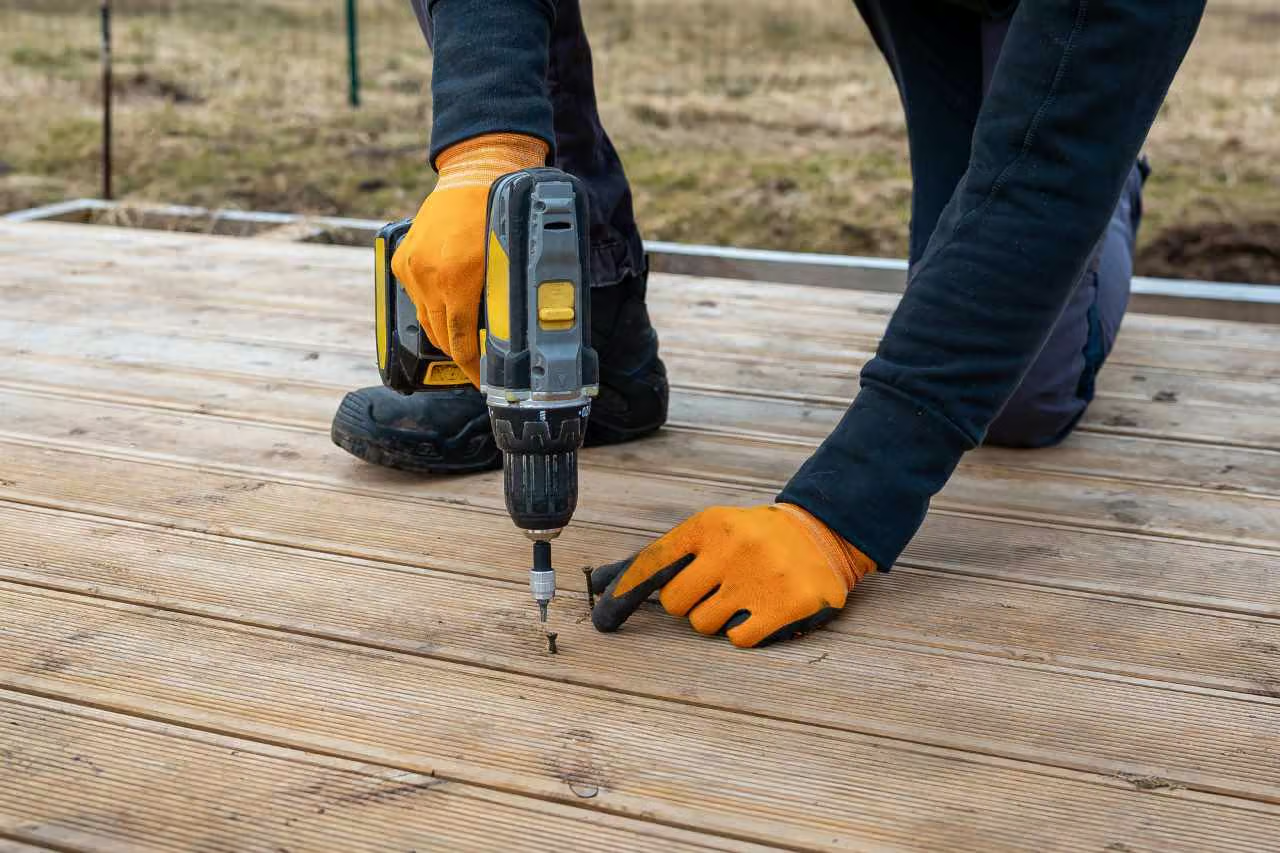
A cleaner method starts by clearing screw heads with a pick or stiff brush. Back out what you can, then cut stubborn screws with an oscillating tool or pry only near framing points. Work in short sections instead of yanking the full board at once.
This is where patience saves money. A homeowner in Ohio replacing three boards after a wet winter may think the job is small. If careless prying splits two joists, the project changes. Now the repair moves below the surface and takes more time, more lumber, and more judgment.
Checking joists before installing the new board
The empty gap is your best inspection window. Once the old board is gone, look at the joist tops, hanger areas, and spots where fasteners entered the wood. Probe dark patches with a screwdriver. Firm wood resists. Soft wood gives you the truth fast.
Deck repair cost rises when hidden framing damage appears, but ignoring it costs more later. A new board screwed into a weak joist will feel solid for a short time, then loosen as the support keeps decaying. That kind of repair has no backbone.
Joist tape can help protect sound framing before the new board goes down. It sheds water away from screw holes and slows future moisture damage. It is not magic, and it will not save rotten framing. Used on solid joists, though, it gives the repair a better chance to last.
Installing, Finishing, and Protecting the Repair
A replacement board should not only fill a hole. It should drain well, sit flat, hold fasteners cleanly, and age into the deck without creating new weak spots. The finish matters, but the install comes first.
Setting gaps for drainage and seasonal movement
Wood needs space to move. Boards swell during wet seasons and shrink during dry spells. If you install a replacement board too tight, water can sit between boards and feed the next round of decay. If the gap is too wide, small chair legs, leaves, and debris become a daily irritation.
Gap size depends on the moisture content of the new board and the existing spacing. Wet pressure-treated boards often shrink after installation, while dry boards may need a more deliberate gap. A simple spacer can help, but your eyes matter too. Match the deck’s working pattern, not a number you found on a package.
Splintering deck wood often starts faster when boards hold water along tight edges. Good spacing lets air do boring work, and boring work saves decks. Drainage does not look impressive, yet it decides whether a repair stays quiet for years.
Sealing cut ends and planning future maintenance
Fresh cuts are thirsty. End grain absorbs moisture faster than the face of a board, so sealing cut ends matters. Skipping that step is like buying good boots and leaving the soles unfinished. The weak point is exactly where water will find it.
Let new wood dry before staining if the product calls for it. Some boards need weeks or months before they accept finish well, depending on climate and moisture. Follow the coating label, but also test a small spot. If water beads, the wood may not be ready.
Deck repair cost stays lower when maintenance follows a rhythm. Clean debris from gaps, move planters off bare boards, check rail posts after storms, and inspect shaded areas every spring. Rotting deck boards rarely surprise people who look twice a year. They surprise people who only look when something breaks.
Conclusion
A deck earns trust one board at a time. You do not need to panic when one piece fails, but you should not pretend damage is harmless because the rest of the deck still looks strong. The smartest repair starts with honest inspection, careful removal, solid fastening, and protection against the same moisture that caused the problem. Deck board replacement is not about making old wood look new for a weekend. It is about stopping small damage before it reaches the frame, the stairs, or the places where people gather. Treat every bad board as a clue. Look underneath, match materials with care, seal what you cut, and give water a clear way out. Start with the worst board this week, then inspect the rest before the next season changes the rules under your feet.
Frequently Asked Questions
How do I know if rotting deck boards need replacement?
Soft spots, crumbling edges, deep cracks, and fasteners that no longer hold are clear signs. Surface staining alone does not prove failure. Press the board with a screwdriver near screw holes and end cuts. If the wood gives way, replacement is the safer choice.
Can I replace only one damaged deck board?
One board can be replaced if the nearby boards and joists remain sound. The key is checking the framing after removal. If the joist below is soft, split, or dark from trapped moisture, the repair needs more than one new surface board.
What causes splintering deck wood after a few years?
Sun exposure, moisture swings, age, poor sealing, and low-grade lumber can all raise the grain. Boards that dry too hard on top while staying damp underneath often split faster. Heavy furniture movement and neglected finishes make the surface break down sooner.
Is pressure treated decking better than cedar for repairs?
Pressure treated lumber usually costs less and resists decay well, while cedar offers a warmer natural look. The better choice depends on the existing deck. Matching the current material often matters more than switching to a different wood for one repair.
How much does deck repair cost for damaged boards?
Costs vary by board type, local labor rates, fastener condition, and hidden framing damage. A few surface boards may be manageable for a handy homeowner. Costs rise when joists, stairs, rail posts, or ledger areas need work too.
Should new deck boards be stained right away?
Some new boards need drying time before stain bonds well. Wet pressure-treated lumber often rejects finish at first. Check the stain label and test water absorption on the board. If water beads on the surface, the wood is likely not ready.
What tools are needed to replace a deck board?
Common tools include a drill, pry bar, circular saw or oscillating tool, tape measure, safety glasses, exterior screws, and a spacer. A screwdriver or awl helps test wood firmness. Stubborn fasteners may require cutting instead of backing out cleanly.
How often should I inspect a wood deck for damage?
A spring inspection and a fall inspection work well for most American homes. Check after major storms too, especially near stairs, railings, shaded corners, planters, and doorways. Early inspection keeps small board damage from turning into structural repair.