Introduction
Drywall installation is one of the most essential parts of any residential or commercial construction project. Whether you are building a new home or renovating an old space, drywall plays a major role in defining the structure, appearance, and durability of interior walls.
However, one of the biggest concerns for homeowners and contractors is cost. Many people assume that achieving quality drywall work requires a high budget, but in reality, there are several cost-effective solutions that can help you get professional results without overspending.
This guide explores practical strategies to reduce drywall installation costs while maintaining quality, durability, and long-term value.
Understanding What Affects Drywall Costs
Before looking at cost-saving strategies, it’s important to understand what actually drives the cost of drywall installation. Several factors can influence the total expense of a project.
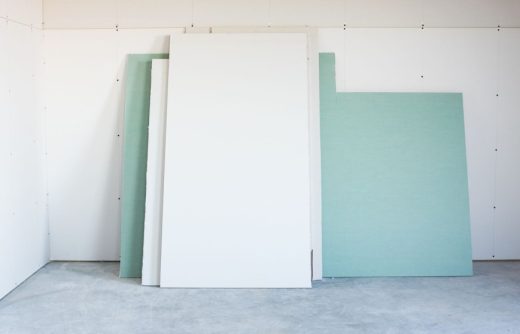
The size of the area is one of the most obvious factors. Larger spaces require more materials and labor, which increases overall cost. Similarly, the type of drywall used also plays a significant role, as specialized boards (such as moisture-resistant or fire-rated drywall) are more expensive.
Labor costs can vary depending on the complexity of the project and the experience level of the workers. Additionally, preparation work such as removing old drywall or fixing structural issues can also add to the total budget.
Choosing the Right Materials for Budget Efficiency
One of the easiest ways to reduce drywall installation costs is by selecting the right materials. Standard drywall is often sufficient for most residential applications and is significantly more affordable than specialized alternatives.
In many cases, homeowners overspend by choosing premium materials where they are not necessary. Understanding where to use standard drywall versus specialized options can lead to substantial savings.
Another cost-saving approach is buying materials in bulk, especially for larger projects. This often reduces the per-unit price and helps keep the project within budget.
Smart Planning Before Installation Begins
Proper planning can significantly reduce unnecessary expenses during drywall installation. Many cost overruns occur due to poor preparation or last-minute changes in design.
Before starting the project, it is important to measure the space accurately, finalize design decisions, and identify any potential structural issues. This helps avoid delays and rework, which can quickly increase costs.
Efficient planning also includes scheduling work during off-peak construction seasons when labor costs may be lower.
The Role of Repairs in Cost Control
One of the hidden costs in drywall projects comes from ignoring existing damage before installation begins. Cracks, holes, or moisture issues can affect the final result if not addressed properly.
Handling repairs early can prevent more expensive problems later in the project. In fact, using a professional drywall repair service ensures that surfaces are properly prepared before new installation begins.
This step not only improves the quality of the final finish but also reduces the risk of future maintenance costs.
DIY vs Professional Installation
Many homeowners consider DIY drywall installation as a way to save money. While this can reduce labor costs, it often comes with risks such as uneven surfaces, poor finishing, and long-term durability issues.
Professional installation, on the other hand, may seem more expensive upfront but often results in better efficiency and fewer mistakes. This reduces the need for future repairs and adjustments, ultimately saving money over time.
The key is to evaluate your skill level and the complexity of the project before deciding which route to take.
Efficient Installation Techniques That Save Money
Modern drywall installation methods are designed to reduce waste and improve efficiency. Professionals use precise cutting techniques, optimized layouts, and advanced tools to minimize material loss.
Another important factor is reducing installation time. Faster installation not only lowers labor costs but also allows other construction work to proceed without delays.
Working with experienced specialists ensures that every step is completed efficiently, reducing unnecessary expenses throughout the project.
Avoiding Hidden Costs in Drywall Projects
Hidden costs are one of the biggest challenges in drywall installation. These can include unexpected structural repairs, material wastage, or additional labor due to poor planning.
For example, improper wall framing or uneven surfaces may require adjustments before drywall can be installed. These corrections often increase both time and cost.
Regular inspections and proper preparation help identify these issues early, preventing unexpected expenses later in the project.
Importance of Professional Installation for Long-Term Savings
While cost-saving strategies are important, quality should never be compromised. Poor installation can lead to cracks, sagging, or water damage, all of which require expensive repairs in the future.
Professional installation ensures that drywall is properly measured, cut, and secured for long-term durability. It also ensures a smooth finish that enhances the overall appearance of the space.
When done correctly, professional installation reduces maintenance costs and increases the lifespan of the walls.
When Installation and Expertise Work Together
The best results often come from combining quality materials with expert workmanship. This is where professional services become especially valuable.
Working with experienced drywall installation specialists ensures that the entire process—from planning to finishing—is handled efficiently and correctly.
Experts understand how to balance cost, quality, and durability, making them an essential part of any successful construction project.
Long-Term Value of Cost-Effective Drywall Solutions
Cost-effective drywall installation is not just about saving money during construction; it is about maximizing long-term value. A well-installed drywall system requires less maintenance, fewer repairs, and offers better durability over time.
Investing in proper materials and skilled labor may seem like a higher upfront cost, but it significantly reduces expenses in the long run.
This approach ensures that homeowners and businesses get the best return on their investment while maintaining high-quality interiors.
Cost-effective drywall installation is achievable with the right combination of planning, material selection, and professional expertise. By understanding cost factors and avoiding common mistakes, homeowners can significantly reduce expenses without compromising quality.
From proper preparation and efficient installation techniques to professional repairs and expert services, every step plays a role in controlling costs and improving results.
In the end, smart decisions today lead to stronger, more durable, and more affordable drywall systems in the future.