
A polished home does not come from throwing money at a room and hoping for magic. It comes from restraint, rhythm, and a sharp eye for what deserves attention. If your place feels close to finished but still somehow flat, you are not missing more decor. You are missing intention. That is where style interior spaces stops being a vague dream and becomes a practical skill.
Most people do not live in magazine spreads, and frankly, that is good news. Real homes carry backpacks by the door, half-read books on the table, and the memory of rushed mornings. Elegance has to survive all of that or it is just costume design. The best rooms feel calm without looking staged, layered without looking crowded, and personal without turning into a scrapbook of random purchases.
You do not need a full renovation to get there. You need better choices, made in the right order, with enough nerve to remove what weakens the room. A fresh home look often starts with what you stop doing. The rest follows faster than you think.
Start With Shape Before You Chase Decor
A room tells you what it needs long before the cushions and candles show up. The problem is that most people ignore the bones and rush straight to accessories, then wonder why the result feels busy instead of refined. Elegance begins with shape, spacing, and visual balance, because a room with bad structure cannot be rescued by pretty objects.
Build a Room Around Strong Furniture Lines
Strong furniture does more than fill space. It sets the attitude of the room. A low, boxy sofa gives a living area a grounded mood, while slim chairs with open legs keep the floor visible and the whole space lighter. When those lines fight each other, the room feels restless. When they agree, everything settles.
I learned this the hard way after helping a friend redo a narrow apartment lounge that looked expensive but strangely tired. She had a curvy loveseat, a heavy square coffee table, and two ornate side chairs that seemed charming on their own. Together, they looked like strangers stuck in an elevator. We replaced only one piece, swapped the table for something leaner, and suddenly the room made sense.
That is the real trick. You do not need matching furniture, and you absolutely do not need a showroom set. You need shapes that share a language. Pick one dominant line, whether that is soft and rounded or crisp and tailored, and let the supporting pieces speak with the same accent. The room stops arguing with itself.
Let Empty Space Do Some of the Styling
Empty space unnerves people because it feels unfinished for about five minutes. Then it starts to feel expensive. A room packed edge to edge with furniture and filler loses clarity, and once clarity disappears, elegance goes with it. Space is not wasted area. Space is breathing room for your eye.
You can see this instantly in smaller homes, where every added object carries more visual weight. A console table with air around it looks intentional. The same table squeezed between oversized lamps, stacked baskets, and extra stools looks apologetic. One confident piece often beats four anxious ones.
This does not mean your home should feel bare or cold. It means every object needs a reason to stay. Leave a corner open if the room reads better that way. Keep one surface half clear. Let the eye land somewhere quiet. That pause matters more than people think, and it is often the difference between stylish and overdone.
Use Color Like You Mean It
Color can steady a room or ruin it in ten seconds. Many homes look messy not because the furniture is wrong, but because the palette never committed to a clear mood. Elegant interiors usually do one thing very well: they stay disciplined. Not boring. Disciplined. There is a difference, and your home feels it.
Choose a Base Palette That Calms the Room
A calm palette gives you range. Once the base is right, almost everything else becomes easier, from textiles to artwork to seasonal changes. The smartest move is to start with two or three dependable tones that already suit your light, flooring, and daily life. Warm whites, soft taupes, muted greens, stone grays, and deep browns work because they behave well across materials.
People often assume elegance means pale and precious. I disagree. Some of the most graceful rooms I have seen used muddy olive walls, tobacco leather, and off-black trim. What made them work was restraint. The colors repeated in quiet ways and never competed for attention. That repetition creates confidence, which rooms need as much as people do.
If you want a fresh home look, test your palette at different times of day before committing. Morning light forgives a lot. Evening light does not. Paint swatches lie when they are tiny, and fabric samples can lean strange under warm bulbs. Give the color a fair trial, then trust what feels settled rather than what looks dramatic for a moment.
Add Contrast Through Texture, Not Chaos
Contrast gives a room life, but too many people chase it by introducing random colors that do not belong. That is the fast route to a room that feels noisy. Better contrast comes from texture. Mix matte with polished, soft with structured, woven with sleek. The eye notices depth even when the palette stays quiet.
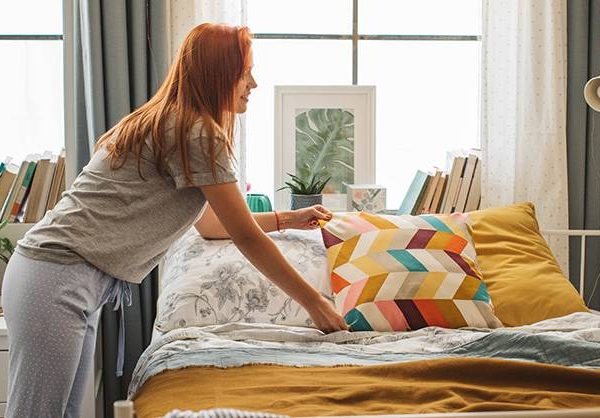
Think about a simple bedroom: linen bedding, a velvet bench, a ceramic lamp with a chalky finish, and brushed metal hardware. None of those pieces needs to shout. Together, they create tension in the best sense. The room feels layered and alive without turning into a color experiment gone wrong.
This is also where elegant interior styling earns its reputation. It is not about piling on luxury cues until the room feels dressed up. It is about choosing surfaces that catch light differently and age well. Texture gives a room memory. It makes the space feel lived in, not just arranged for visitors.
Layer Lighting for Mood, Not Just Visibility
Bad lighting can make a well-designed room look cheap by sunset. That sounds harsh, but it is true. One lonely ceiling fixture cannot carry the emotional weight of an entire room. If you want elegance, you need lighting that changes the mood, shapes the evening, and flatters the materials you spent time choosing.
Treat Overhead Lighting as Only the Beginning
Ceiling lights matter, but they should not do all the work. Overhead lighting is your base layer, not your full story. Once the sun drops, you need lamps and wall lights to take over the atmosphere. That is when rooms either become inviting or suddenly look like waiting areas.
A dining room in Lahore that I visited last year proved the point perfectly. During the day, it looked fine, if a little stiff. At night, with only a bright central fixture turned on, the table surface glared, the corners went dull, and everyone looked tired. We added two low lamps on a sideboard and dimmer bulbs overhead. Same furniture. Totally different room.
This is the part many homeowners skip because it feels less exciting than buying art or a new rug. Yet lighting changes how every other purchase behaves. Wood looks richer, fabric gains softness, and wall color stops feeling flat. A room with layered light feels finished even before the styling is complete.
Place Lamps Where Life Actually Happens
A beautiful lamp in the wrong place becomes sculpture with a power cord. That is not enough. Lighting works best when it supports how you actually live, not how a catalog suggests you should live. Put light where you read, where you talk, where you wind down at the end of the day.
In living rooms, this often means a table lamp near the sofa, a floor lamp beside a chair, and maybe a smaller accent light on a shelf or console. In bedrooms, bedside lamps should sit at a comfortable reading height, not float too high like hotel props. In entryways, one warm light near the door changes the tone of the whole home before a guest even takes off their shoes.
For readers who follow design news or want broader inspiration, a trusted interiors media platform can help you spot patterns in what still feels timeless and what already feels tired. That outside perspective matters. But the final test remains personal: if your lighting makes your home easier to enjoy after dark, you got it right.
Style With Fewer Objects and Better Stories
The last stage of decorating tempts people into overexplaining their rooms with stuff. More vases, more trays, more candles, more little things bought in a panic because the shelf looked empty. Elegance usually comes from editing, not adding. The room does not need more objects. It needs better ones.
Curate Pieces That Carry Weight
Objects should pull emotional or visual weight, ideally both. That framed sketch you found while traveling, the hand-thrown bowl that sits imperfectly on a console, the old brass box from your grandmother’s cabinet—those pieces do more than decorate. They root the room in a life. Generic filler rarely manages that.
I always tell people to test decor with one blunt question: would you miss this if it vanished tomorrow? If the answer is no, it may not deserve prime real estate on your shelf. Rooms gain elegance when the visible objects have earned their place. That does not mean every item needs a dramatic backstory, only that it should contribute something real.
This is where many polished homes quietly win. They feel edited because they are. The owners chose fewer pieces, but each one carries shape, texture, memory, or contrast. That weight is what makes a room feel intentional instead of merely decorated.
Keep Surfaces Alive but Uncluttered
Flat surfaces invite clutter like a magnet invites paper clips. Kitchen counters collect mail, side tables collect chargers, and dressers collect every object you forgot to put away. Then the room loses crispness, and your styling work gets buried under daily drift. Elegant rooms do not stay perfect, but they recover quickly because they have a simple system.
The answer is not to empty every surface until your home looks unlived in. The answer is to give each surface a loose role. A coffee table might hold books and one vessel with branches. A bedside table might carry a lamp, a book, and a small dish. An entry console might take a tray for keys and one framed piece above it. Enough life, not too much noise.
That balance is where style interior spaces becomes a habit rather than a one-time project. You begin to notice when a room feels tipped too far toward clutter or too far toward sterility. Then you adjust before the problem grows. Homes stay elegant through maintenance, not miracles.
Make Elegance Fit the Way You Actually Live
A stylish room that fights your daily routine will not stay stylish for long. That is the ugly truth behind many beautiful but frustrating homes. You should not have to tiptoe around your furniture, protect every textile like it is museum fabric, or move six objects just to set down a cup of tea. Elegance that cannot survive real life is theater.
Match the Room to Your Household Rhythm
Your home has patterns whether you acknowledge them or not. Shoes gather near one entrance, bags land on a certain chair, kids sprawl where the light is best, and guests drift toward the kitchen even when you swore they would not. Style works better when it respects those habits instead of trying to scold them out of existence.
I once saw a lovely formal lounge turned into a dumping ground because the family never used it the way it was designed. The “correct” layout looked refined, but it ignored the fact that everyone wanted a place to chat near the window and keep everyday items within reach. We rearranged the seating, added a closed cabinet, and the room finally behaved. Funny how that happens.
This is why elegant interiors need honesty. If your house is full of movement, choose finishes that forgive life. If you host often, create landing zones for drinks and bags. If you work from the dining table twice a week, stop pretending you do not and style the space with that in mind. Real function makes beauty last.
Refresh Seasonally Without Rebuilding the Room
Freshness does not require a full redesign every few months. Most homes need small seasonal shifts, not dramatic personality changes. Swap cushion covers, change branches or greenery, lighten throws, rotate art from another room, or move one chair to catch better winter light. Those subtle updates keep the house feeling awake.
The smartest homes build on a stable foundation and then adjust with the calendar. In summer, that may mean breathable fabrics and fewer heavy accents. In cooler months, richer textures, deeper tones, and softer lighting carry more weight. You are not reinventing the room. You are tuning it.
This is also where elegant interior styling proves it has stamina. A good room can flex without losing itself. It has enough identity to stay recognizable and enough ease to evolve. That balance keeps your home from feeling stale, which is half the battle when you want a place that still feels fresh years later.
Conclusion
A graceful home is not built by accident, and it is not reserved for people with endless budgets or an architect on speed dial. It comes from clear decisions repeated over time: cleaner furniture lines, steadier color choices, softer light, fewer objects, and a layout that respects the way you actually move through the day. That is the heart of style interior spaces with real elegance. It is less about perfection and more about control.
The strongest rooms do not beg for attention. They hold it quietly. They let you exhale when you walk in, and they keep working long after the first compliments fade. That is why editing matters more than impulse shopping, and why mood matters more than trend-chasing. You are not just dressing a room. You are shaping the feeling of daily life inside it.
So start small, but start with conviction. Remove what weakens the room, strengthen what already feels right, and commit to one improvement this week that your future self will thank you for. Your home does not need a dramatic makeover. It needs a sharper point of view. Give it one, then let the room rise to meet you.
What is the easiest way to make interior spaces look more elegant?
Start by removing clutter, then focus on furniture spacing, lighting, and a tight color palette. Most rooms improve faster from editing than buying. Clear surfaces, layered lamps, and better proportions create elegance without forcing you into a full redesign.
How do you style interior spaces with elegance on a budget?
Spend money where the eye lingers longest: lighting, textiles, and one strong furniture piece. Skip trendy filler. Paint, secondhand finds, better curtains, and disciplined styling often beat expensive shopping sprees because good taste costs less than constant replacement.
Which colors make a home look fresh and refined?
Soft whites, stone tones, muted greens, warm taupes, and deep browns usually age well. They calm a room and let texture shine. The secret is consistency, not drama. Pick a palette with discipline, then repeat it across fabrics, finishes, and accents.
How many decor items should be on a coffee table?
Keep it simple with two or three grouped elements that vary in height and texture. A stack of books, a bowl, or a vase usually works. When a coffee table carries too much, the whole room starts looking nervous and crowded.
Why does my room still feel off after buying new furniture?
New furniture cannot fix poor layout, bad lighting, or clashing shapes. Rooms feel off when the pieces ignore the room’s scale or each other. Step back, adjust spacing, edit accessories, and check your lighting before blaming the furniture again.
Can small homes still feel elegant and spacious?
Yes, and sometimes small homes pull it off better because every decision matters more. Keep sightlines open, choose furniture with visible legs, leave some corners quiet, and avoid stuffing every wall. Restraint makes compact rooms feel intentional instead of cramped.
What lighting works best for elegant interior styling?
Use layered lighting: overhead for general brightness, table lamps for warmth, and accent lights for depth. One harsh ceiling fixture flattens everything. Warm bulbs, dimmers, and lamps placed near real activity zones make a room feel richer and easier to enjoy.
How often should you refresh a room to keep it looking fresh?
Most rooms benefit from small seasonal changes rather than constant redesigns. Rotate textiles, move a chair, swap branches, or update a lamp shade. A home stays fresh when you notice its mood changing early and respond before the room feels stale.