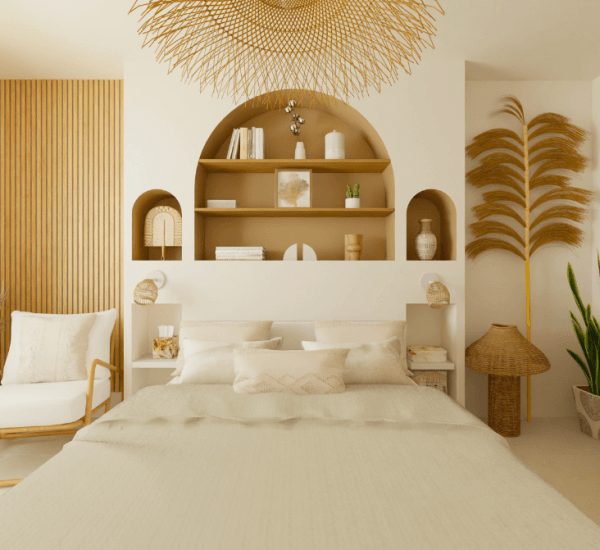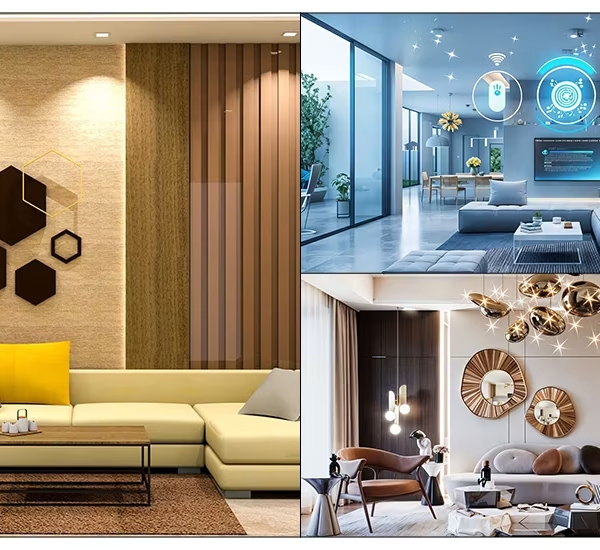

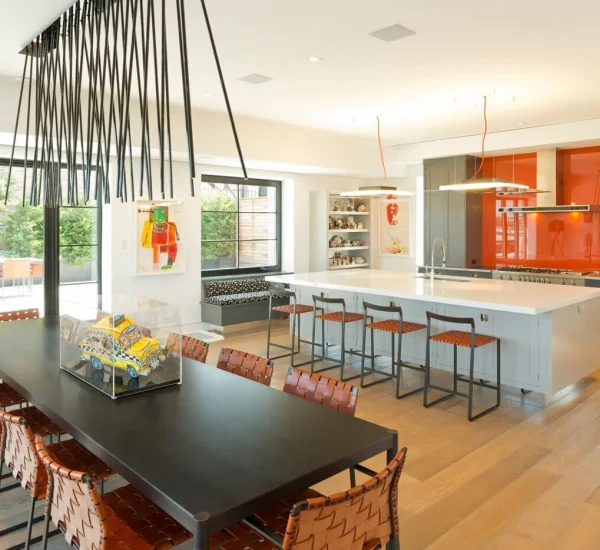
A room can have expensive furniture, designer paint, and a chandelier that looks like it belongs in a hotel lobby, yet still feel dead on arrival. That is the dirty little secret of decorating: money does not create beauty, judgment does. The homes that stay with you are not always the biggest or the fanciest. They are the ones that feel composed, calm, and a little personal in a way you cannot fake. That is where Interior Spaces either win your heart or quietly lose it.
Real elegance is not about making a home look precious. It is about giving every room enough intention that it feels settled, but never stiff. You want shape without coldness, comfort without clutter, and style that does not beg for approval. I have seen small apartments feel more refined than oversized villas simply because someone understood balance, light, and restraint.
You do not need a house full of matching sets or a shopping spree to get there. You need better decisions. A well-placed lamp can do more than a costly sofa. A calm color story can rescue a chaotic room. Even your favorite chair starts looking smarter when the room around it finally makes sense. That is the standard worth chasing.
Start With Mood Before You Start With Shopping
Most people begin decorating with products, and that is exactly why rooms start drifting in ten different directions. The first real step is deciding how you want a room to feel at eight in the morning, at dusk, and when friends drop by unannounced. When you define mood first, everything else falls into line. That is how a room stops looking assembled and starts feeling intentional.
Build a Color Story That Calms the Room
Strong rooms do not shout through color. They speak clearly. The easiest way to get that effect is to choose a tight palette and repeat it with slight variation, not with military precision. Soft stone, warm white, olive, ink, clay, or muted blue can hold a room together better than a dozen trendy shades fighting for attention. Calm always looks more expensive than chaos.
A London townhouse living room I once admired used four main tones and almost nothing else: oatmeal walls, walnut wood, charcoal upholstery, and brass accents. That sounds almost boring on paper. In person, it felt rich because every choice worked in the same conversation. The room had depth without visual noise, and the eye could finally rest.
You do not need to fear color, but you do need to control it. Pick one anchor shade, one supporting neutral, and one accent with a bit of personality. Then repeat them in fabric, art, trim, and objects. That repetition gives a room rhythm, and rhythm is what makes it feel finished instead of merely filled.
Let Texture Do the Heavy Lifting
Texture rescues a room when color alone feels flat. A linen curtain, a wool rug, a leather chair, a rough ceramic bowl, and a polished wood table create a layered look without any theatrical effort. This is where many homes miss the point. People keep adding things when what the room really needs is contrast in surfaces.
A pale room with no texture can feel like a waiting area at a private clinic. Clean, yes. Memorable, not remotely. Add a nubby throw, a matte lamp base, and a woven bench, and the space gains character without losing calm. Texture lets you keep a restrained palette while still giving the room a pulse. That matters.
This is also the place where elegant home decor separates itself from showroom styling. Showrooms often look polished but oddly untouchable. A lived-in elegant room has softness, grain, and a few pieces that look better because they have been used. Glossy perfection gets old fast. Tactile richness keeps a room interesting long after the first impression fades.
Style Interior Spaces by Fixing Proportion First
Bad proportion ruins good furniture faster than bad taste does. A lovely rug that is too small, a coffee table that sits too low, or curtains hung like an afterthought can make a solid room look amateur in ten seconds. When people say a room feels off, this is often the culprit. It is not the style. It is the scale.
Use Furniture Size to Create Quiet Confidence
Furniture should fit the room, but it should also fit the life inside it. A tiny sofa floating in a large room looks apologetic. An oversized sectional in a narrow apartment feels like it is trying to win a wrestling match with the walls. The right scale gives a room confidence. Nothing looks strained. Nothing looks lost.
A good rule is simple: let the largest piece establish authority, then support it with pieces that vary in weight. If the sofa is broad and grounded, pair it with chairs that show some leg. If the bed is tall and upholstered, keep the bedside tables lighter. A room feels elegant when it has hierarchy, not sameness.
This is where people often panic and overcorrect. They buy all petite pieces because they fear heaviness, then wonder why the room feels temporary. A room needs at least one item with visual gravity. That anchor settles everything around it. Without it, the space reads as cautious, and cautious rooms rarely have any real charm.
Place Rugs, Curtains, and Art Like You Mean It
Nothing exposes uncertainty faster than undersized finishing pieces. A rug that only reaches the coffee table looks stranded. Curtains clipped too low flatten the ceiling. Art hung in random little clusters turns the wall into visual static. These details sound minor until you see how badly they can shrink a room that otherwise had promise.
Hang curtains high, close to the ceiling, and let them fall generously. Choose rugs large enough to connect the main furniture rather than just decorate the floor. When hanging art, think in relation to the furniture below it, not as isolated objects. A wall is not a storage unit for frames. It is part of the room’s architecture.
This is also the moment to edit with a firm hand. You do not need five small prints where one bold piece would do the job better. You do not need a delicate side table that disappears beside a sturdy armchair. Rooms become graceful when the supporting elements stop apologizing and start doing real work.
Light Is the Difference Between Decor and Atmosphere
A beautiful room under bad lighting can feel strangely disappointing, like a great outfit seen under supermarket fluorescents. Light does more than help you see. It shapes mood, color, texture, and even your sense of space. If you want elegance, stop treating lighting like a last-minute purchase and start treating it like part of the architecture.
Layer Lighting Instead of Relying on One Source
Ceiling lights alone are lazy, and lazy lighting makes even a thoughtful room feel flat. Elegant rooms almost always use layers: ambient light for overall glow, task light for function, and accent light for mood. That combination creates dimension. It lets the room shift through the day rather than stay stuck in one harsh note.
Think about the difference between a dining room lit only by a central fixture and one that also has wall sconces or a shaded lamp on a sideboard. The first room works. The second room lingers. You want pools of light, soft edges, and a sense that the room can handle conversation as well as chores.
This is one area where small choices pay off fast. Swap a cold bulb for a warmer one and the room relaxes. Add a lamp beside a reading chair and suddenly that corner has purpose. Put a dimmer on the main fixture and the entire room becomes more adaptable. Mood is built, not bought whole.
Treat Natural Light Like a Design Material
Daylight has a personality, and smart decorators work with it instead of fighting it. A north-facing room may need warmth in fabric and wall color. A bright west-facing room may need softer finishes to avoid glare. The same paint can look serene in one room and sour in another, which is why blind copying rarely ends well.
Sheer curtains often do more for a room than heavy drapes unless privacy demands otherwise. They soften incoming light without suffocating it. Mirrors can help, but only when placed with intention. Bounce light toward a dull corner or across from a window, and the room opens up. Scatter mirrors everywhere, and the house starts flirting with vanity.
When you start seeing light as a material, decorating gets smarter. You stop asking only what matches and start asking what glows, what softens, what sharpens, and what flatters the people living there. That shift changes everything. Rooms feel less staged and more alive, which is the whole point of elegance in the first place.
The Best Rooms Reveal Taste Through Restraint
A room earns elegance when it knows when to stop. That sounds simple, but restraint is one of the hardest skills in decorating because buying more often feels like progress. It is not. Many rooms fail not because they lack style, but because they are drowning in effort. Every surface is busy. Every corner begs for attention.
Edit Objects So the Room Can Breathe
Decor should support the room, not hijack it. A console table does not need six decorative items, three books turned backward, and a bowl of beads pretending to matter. Pick fewer things and let them have presence. A lamp, a framed piece, and one sculptural object can look stronger than a crowded arrangement trying to prove taste.
The same applies to open shelves. When every inch is packed, the eye gives up. Leave gaps. Let one beautiful object stand alone. Stack books with purpose instead of turning them into a balancing act. Empty space is not wasted space. It is what lets the better pieces earn attention instead of competing for survival.
This discipline is what people often mean when they describe a room as refined. It is not about owning rare things. It is about knowing what deserves the stage and what should be removed before it cheapens the scene. The edit is where confidence shows. Anyone can add. Fewer people know how to stop.
Mix Personal Pieces With Polished Ones
The most stylish homes never feel copied from a catalog. They carry some history, some humor, and a few things that would make no sense in anyone else’s house. That is why true Interior Spaces feel distinct. They are not built from trend reports alone. They hold traces of the people who live inside them.
A handmade bowl from a local market, a slightly worn chair from a grandparent, a black-and-white photo you actually care about, or books with dog-eared pages all keep a room from becoming emotionally vacant. Polished rooms need that friction. Too much polish and the home feels rehearsed. Too much sentiment and it slips into clutter.
This is where elegant home decor becomes personal instead of performative. The goal is not to impress strangers for seven seconds on social media. The goal is to build rooms that feel honest when the guests leave. Hold onto that standard and your house will age well. Chase novelty alone and you will be redecorating from boredom every year.
Make Every Room Feel Finished Without Making It Feel Formal
A finished room does not mean a stiff room. That mistake has scared people away from elegance for years. They worry that once a room becomes refined, it also becomes untouchable, like a hotel suite nobody dares to sit in properly. That is nonsense. A well-styled home should invite you in, not place itself behind invisible velvet ropes.
Use Repetition to Tie Rooms Together
Homes feel elegant when they carry a quiet sense of continuity from room to room. That does not mean every room must wear the same outfit. It means the house should sound like one voice, not six strangers talking over each other. Repeat a finish, an accent color, a material, or a curve, and the whole home starts making sense.
A brass note in the kitchen can echo the lamp base in the sitting room. A warm oak tone on dining chairs can connect to frames in the hallway. A muted green cushion in the bedroom can nod to the tiles in a bathroom. These links do not need to scream for recognition. Subtlety wins here.
The reason this works is simple. Repetition creates trust. Your eye starts to believe the home was shaped with care instead of improvised room by room during weekend sales. That sense of order feels expensive, but it is mostly the result of discipline. The smartest homes often repeat more than they reinvent.
Keep Comfort at the Center of Every Choice
Elegance collapses when comfort disappears. A chair can be sculptural and still support your back. A sofa can look crisp and still welcome a lazy Sunday. A dining room can feel polished and still survive red sauce, laughter, and a child dropping a spoon three times in a row. Design that ignores living is decoration in costume.
You can test this easily. Sit in the room and stay there for twenty minutes. Read, talk, drink tea, or do nothing at all. If the lighting annoys you, the chair pinches, the table blocks movement, or the room feels too precious to breathe in, the styling has missed its mark. Beauty must cooperate with life.
That is why the best rooms rarely come together in one shopping trip. They improve as you notice what works and what keeps getting in the way. Add patience to your taste and the results become richer. Not dramatic. Better. And better is what lasts when trends lose interest and your home still needs to carry your actual life.
Conclusion
Elegant rooms do not happen because you copied a mood board with enough discipline. They happen because you learn to notice what calms a room, what sharpens it, and what quietly drags it down. That kind of attention changes the way you decorate. You stop chasing flashy purchases and start building rooms with balance, warmth, proportion, and a little nerve. That is how Interior Spaces become memorable instead of merely decorated.
The smartest move you can make is to treat every room like a living environment, not a performance. Choose fewer things, choose them better, and give light, texture, and spacing the respect they deserve. Then let the room tell the truth about you. Not the filtered version. The real one.
If you want fresh ideas and a sharper eye for design storytelling, spend time with thoughtful style coverage from trusted interiors and media voices. Then come back to your own rooms and edit with courage. Start with one corner, one wall, one lighting fix, or one rug that finally fits. Small moves done well change the whole house.
What is the first step to decorating a room elegantly?
Start by deciding how you want the room to feel, not what you want to buy. Mood guides every better choice after that. Once the atmosphere is clear, colors, furniture, lighting, and accessories stop fighting each other and start cooperating beautifully.
How do I make a small room look elegant without spending much?
Keep the palette tight, hang curtains high, use one properly sized rug, and cut visual clutter hard. Small rooms feel refined when they breathe. Cheap-looking spaces usually have too many tiny items, weak lighting, and furniture arranged without any confidence.
Which colors work best for elegant home interiors?
Warm whites, stone tones, muted greens, soft blues, charcoal, and earthy browns usually age well. The trick is not chasing one magic color. It is choosing shades that sit calmly together and repeating them enough to create visual rhythm throughout.
How can I mix comfort with a polished interior style?
Choose pieces that feel good in daily life, then refine the setting around them. A comfortable sofa, warm lighting, and textured fabric can still look polished. Elegance is not about stiffness. It is about making comfort look intentional rather than careless.
Why does my room still feel off after buying nice furniture?
Nice furniture cannot fix bad proportion, weak lighting, or cluttered styling. Rooms feel off when the scale is wrong or the layout lacks order. Often, the problem is not what you bought. It is how everything relates once placed together.
How many decorative items should I put on shelves and tables?
Fewer than you think. Give each surface space to breathe so the best pieces can stand out. A lamp, books, and one object often work better than crowded arrangements. Elegance comes from selective display, not from proving you own many things.
Can elegant interiors still include personal or sentimental items?
They should. Personal items give a room soul when you edit them well. A framed photo, inherited chair, or handmade bowl can deepen the style instead of weakening it. The key is choosing meaningful pieces and avoiding sentimental overload everywhere.
How do I keep my whole home looking cohesive room to room?
Repeat a few materials, colors, or shapes across the house without making every room identical. That quiet consistency builds flow. When rooms share visual cues, the home feels considered, calm, and far more polished than a space decorated in isolation.