

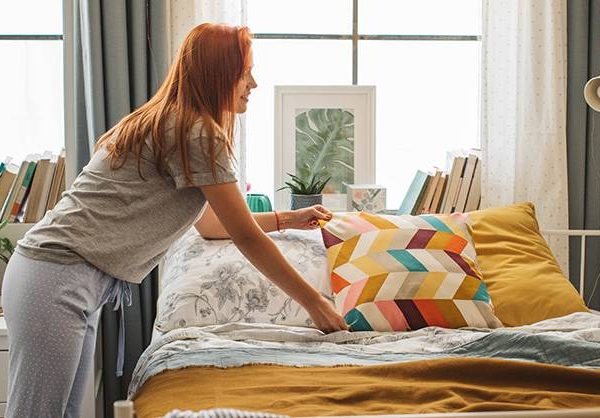
A room does not need more stuff. It needs better decisions. That is the hard truth most people learn after wasting money on décor that looked charming in a shop and awkward at home. When you style interior spaces, you are not dressing a showroom. You are shaping the mood of your mornings, the ease of your evenings, and the way your home holds you when life feels noisy.
I have seen beautiful rooms fail because they chased trends instead of comfort, and I have seen ordinary apartments feel quietly luxurious because someone understood scale, light, and restraint. Elegance is rarely loud. It shows up in the chair that sits exactly where your body wants it, the lamp that flatters the room at dusk, and the shelf that feels edited instead of crowded. That is why good design never starts with shopping. It starts with paying attention.
If you want a home that feels polished without turning stiff, you need taste, yes, but you also need nerve. You need to stop decorating for approval and start building rooms that behave well every single day.
Start with Comfort Before You Chase Beauty
A polished room falls apart fast when it makes daily life annoying. That is the first mistake people make: they buy for appearance, then spend months working around furniture that blocks movement, rugs that slide, and seating that looks elegant but punishes your back. Real elegance begins when a room feels easy to live in.
Read the Room Like a Real Person Lives There
A good room tells you how it wants to be used if you bother to watch it. The clue is not in a catalog shot. It is in the path you take from the door to the sofa, the corner where you drop a bag, and the chair everyone fights over without admitting it. That behavior matters more than any mood board.
I once helped rearrange a narrow city living room where the owner kept insisting she needed a bigger coffee table. She did not. She needed a clear walking lane and a side table close enough to hold a mug without a yoga stretch. The room looked instantly calmer when we stopped forcing it to perform like a large suburban den.
That is the point most design advice skips. A room becomes graceful when it stops resisting you. Before you buy one more object, stand in the space at three times of day and notice what feels awkward, dark, blocked, or ignored. Your answers are already there.
Choose Furniture That Earns Its Footprint
Every item in a room should justify the space it takes up. Big pieces can be wonderful, but only when they bring comfort, function, or presence strong enough to deserve them. Dead weight is the enemy. A room with fewer, better pieces nearly always feels richer.
This is where many so-called interior styling ideas go wrong. They push people toward endless layering when what the room really needs is subtraction. You do not need six occasional tables if one sturdy, well-placed piece solves the problem. You do not need a decorative bench nobody sits on just because a corner looks empty.
Make each choice answer one honest question: what job does this do well? If the answer is fuzzy, keep looking. Elegance grows from conviction, not clutter, and your square footage is too valuable for furniture that only poses.
How to Style Interior Spaces Without Making Them Feel Staged
Once comfort is locked in, the next challenge is atmosphere. This is where people often overcorrect. They add matching sets, overly themed accents, and decorative objects placed so carefully that the room starts to feel like a store display. A home should feel composed, not rehearsed.
Build a Visual Rhythm Instead of a Perfect Match
Matching everything is the fastest route to a flat room. You want rhythm, not repetition. That means shapes, tones, and materials should relate to each other without looking like they arrived in the same delivery truck. A curved lamp can soften a boxy sofa. A rough ceramic bowl can wake up a sleek console.
Think about a well-dressed person. The best outfits rarely rely on exact matches. They rely on balance. The same rule works at home. Walnut next to linen, matte black beside soft brass, a tailored chair paired with a relaxed throw. The tension is what gives the room life.
When you style interior spaces this way, the result feels collected rather than manufactured. It also ages better. Trend-heavy rooms date quickly because they chase one note too hard. Rooms with rhythm can shift, breathe, and grow with you over time.
Let Empty Space Do Some of the Work
Crowding every surface is not a sign of taste. It is usually a sign of nerves. People worry that an empty wall, shelf, or corner means the room is unfinished, so they fill it with filler. Bad move. Space is not a problem to solve. Space is part of the composition.
Walk into a hotel suite that feels expensive and you will notice something almost nobody talks about: restraint. There is breathing room around the furniture, the art is not fighting for attention, and the surfaces are not buried under little decorative apologies. The confidence is in what was left out.
Give your room that same confidence. Leave some tabletop visible. Let one wall stay quieter than the others. Keep a shelf from becoming a storage unit in disguise. A little visual silence can make the entire room feel more settled, and settled rooms feel elegant in a way busy ones never do.
Use Light, Texture, and Contrast to Create Depth
A room can have solid furniture and still feel dead if the light is harsh, the textures are all similar, or the palette sits in one narrow lane. Depth is what makes a space feel finished. It is the thing you notice before you know how to name it, and it changes everything.
Layer Light Like You Actually Want to Stay There
Ceiling lights alone make most homes feel exposed. They are useful, but they are not flattering. If you want warmth, you need layers: ambient light for general glow, task light for function, and accent light for mood. A room with only one lighting source rarely feels complete.
Try this in a living room: keep the overhead light for cleaning, then depend on a floor lamp near seating, a table lamp on a side table, and one smaller light in the background. By evening, the whole room shifts from practical to welcoming. Same furniture. Different feeling.
There is real evidence behind this instinct too. Sleep and wellness experts have long noted that softer evening light supports better wind-down habits, which is one reason homes feel better when they avoid harsh brightness late in the day. Thoughtful lighting is not decorative fluff. It changes how you live. For more inspiration on home presentation and editorial styling, explore this design publishing resource.
Mix Surfaces That Make a Room Feel Touched
Texture keeps a room from looking thin. You can paint everything in lovely tones and still end up with a flat result if every surface reflects light the same way. Texture adds friction, and friction adds character. That is why a room with modest pieces can feel far more memorable than a room packed with expensive sameness.
You do not need dramatic contrast to pull this off. A boucle chair near a smooth wood table, a stone vase on a lacquered console, a washed cotton curtain beside a leather ottoman. Small material shifts build richness without shouting. It is subtle work, but it has bite.
This is also where your home starts to feel personal. One of the strongest interior styling ideas is to choose materials that reflect how you want the room to be experienced, not just photographed. A reading corner should feel soft and grounding. A dining space can handle a little crispness. Your hands should like the room as much as your eyes do.
Make Elegance Personal or It Will Feel Fake
The final layer is identity. You can nail layout, color, light, and balance, then still miss the mark if the room says nothing about you. Elegance without personality feels rented. It may impress for ten minutes, but it does not hold attention because it has no pulse.
Edit Your Story Instead of Displaying Your Entire Life
A personal room does not mean a chaotic room. You do not need every souvenir, every framed print, and every inherited object out at once. The trick is selective honesty. Show what matters most, and let those pieces carry emotional weight instead of visual overload.
Maybe it is a black-and-white photograph from a trip that changed how you see the world. Maybe it is your grandmother’s brass bowl, scratched and slightly crooked, but impossible to improve on. Maybe it is a stack of art books you actually open. These things give a room a voice.
Editing matters because meaning lands harder when there is space around it. A single striking piece on a console can say more than ten smaller objects lined up like applicants at an interview. You are not building a museum of your life. You are shaping a room people can feel.
Keep the Room Alive by Letting It Change
The most elegant homes are never frozen. They evolve. A cushion cover changes with the season, a chair moves to catch better morning light, a sideboard gets cleared because life feels too crowded already. That kind of adjustment is not failure. It is fluency.
People often think finishing a room means locking it down. I think that is backward. A finished room is one you understand well enough to keep tuning. The family home that swaps fragile décor for durable beauty after a child arrives is not less stylish. It is smarter. The apartment that trades a bulky shelf for open breathing room after one stressful year is not losing character. It is finding it.
That is the quiet secret behind lasting elegance: attention over time. You do not get there through one giant shopping spree. You get there by noticing what still works, what never really did, and what the room is asking for next. Good homes are not installed. They are refined.
Conclusion
Elegant rooms are not built by people with endless budgets. They are built by people who know when to stop, what to keep, and why a room should serve life before it tries to impress anyone. That shift changes everything. The home feels calmer, your choices get sharper, and the space starts giving something back.
If you want to style interior spaces well, stop thinking like a collector of objects and start thinking like an editor of experience. Pay attention to movement, comfort, rhythm, texture, and light. Keep what works hard. Remove what merely fills space. Then add personality with a lighter hand than your first instinct suggests. That is where the magic hides.
And here is the part people rarely say out loud: elegance is not a luxury trait. It is a discipline. It comes from noticing, adjusting, and refusing to settle for rooms that look fine but feel wrong. Start with one space this week. Move a chair, clear a surface, switch a lamp, cut the clutter, and trust your eye a little more than the algorithm. Your home will answer back.
FAQ 1: What is the easiest way to make a small room look elegant?
Start by removing one third of what is visible, then anchor the room with one strong focal point. Keep pathways clear, use layered lighting, and choose fewer pieces with presence. Small spaces look elegant when they feel calm, not crowded or busy.
FAQ 2: How do I style interior spaces on a budget without looking cheap?
Spend on the pieces you touch and notice most, then save on accents. A solid lamp, decent curtains, and one handsome chair beat a room full of bargain clutter. Budget styling works when you buy slowly, edit hard, and avoid trendy throwaways.
FAQ 3: Which colors make interior spaces feel more refined and comfortable?
Soft earth tones, warm whites, muted greens, deep blues, and gentle taupes usually create a refined mood. The real trick is balance. Pair light shades with depth and texture so the room feels layered instead of washed out, cold, or forgettable later.
FAQ 4: How can I mix modern and classic décor without making the room messy?
Use one style to lead and the other to support. A modern sofa can sit beautifully with vintage lamps or framed antiques. Keep the palette tight, repeat one material twice, and let scale connect the pieces so the contrast feels intentional.
FAQ 5: What are the biggest mistakes people make when decorating living spaces?
People buy too much, match too hard, and ignore how they actually move through the room. Bad lighting causes trouble too. The worst mistake, though, is decorating for photos instead of daily comfort. A pretty room fails when it annoys you.
FAQ 6: How often should I update my home styling to keep it feeling fresh?
You do not need a full makeover every season. Refresh when the room stops supporting your routines or starts feeling stale. Swap textiles, move furniture, clear surfaces, and rethink lighting first. Small changes often do more than expensive overhauls ever can.
FAQ 7: Can minimalist design still feel warm and elegant in family homes?
Yes, if you stop confusing minimalism with emptiness. Warm minimalist homes use texture, soft light, and durable materials to create comfort. Keep fewer things, but choose better ones. Family spaces can feel tidy, welcoming, and elegant without losing personality or function.
FAQ 8: How do I choose décor that feels personal without creating visual clutter?
Pick pieces that carry memory, meaning, or real use, then give them room to breathe. Limit the number of displayed objects and vary height, shape, and texture. Personal décor feels strong when it is edited with honesty instead of piled everywhere.