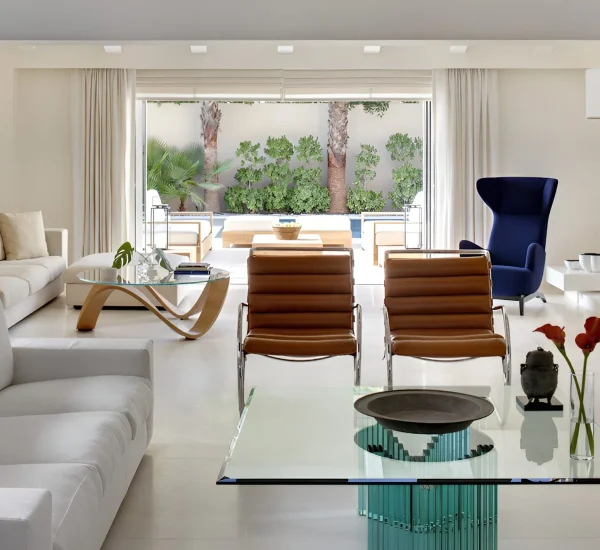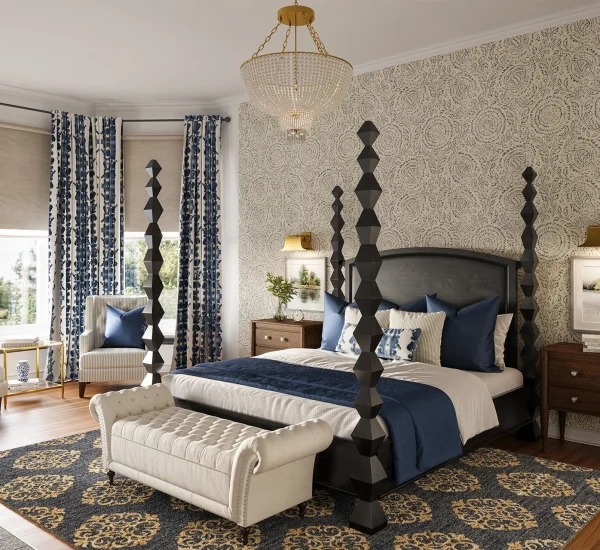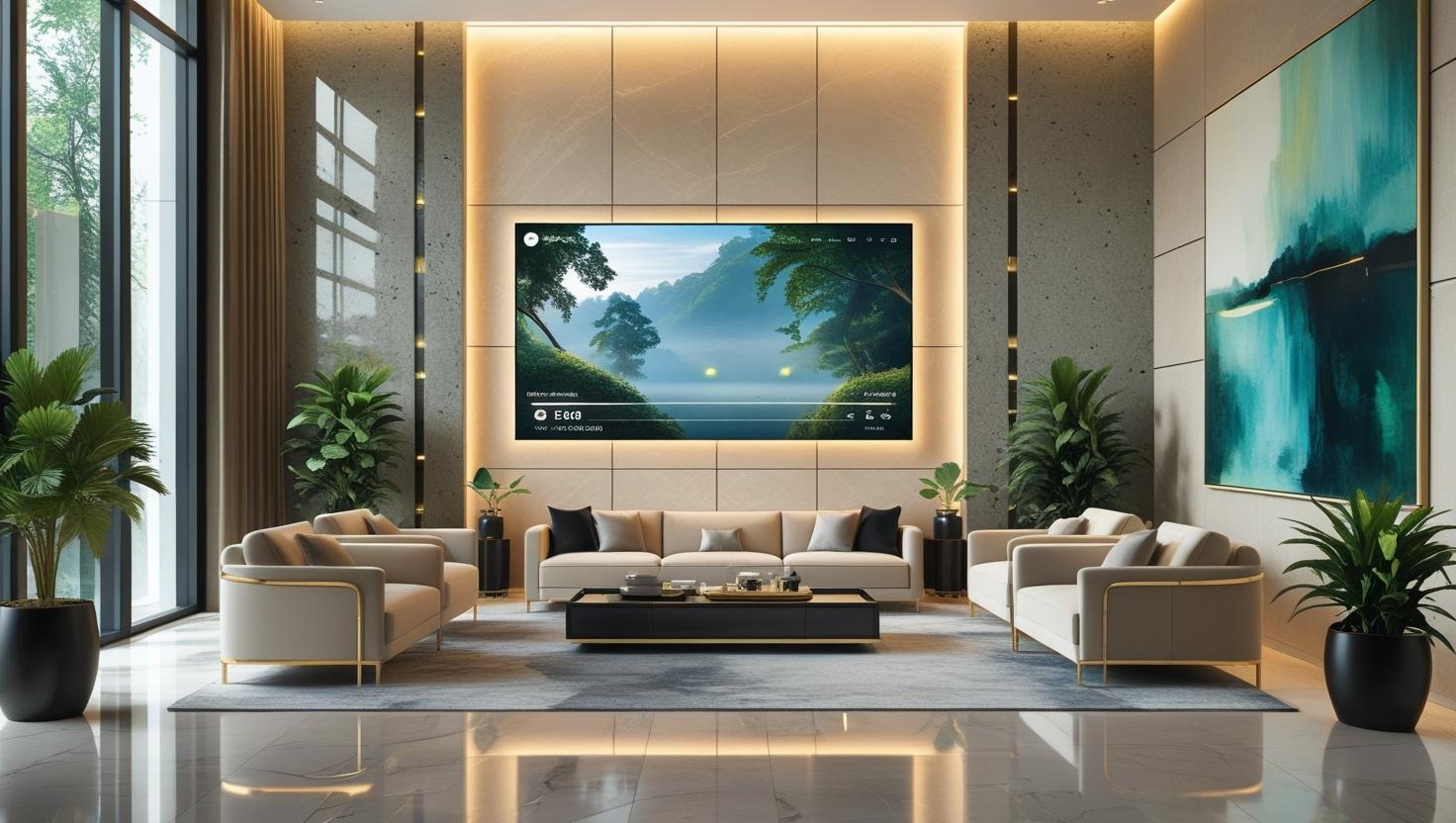

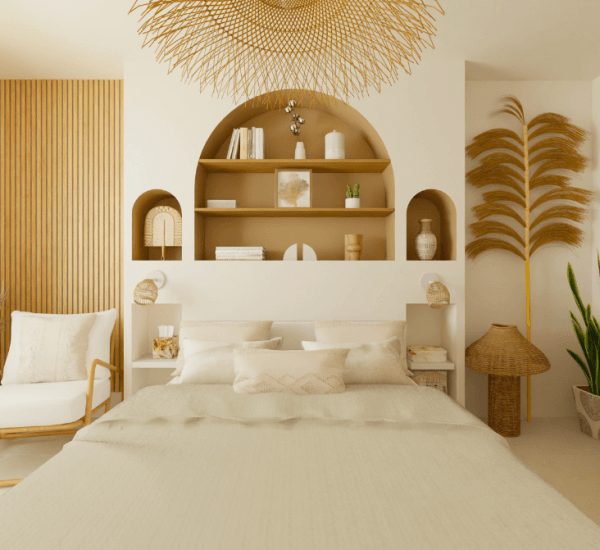
A home does not need a wrecking crew to feel new. It usually needs honesty, sharper choices, and the nerve to stop decorating around problems you should fix first. That is why Interior Makeover Ideas matter so much: they help you change how a place feels before you spend money changing everything in it.
You know the feeling when a room looks busy but somehow still feels flat. The sofa is fine, the rug is fine, the paint is fine, yet the space never quite lands. I have seen that in tiny apartments, big family homes, and polished new builds that still felt like a waiting room. The issue was rarely taste. It was usually hesitation. People kept too much, mixed too little intention into the room, or chased trends that looked good on a screen and tired them out in real life. A strong makeover begins when you stop asking what else to add and start asking what needs to leave, shift, soften, or earn its place.
Interior Makeover Ideas That Start With What You Remove
Most rooms do not suffer from a lack of style. They suffer from too many half-decisions living together at the same time. Before you buy one more vase, lamp, or side chair, clear the room enough to see what you are actually working with. That sounds simple because it is. Simple is not the same as easy.
Edit the room before you decorate it
A clean visual field changes your judgment fast. When you pull out extra chairs, tired baskets, and those random pieces you keep “for now,” the room tells the truth. You see awkward traffic paths, mismatched scale, and corners that never had a job. That is the point.
I once helped a friend redo her living room after she bought three expensive accessories and still hated the space. We removed a bulky console, shifted one armchair to the bedroom, and took half the objects off the shelves. Ten minutes later, the room looked calmer and twice as expensive. Nothing new had entered the house.
Editing also protects you from panic shopping. When every surface screams for attention, people buy filler. Filler is the silent killer of good rooms. Leave breathing room on purpose, and the pieces you keep start to look stronger, not lonely.
Fix the furniture layout before chasing color
Poor layout can make even a beautiful room feel annoying. If you have to dodge a coffee table, squeeze past a sideboard, or crane your neck toward the television, the room is working against you. Style cannot rescue daily friction. It just covers it up for a while.
Push yourself to test arrangements that feel slightly less obvious. Float the sofa away from the wall. Angle a chair toward conversation instead of the screen. Move the rug so the seating group feels joined rather than scattered. The best rooms often look settled because somebody bothered to try the second or third option.
This is where many makeover plans either grow up or fall apart. A better layout costs almost nothing, yet it changes the room more than a pile of trendy accessories ever will. Start there, and every choice that follows has a fair shot.
Build mood with color, light, and contrast
Once the room is stripped back and arranged well, mood becomes the next job. Mood is not fluff. It is the difference between a house that photographs well and one that makes you want to stay a little longer after dinner. Color, light, and contrast do that heavy lifting.
Pick a color direction that fits your life
A smart color plan begins with your habits, not a paint chip in isolation. If your home gets muddy shoes, sticky fingers, and full use every day, you need shades that hide a little life without looking dull. If the room lacks daylight, moody charcoal may look less sophisticated and more like a power cut.
I like a narrow color family with one honest contrast. Think warm stone, dusty olive, and deep brown. Or soft white, pale oak, and black metal. A room settles down when the palette has boundaries. That does not make it boring. It makes it readable.
This is also where many so-called home decor tips fail people. They treat color like decoration instead of structure. Color should tell your eye where to rest, where to move, and what deserves attention. When it does that, the room feels composed instead of merely painted.
Layer lighting like you actually live there
Ceiling lights are fine for finding your keys, but they are terrible at creating warmth. A room lit from one harsh source feels exposed, even when the furniture is lovely. Good lighting works in layers so the room can shift with the hour, the weather, and your mood.
Start with function. You need enough light to read, cook, work, or get dressed without strain. Then add mood through table lamps, wall lights, or a floor lamp that throws light sideways instead of straight down. That side glow softens edges and makes textures look richer. It is a quiet trick, but a powerful one.
Contrast matters here too. A bright lamp beside a dark chair. A pale shade near a walnut table. A brass sconce against matte paint. Rooms come alive when light has something to hit and shadow has somewhere to sit. Flat lighting gives you flat feeling. No mystery there.
Use texture to keep calm rooms from feeling bland
Neutral rooms go wrong when everything feels smooth, polished, and equally polite. That is not calm. That is sleepy. Texture adds life without forcing you into loud patterns or color combinations you may regret six months later. It gives the room a pulse.
Mix materials with a little tension between them. Put a chunky woven throw on a tailored sofa. Pair a clean-lined oak table with a ceramic lamp that feels handmade. Bring in linen, leather, boucle, paper, plaster, jute, or washed cotton. When surfaces change, the room starts speaking in layers.
Texture also helps modest budgets look better than they are. You can get away with simpler furniture if the room has depth elsewhere. That is why a plain cream room with smart materials often feels far more luxurious than a louder space stuffed with expensive but slick pieces.
Make storage and furniture work harder
A makeover that ignores function never lasts. The room may look good for a week, then real life barges back in and exposes every weak choice. Storage and furniture should earn their keep. Pretty is welcome. Useful is non-negotiable.
Choose fewer pieces, but make them pull double duty
Crowding a room with small furniture is one of the fastest ways to make it feel meaner than it is. One well-scaled storage bench can do more good than three little accent tables. A proper media unit can hide visual noise that open shelving loves to show off.
Think in roles, not categories. A dining bench can also help a narrow hallway. An upholstered ottoman can store blankets and act as extra seating. A slim dresser can become a bedside table in a tight room. These are the decisions that make homes feel clever rather than crammed.
I have a strong bias here. I would rather see one sturdy piece with a clear job than four decorative items pretending to help. A room becomes easier to keep tidy when the furniture itself takes some responsibility. That is not glamorous. It is freedom.
Treat open storage like display, not overflow
Open shelving tempts people into lies. They call it styling when it is really delayed sorting. If every shelf is stacked with books, bowls, photo frames, wires, candles, and mystery objects, the eye reads stress. That happens even when each item is nice on its own.
Group things with intent. Keep similar tones together. Vary height, but not for the sake of drama. Leave a little empty space so the objects do not look trapped. Shelves should look selected, not surrendered to. A room feels calmer when storage has edges.
This is another place where home decor tips often get too cute. They tell you to add personality with little objects everywhere. I disagree. Personality comes through stronger when you give it room. A shelf with six thoughtful pieces always beats one with twenty-seven decent ones.
Respect the problem zones nobody photographs
Every home has a weak spot that keeps dragging the whole place down. It might be the pile of shoes by the entry, the chair that catches laundry, or the dining table that became a paper graveyard. Ignore those zones, and the makeover stays cosmetic.
Solve the mess at the source. Put a narrow cabinet where clutter actually lands. Add hooks where bags naturally get dropped. Use a tray to hold the daily bits that would otherwise wander across the counter. Good design follows behavior instead of scolding it.
This is where real homes separate themselves from staged ones. You are not trying to impress a camera for five minutes. You are trying to make the place easier to live in on a tired Tuesday. That standard is harder, and frankly, more interesting.
Add character without turning the room into a showroom
Once the room works, then you get to have fun. Character is the layer that makes your home feel claimed. Still, too many people rush this part and end up with a room full of trendy signals but no actual soul. Taste needs editing too.
Mix old and new so the room has a memory
A room with only new pieces can feel oddly forgettable, even when everything matches. It lacks tension, and tension is part of what makes spaces memorable. One old wooden stool, vintage mirror, or inherited lamp can give a clean room more gravity than a cartful of fresh décor.
You do not need collectible antiques or a big budget. You need contrast in age, finish, and story. A sleek sofa near a weathered side table. Crisp curtains beside a timeworn frame. Those pairings give the room a sense of life before and beyond this month’s shopping mood.
For more inspiration on combining comfort with personality, explore warm home styling ideas and these design features that add quiet character. Both approaches work best when the room feels lived in, not staged into silence.
Use art and soft furnishings to steer emotion
Art changes a room faster than people expect. It shifts scale, pulls color across the space, and tells everyone what kind of mood lives here. The trick is choosing pieces that hold the room steady instead of shouting over it. Bigger is often better. Timid art disappears.
Soft furnishings do a similar job, but in a lower voice. Curtains soften walls, cushions change rhythm, and rugs anchor the floor so the room stops drifting apart. Pick them with the same seriousness you give paint or furniture. They are not afterthoughts. They are finish work.
One more thing: stop matching everything. Matching feels safe for about ten minutes, then it starts reading as stiff. Let the rug pick up one note from the artwork. Let the cushions echo a darker tone from the curtains. Connection beats sameness every time.
Bring in detail that supports the way you want to feel
The final layer should say something about your life, not just your shopping cart. A reading lamp by the chair you actually use. A bench near the window where coffee tastes better. A framed menu from a trip that still makes you smile. Tiny things, big signal.
Plants can help, but only if you will keep them alive. Books can help, but only if they mean something to you. Scent can help, but skip anything so strong it takes over the room. Character lands best when it feels lightly worn in, not freshly announced.
If you want a practical outside check on air quality, energy-saving upgrades, and smarter room comfort, the ENERGY STAR home guidance is worth your time. Beauty matters, but comfort is the part you feel in your body. That is what keeps a makeover from fading into a phase.
Conclusion
A strong home update is rarely about buying your way into better taste. It is about clearer choices, firmer editing, and a little more courage than most rooms ever get. The best makeovers happen when you stop treating the house like a puzzle to solve and start treating it like a place that should support your real life, every single day.
That is why the smartest Interior Makeover Ideas begin with subtraction, then move toward mood, function, and character in that order. First, clear the visual noise. Next, build warmth with color, contrast, and light. Then make storage and furniture work like they mean it. Only after that should you add the finishing pieces that tell your story. Done right, the room stops asking for attention and starts giving something back.
Do not wait for the perfect budget, the perfect season, or a burst of imaginary confidence. Pick one room, remove what never helped, and make one sharp change this week. Then make another. A home gets better the same way most lives do: decision by decision, with less fuss and more honesty.
What are the easiest interior makeover ideas for beginners?
Start by removing clutter, shifting furniture, and changing lighting before buying anything new. Those three moves expose what the room actually needs. After that, add one rug, one lamp, or one larger artwork piece instead of several small accessories.
How can I makeover my home without spending a lot of money?
Use what you already own in smarter ways. Move chairs between rooms, repaint tired surfaces, reduce shelf clutter, and swap harsh bulbs for warmer light. A tighter layout and calmer palette often beat expensive purchases because they change daily experience first.
Which room should I update first in a full home makeover?
Begin with the room you use most, not the room guests see first. Daily friction drains more energy than occasional embarrassment. When your living room, kitchen, or bedroom works better, the whole house feels improved, and your next design decisions get easier.
Do interior makeover ideas work in very small apartments?
Small homes often benefit the most because every mistake shows faster. Better layout, lighter visual weight, and smarter storage can completely change how a tight room feels. In a small apartment, one removed piece of furniture can feel like added square footage.
What colors make a home look more expensive and calm?
Warm whites, muted greens, soft taupes, deep browns, and gentle stone shades usually feel richer than cold bright tones. They flatter light, age well, and work with natural materials. The secret is consistency, not drama. Calm color always looks more intentional.
How do I make my home feel stylish but still comfortable?
Choose comfort as the base layer, then sharpen the details. A deep sofa, soft rug, and warm lamp set the mood. After that, add cleaner lines, stronger contrast, and better art. Style lasts longer when the room still invites you to sit down.
Are open shelves good or bad for home makeovers?
They are good only when you treat them like display, not storage overflow. Open shelves need editing, spacing, and a limited mix of objects. If you tend to pile things up, closed cabinets will serve you better and keep the room feeling lighter.
How often should I refresh my interior design at home?
You do not need constant change. Refresh seasonally with textiles, lighting mood, or edited styling, then reassess major pieces every few years. Good rooms evolve in layers. They should feel more settled over time, not endlessly replaced just to stay interesting.