
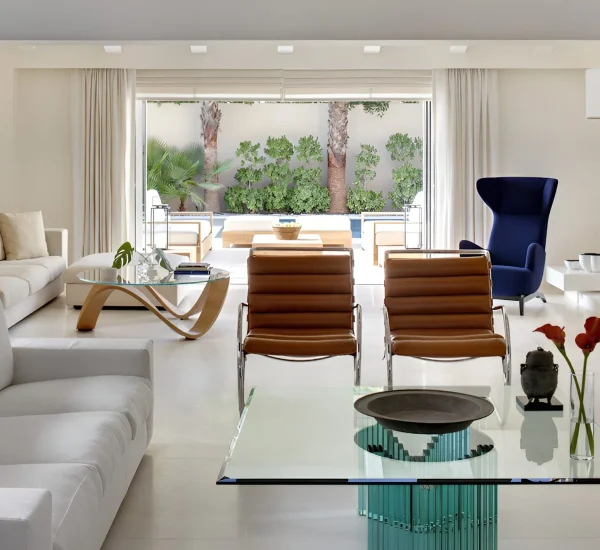
A beautiful home rarely comes from buying expensive things. It comes from noticing what makes a room feel calm, alive, and easy to live in when the dishes are still in the sink and the shoes are still by the door. That is why interior trends matter when they reflect real life instead of glossy fantasy. The strongest interior trends right now are less about showing off and more about shaping rooms that work hard, feel personal, and age well.
You can see the shift everywhere. Living rooms feel softer. Kitchens look cleaner without turning cold. Bedrooms finally stop pretending they are hotel suites and start acting like places where real people rest, read, worry, recover, and start again. That change is overdue. People want modern living spaces that look edited but not stiff, warm but not messy, stylish without feeling like a showroom no one is allowed to touch.
The best part is that you do not need a full renovation to get there. You need better judgment. A sharper eye for scale, texture, color, light, and function can change a room faster than another random shopping cart ever will. Trends come and go. Good instincts stay. The smart move is learning which ideas deserve a place in your home and which ones belong on someone else’s mood board.
Why the mood of a room matters before the furniture does
Most rooms go wrong long before the sofa arrives. They go wrong when you treat style like a shopping list instead of a feeling. A room needs emotional direction first. Do you want it to calm you down, wake you up, help you host, or give your brain a place to land after a noisy day? Once you answer that, the rest stops feeling random and starts making sense.
Soft minimalism is replacing cold perfection
Clean rooms used to mean stripping everything back until the space looked one argument away from a hotel lobby. That version of minimalism had discipline, but it also had all the warmth of a polished spoon. People lived in those rooms carefully, not comfortably. You could admire them. You could not really exhale in them.
The better version showing up now keeps the restraint and loses the frost. Softer shapes, chalky colors, natural grain, and lightly layered fabrics make a room feel pared back without feeling deprived. A cream wall beside a weathered oak table does more emotional work than a room full of sharp white surfaces ever could. Quiet beats sterile every time.
You can see why this shift sticks in actual homes. A family with books, chargers, baskets, and daily clutter needs a style that forgives life without giving up standards. Soft minimalism does that job well. It leaves breathing room, but it still lets the room feel human. That balance is where taste starts to show. It also gives you more freedom when the room is busy, because a softer backdrop makes ordinary objects look less chaotic. Mail on a console, toys in a basket, or a blanket tossed over an armchair feel like part of life instead of proof that the room failed.
Comfort has become a design standard, not a guilty secret
For years, comfort got treated like the less glamorous cousin of style. Designers pushed low sofas that looked amazing in photos but punished your spine by Tuesday. Dining chairs turned into sculpture projects. Bedrooms got dressed for admiration instead of sleep. People were calling rooms beautiful while avoiding sitting in them too long. That tells you everything.
Now comfort sits at the center of good decisions, and honestly, it should have been there all along. Deeper seats, rounded edges, forgiving textiles, and layouts that allow movement make a home feel intelligent. A room should not ask you to pose. It should know how you live and meet you there.
This is one reason modern living spaces feel more grounded now than they did a few years ago. You are seeing rooms that welcome socks on the floor, a second cup of coffee, and a child climbing onto the chair with sticky fingers. Good design is not fragile. It holds up under ordinary life and still looks sharp at sunset.
Texture now carries more weight than decoration
When rooms stop relying on clutter, surfaces have to do more work. Texture becomes the quiet hero. Limewash walls, brushed woods, chunky linen, matte stone, nubby rugs, and handmade ceramic pieces can build richness without visual noise. You feel the room before you fully read it. That is not magic. That is material intelligence.
Think about the difference between a flat beige room and one built in tones of sand, oat, clay, walnut, and worn brass. On paper, both sound neutral. In reality, one feels dead and the other feels expensive. The gap is texture. It gives depth where color stays restrained and keeps a simple room from slipping into boredom.
That is also why buying more accessories rarely solves a bland space. The answer often sits in the larger finishes. Swap a slick coffee table for a timber one. Add a woven blind instead of another framed print. Bring in a boucle chair or a stone lamp. Small surface choices can wake a room up without shouting for attention.
Interior trends that make everyday function look stylish
Once the mood is right, function becomes the next test. A room can look gorgeous for ten minutes and still fail you every single day. That kind of design gets praise online and resentment at home. The smarter approach gives practical needs the same attention as color and form. Better still, it makes those needs look deliberate instead of apologetic.
Storage is becoming visible, beautiful, and honest
Hidden storage still matters, but the old obsession with concealing every trace of daily life is fading. People want homes that feel composed, not erased. Open shelves, tailored cabinetry, wall hooks, vintage cabinets, and basket systems now work because they admit that living requires objects. The trick is editing, not pretending you own nothing.
The best storage choices look like part of the room’s character. A walnut sideboard can hold games and chargers while grounding a dining area. A painted bookshelf can display novels, boxes, and a few objects you actually care about. Even a row of pegs in an entry can feel handsome when the spacing, finish, and surrounding materials are right.
This is where many homes get an instant lift. They stop hiding everything in panic and start arranging daily life with intention. That shift makes a room easier to maintain because the system suits reality. You put things back faster when their place makes sense. Style follows order more often than people admit. People love to talk about color palettes, but a room with no storage plan never looks settled for long. Once the practical mess has a home, even modest furniture starts looking more intentional and far more refined.
Multipurpose rooms need stronger zoning, not more furniture
One room now handles work, rest, social time, exercise, and the strange little tasks no one photographs, like folding laundry while listening to voice notes. Cramming more furniture into that problem only makes it worse. Rooms need boundaries, even when walls stay put. Zoning gives a shared space some manners.
Rugs do a lot of that work. So do lighting changes, ceiling pendants, bookcases, benches, and the direction of seating. A small apartment can feel much calmer when the reading chair faces away from the dining table and the desk gets a lamp that marks it as a work spot instead of an accidental corner. Tiny cues matter.
People often think zoning sounds overly planned. It is not. It is what makes a room usable when square footage is tight. One open-plan living room in Karachi can hold family chats, remote work, homework, and evening television if each activity has a visual anchor. Without that, every task bleeds into every other one and the room starts feeling tired.
Kitchens are being simplified for the eye and sharpened for use
The loud kitchen had its moment. Busy veining, flashy hardware, open shelves packed with matching jars, and statement everything gave us rooms that photographed well and exhausted the eye by breakfast. The current move feels calmer. Fewer visual interruptions, better storage planning, and stronger material choices make the kitchen read as a working room, not a stage set.
This does not mean boring. It means disciplined. Full-height cabinetry, integrated appliances, slab backsplashes, and mixed materials used with restraint create a cleaner line of sight. A kitchen can still have warmth through timber stools, handmade tile, or aged metal, but it no longer needs fifteen decorative ideas fighting for the same square meter.
That restraint pays off in daily life. Cooking feels easier in a room that is not visually noisy. Cleaning feels lighter when surfaces stay clear. Guests gather more naturally when the kitchen looks settled rather than busy. Good kitchens do not perform for attention. They quietly make everyone’s day smoother, and that is a better kind of luxury.
Interior trends in color and materials are getting more personal
After function settles in, color and material choices decide whether a room feels borrowed or truly yours. This is where taste can either sharpen or wobble. The strongest homes do not chase every viral palette. They choose tones and finishes that flatter the light, suit the architecture, and make daily routines feel better instead of busier.
Earth-based colors are beating safe gray at last
Gray had a long run because it felt easy. The problem is that easy often turns flat. In many homes, gray swallowed warmth and made daylight look tired. Earth-based colors do the opposite. Clay, olive, mushroom, rust, oat, sand, tobacco, and muted terracotta bring life without tipping into chaos. They hold mood better than generic neutrals.
These shades also behave well across seasons. A warm mushroom wall can feel cool enough in summer and still welcoming during winter evenings. Olive upholstery hides wear better than pale beige and feels richer than standard charcoal. Even a dusty cinnamon cushion can wake up a quiet room more effectively than a pile of black-and-white accents.
If you want proof, look at how people respond when they enter a room painted in a soft mineral tone instead of builder-grade gray. They linger. They soften. They stop saying the room looks “nice” and start saying it feels good. That difference matters. Good color gets under your skin before it reaches your vocabulary. You may not name the undertone correctly, but you notice the effect instantly. The room feels warmer, steadier, more forgiving. That is what a useful palette should do every single day.
Mixed materials create depth when they are chosen with restraint
Rooms fall flat when everything matches too neatly. A home is not a furniture showroom, and it should not look like one brand solved every surface. Mixing materials gives a room maturity. Wood beside stone, linen beside metal, plaster beside glass, or leather beside boucle creates contrast that keeps the eye interested without making the room feel busy.
The key is tension with control. One sleek surface wants one tactile partner. One dark anchor wants one lighter balance. A black steel lamp beside a soft oak table works because the materials push against each other in a useful way. Add polished marble, mirrored chrome, and glossy lacquer on top, and the room starts losing its grip.
This is where a lot of readers overspend. They keep buying statement pieces instead of building material harmony. You usually need fewer impressive items and better relationships between them. For a wider look at how materials and mood shape a home, the design coverage on PRNetwork is a helpful starting point when you want fresh visual references without copying them outright.
Handmade details are pushing back against copy-paste interiors
The internet made style easier to access, and then it made too many homes look suspiciously alike. The same arch mirror. The same boucle stool. The same beige vase holding the same dried stems. Handmade details are the antidote. They bring irregularity, memory, and a little friction, which a polished room badly needs.
That could mean a carved wooden bowl from a local craft market, a hand-thrown lamp base, block-printed cushions, a quilt from your grandmother, or artwork that has actual fingerprints in its story. These pieces do something flat-pack perfection cannot do. They give a room biography. You feel a person behind the choice.
The most stylish homes rarely shout their uniqueness. They reveal it slowly. A handmade object on a clean shelf can do more than five trendy accessories bought in one weekend. People remember the room with the odd little ceramic piece and the old woven stool because it resists sameness. Good taste often looks slightly specific, almost stubborn. That is a compliment.
How to make interior trends last longer than one season
A trend only becomes useful when you know how to translate it into your own life. Otherwise, you are just renting someone else’s taste for a few months. The goal is not to freeze your home in one style forever. The goal is to build rooms that can absorb change without losing their spine.
Spend on the bones, play with the surface
The smartest homes separate permanent choices from playful ones. Floors, large rugs, sofas, paint, cabinetry, and major lighting deserve patience because replacing them is expensive and annoying. Cushions, side tables, art, throws, and smaller lamps can carry the mood of the moment without forcing a room into a full identity crisis every year.
This saves money, but it also protects your eye from impulse. A curved cream sofa might look irresistible during a trend wave, yet it is the wrong choice if you host messy dinners, own pets, or secretly hate light upholstery. Buy the strong, sensible version first. Then let the smaller pieces flirt with fashion. That is how stylish homes stay sane.
You can apply the same thinking to materials and color. Keep the foundation grounded, then shift the accents when your taste changes. One season you add smoked glass and aubergine. Another year you bring in striped linen and darker wood. The room evolves because the structure allows it. That flexibility is worth more than a trendy makeover. It also makes future decisions easier, because you are not forced to defend old impulse buys that never belonged in the room. A solid foundation gives you room to experiment without losing the thread of the home.
Edit rooms like a stylist, not a shopper
Most homes do not need more things. They need sharper editing. That sounds strict, but it is actually liberating. When you remove the pieces that block movement, repeat the wrong finish, or add noise without meaning, the better parts finally get room to speak. A home gets stronger every time you stop decorating by accumulation.
Try this in one corner before doing anything costly. Clear the surface. Put back only what earns its place through use, beauty, or memory. Then step back and ask what still feels off. Often the answer is not “buy more.” It is “the lamp is too small,” “the art hangs too high,” or “the chair belongs in another room.” Small truths change everything.
This is where interior trends become helpful rather than bossy. They teach you what feels current, but editing teaches you what feels right. That second skill lasts longer. It also protects you from the endless cycle of buying pieces you liked for six minutes on your phone. Homes improve faster when you choose with restraint and live with intention.
The best rooms leave a little space unfinished
Perfection can ruin a room just as quickly as neglect. When every corner looks solved, the space feels closed off, almost overexplained. Real homes need some looseness. An empty patch of wall, a shelf that is not fully styled, or a corner waiting for the right chair can keep the room alive instead of frozen.
This may sound counterintuitive in a culture that rewards instant before-and-after results. Still, the most convincing rooms usually develop in layers. They absorb travel, mood shifts, changing habits, and better judgment. Not always quickly. But often more beautifully. A home with a little patience usually beats a home finished in one shopping spree.
That matters because modern living spaces keep changing with the people inside them. Work patterns shift. Children grow. Entertaining styles change. Your own taste gets bolder, calmer, stranger, or more selective. Leave room for that. The strongest homes are not the ones that look complete on day one. They are the ones that keep becoming more themselves over time.
Conclusion
A stylish home does not come from chasing every pretty idea that crosses your feed. It comes from learning how a room should feel, choosing materials that earn their keep, and editing with enough honesty to admit when something looks trendy but lives badly. That is the real lesson behind the best interior trends. They are pushing homes toward warmth, function, texture, character, and rooms that can survive daily life without losing their edge.
You do not need a giant budget or a dramatic renovation to get there. You need better choices made in the right order. Start with mood. Fix the layout. Respect storage. Trade flat finishes for richer texture. Pick colors with nerve. Let handmade pieces break the sameness. Then stop before you overdo it. Restraint is not boring. It is usually the move that makes everything else look more expensive.
If your rooms feel close but not quite right, treat that as good news. It means the answer is probably not far away. Use these ideas to rethink one space this week, and let your version of modern living spaces grow from what your life actually needs, not what the algorithm keeps trying to sell you.
FAQ 1: What are the biggest interior design trends for modern homes right now?
The biggest shifts are softer minimalism, warmer earth tones, tactile materials, better zoning, and storage that looks intentional. People want homes that feel calm and usable, not staged. Comfort matters more now, and rooms succeed when they support routines gracefully.
FAQ 2: How do I make a living room look modern without renovating?
Start with layout, not shopping. Remove visual clutter, improve lighting, add texture through fabric and wood, and choose one grounded color story. Swap fussy accessories for fewer, better pieces. Even a new rug and lamp pairing can change the room.
FAQ 3: Which colors work best in modern living spaces?
Warm mineral shades tend to work best because they soften the room without feeling sugary. Think clay, olive, sand, mushroom, rust, and muted browns. These colors handle daylight beautifully, flatter natural materials, and feel more inviting than generic gray did.
FAQ 4: Are open shelves still in style for kitchens and living rooms?
Yes, but only when used with discipline. Open shelves look good when they hold meaningful, useful items and enough empty space. When every inch gets packed, they turn into visual noise. Edit hard, group thoughtfully, and let negative space work.
FAQ 5: How can I follow trends without making my home look dated later?
Keep permanent choices simple and durable, then let smaller pieces carry trend energy. Paint, major furniture, flooring, and cabinetry should have staying power. Use cushions, art, lighting, and accent furniture for experimentation. That way the room can shift without regret.
FAQ 6: Why do some modern interiors feel stylish but still uncomfortable?
They chase image over reality. A low sofa, harsh chair, or awkward layout may photograph well yet fail in daily use. The best interiors understand how you sit, walk, rest, and host. Beauty lasts longer when body comfort agrees too.
FAQ 7: What materials make a home feel more expensive without overspending?
Focus on texture before price. Washed linen, solid wood, matte stone, aged metal, wool, woven fibers, and ceramic pieces usually add depth fast. You do not need rare materials. You need fewer plastic-looking finishes and more surfaces that age well.
FAQ 8: How often should I update my home to keep it feeling current?
You do not need a yearly overhaul. Refresh smaller details when the room feels stale, but rethink major pieces slowly. A home stays current through editing, better lighting, fresh textiles, and smarter layout choices more often than through constant replacement.