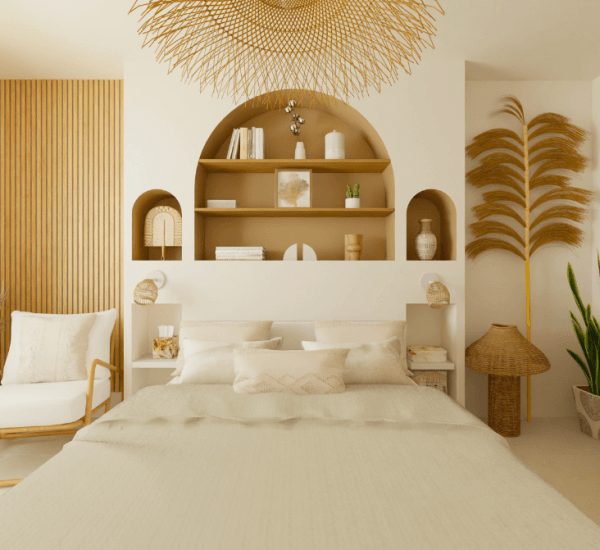

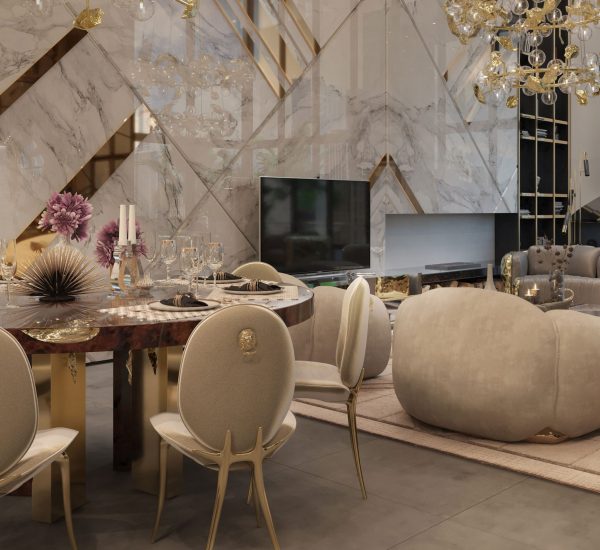
A stylish room does not happen because you bought one expensive sofa and hoped for magic. It happens because every choice in the space pulls in the same direction. The best interior design ideas do not shout for attention. They quietly control mood, comfort, and the way your home feels at the end of a long day.
You know that strange disappointment when a room looks fine on paper but somehow feels flat in real life? That gap usually comes from weak contrast, bad scale, or a layout that ignores how people actually move. A home should look good, yes, but it should also make daily life easier. That is where design stops being decoration and starts becoming practical beauty. If you want a stylish home that feels polished without looking stiff, you need more than trends. You need smart choices, a clear point of view, and the nerve to edit hard when a room starts collecting clutter instead of character.
Start With Rooms That Know Their Job
Most homes look messy before they look beautiful, and the reason is painfully simple: the room has no clear role. A living room becomes a TV cave, a storage zone, a work corner, and a dumping ground for laundry in one breath. No wonder it feels off. Before you pick colors or shop for new pieces, decide what each room must do for you every single day. That single move changes everything that comes after.
Build Layouts Around Movement, Not Just Furniture
A strong layout begins with the path your body takes through a room. You should be able to cross the space without bumping into corners, squeezing past side tables, or walking around furniture that looks nice but sits in the wrong place. Comfort starts with movement, and movement tells you where the main pieces belong.
I learned this the hard way in a narrow apartment living room where the sofa faced the fireplace, the chairs faced the window, and nothing faced real life. Guests kept shifting sideways to pass through the center. It looked balanced in photos and terrible in person. The fix was not dramatic. I pulled the sofa off the wall, turned the chairs inward, and created one honest conversation zone.
That kind of edit sounds small until you live with it. A room with a clean walking path feels calmer within minutes. It also looks larger, even when you have not added a single inch. Good design often works like that. Quiet move, huge effect.
Create Zones That Match Real Daily Habits
Open-plan spaces can be wonderful, but they get sloppy fast when everything bleeds into everything else. The answer is not more furniture. The answer is better zoning. Rugs, lighting, and furniture placement should tell your brain where one function ends and another begins without building walls.
Think about how you actually use the space at 7 p.m., not how a magazine says you should use it. Maybe the dining table doubles as homework central. Maybe a bedroom corner becomes your reading nook because the kitchen table feels too harsh after work. Design gets better the moment it respects your habits instead of pretending you live like a showroom model.
This is where many people miss the easiest win. They buy a bigger shelf when they really need a sharper boundary. A rug under the seating area, a slim console behind the sofa, or a floor lamp beside one chair can define a zone with far more grace than another bulky piece ever could.
Color Should Shape Mood, Not Chase Fashion
Once the layout makes sense, color begins to matter in a deeper way. It is not just about what looks pretty on a paint chip under store lighting. Color controls energy, softness, drama, and even how clean a room feels. The right palette does not beg for compliments. It makes you want to stay longer.
Pick a Base Palette You Can Live With for Years
The smartest color plans start with restraint. That word scares people because they think restraint means boring beige and timid walls. It does not. It means choosing a base palette that gives your eye room to rest and your furniture room to matter. Warm whites, deep taupes, soft clay shades, smoky greens, and muted blues all do this well.
A base palette needs staying power because walls, floors, and large upholstery cost real money to change. If you go too trendy too fast, the room dates itself before your first lamp bulb burns out. I would rather see a room built on quiet color with one fearless accent than a room screaming in six fashionable tones that already feel tired.
This is also the point where many interior design ideas fail. They confuse novelty with taste. Novelty is fun for a week. Taste lasts because it knows when to hold back. Choose a palette that flatters your light in the morning, afternoon, and evening. That is the real test, not the paint card.
Use Contrast to Add Depth Without Chaos
A room with no contrast feels sleepy, but a room with too much contrast feels jumpy. You want tension, not noise. Dark wood against pale walls, matte black against soft linen, brass beside stone, or crisp white trim around a colored wall can make a space feel deliberate without turning it into a circus.
The trick is to repeat contrast in a controlled way. If you introduce black in one lamp, echo it in picture frames, hardware, or a small side table. That repeated note gives the room structure. It stops bold choices from feeling random. This is the secret behind homes that look collected rather than accidental.
I once watched a friend repaint her whole dining room because she thought the color felt wrong. The paint was fine. The room lacked contrast. We added a darker rug, swapped flimsy chrome chairs for black wood ones, and suddenly the walls looked richer. Sometimes the wall is innocent. The rest of the room is guilty.
Texture Is What Makes a Stylish Home Feel Alive
After layout and color come the details people notice without knowing how to name them. Texture is one of those details. It is why one room feels layered and expensive while another feels cold, even if both use similar colors. A stylish home never relies on color alone. It mixes surfaces so the eye stays interested and the room feels lived in.
Layer Soft and Hard Materials With Intention
Every room needs a conversation between soft and hard finishes. Too many hard surfaces and the space feels echoey, stiff, and slightly unfriendly. Too many soft ones and the room turns mushy, like it forgot to grow a backbone. The balance matters more than the budget.
Think linen curtains with a marble table. Think oak floors under a chunky wool rug. Think a sleek metal lamp beside a nubby armchair. Those pairings wake a room up. They create friction in the best way. You do not need twenty materials. You need a few that clearly disagree and somehow get along.
This is why hotel-style matching sets so often miss the mark. They make everything easy, but they flatten personality. Real homes need a little texture clash. Not mess. Not confusion. Just enough difference to keep the room from feeling like it arrived in one cardboard shipment.
Let Light Hit Surfaces That Deserve Attention
Texture only works when light can find it. A velvet chair in a dark corner contributes almost nothing. A plaster wall that catches morning sun can carry half the mood of a room by itself. Light reveals texture, so your material choices and lighting plan should work together, not act like strangers.
This is one reason natural materials age so well. Wood grain, stone veining, woven baskets, and handmade ceramics shift throughout the day as shadows move across them. The room changes without you touching a thing. That living quality is hard to fake, which is why overly glossy, overly perfect rooms often feel emotionally empty.
If you need inspiration that balances fresh style with livable spaces, browse home design features and décor insights and study how light changes the mood of different materials. Then look back at your own rooms. Chances are, the flat spot is not the color. It is the surface story.
Edit Ruthlessly and Style Like You Mean It
Now we get to the part people either love or avoid: editing. A room becomes strong when you stop adding and start choosing. Styling is not about stuffing shelves until they look expensive. It is about deciding what earns space in your home and what quietly ruins the mood.
Cut Visual Noise Before You Add More Decor
Most rooms do not need more objects. They need fewer distractions. Cords hanging loose, undersized art, too many tiny accessories, and furniture that serves no purpose create visual static. Even a beautiful room can lose its edge when every flat surface starts collecting proof of your indecision.
I tell people to clear the room before they style the room. Remove the pieces that do not fit the scale, the color story, or the function. Sit with the emptier version for a day. Yes, it can feel strange at first. That is normal. Clutter often tricks you into thinking it adds warmth when it really adds tension.
This step takes nerve because it asks for honesty. That charming stool you never sit on might be stealing the space your room actually needs. Those six decorative objects on the console might be saying less than two stronger pieces would. Style gets sharper the moment you stop trying to prove you have taste.
Finish With Personality, Not Perfection
A home should reflect your eye, your habits, and the life you are building, not some polished fantasy that survives only when nobody touches anything. The final layer of design should feel personal enough to be memorable but edited enough to stay calm. That balance is where great rooms live.
Use books you truly read. Frame art that says something real, even if it is odd. Add one piece with a story, whether that is a vintage lamp from a flea market or a bowl you bought while traveling and still smile at every morning. The room needs a pulse. Perfection is not the goal. Presence is.
The strongest interiors often include one slightly unexpected choice that keeps the room human. A formal dining room with a battered antique bench. A sleek bedroom with a handmade quilt. A polished entry with a funny ceramic dog holding umbrellas. Small surprises do heavy lifting. They turn design into memory.
Top Interior Design Ideas for a Stylish Home Begin With Better Decisions
A beautiful home is not built from impulse buys and copied mood boards. It is built from better decisions made one after another, with patience, clarity, and a willingness to remove what does not belong. The most lasting interior design ideas are rarely the loudest. They work because they respect how you live, how you move, and what kind of feeling you want your rooms to leave behind after the lights go out.
That is the real shift. When you stop asking, “What should I buy next?” and start asking, “What does this room need to do well?” your choices sharpen fast. Layout gets cleaner. Color gets smarter. Texture starts carrying weight. Styling becomes personal instead of performative. If you want a stylish home, do not chase perfect. Build rooms with purpose, courage, and a little discipline. Walk through your home today, choose one room that feels almost right, and fix the one decision that keeps it from becoming excellent. Start there. The rest will follow.
What are the best interior design ideas for small homes?
The best ideas for small homes focus on layout, light, and restraint. Choose scaled furniture, keep walking paths clear, use mirrors with purpose, and limit clutter. A small room feels better when every item earns its place and supports daily life.
How do I make my home look stylish on a budget?
Start by editing what you already own, then spend on the pieces that change the room most. Paint, lighting, rugs, and good curtains do heavy lifting. Skip cheap clutter. One strong chair beats five forgettable accessories every single time.
Which colors make a home look more expensive?
Quiet, layered colors often look richer than loud trend shades. Warm white, deep olive, charcoal, clay, soft taupe, and muted blue tend to age well. Pair them with contrast, natural textures, and clean trim so the room feels intentional, not flat.
How can I mix modern and classic interior styles successfully?
Use one style as the base and the other as the accent. Keep the color palette steady, then mix lines and materials. A classic room can handle modern lighting. A modern room often benefits from antique wood or framed traditional art.
What mistakes make a room look badly designed?
The biggest mistakes are poor scale, weak lighting, crowded surfaces, and furniture shoved against every wall. Too many tiny accessories also hurt. Rooms look better when pieces fit the space, serve a reason, and leave enough visual breathing room.
How often should I update my home décor?
You do not need a full refresh every year. Update when the room stops serving your life well or starts feeling stale. Swap textiles, lighting, or art first. Good foundational pieces should last many years if you chose them with care.
What is the easiest way to start decorating a new house?
Begin with function before style. Decide how each room should work, then place major furniture to support movement and comfort. After that, choose a calm base palette. Decor should come last, once the room already feels grounded and useful.
How do I choose accessories without making a room look cluttered?
Pick fewer pieces with stronger presence. Vary height, shape, and texture, but keep the color story connected. Leave empty space around objects so they can breathe. Styling works best when each item adds meaning, not when it just fills gaps.