

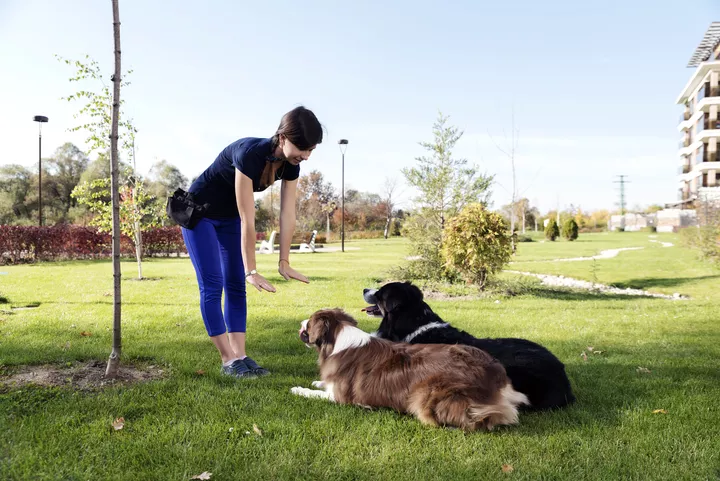
Dogs rarely behave “badly” without a reason. Barking, lunging, pulling, jumping, hiding, or ignoring commands can reflect a dog’s emotional state, environment, past experiences, or training history. For Phoenix pet owners facing challenging behaviors, a dog behavior specialist in Phoenix can help identify patterns and develop a structured approach to address them. Rob’s Dog Training provides professional guidance focused on helping dogs develop appropriate responses and improving communication between dogs and their owners.
Effective behavior work is not simply about stopping an unwanted action. It involves understanding what triggers the behavior, teaching more appropriate responses, and giving owners practical strategies they can consistently use in everyday situations.
Why Dog Behavior Problems Develop
Behavior is influenced by many factors. A dog’s temperament, early experiences, environment, routine, reinforcement history, and exposure to different situations can all affect how it responds.
For example, a dog that barks at another dog across the street may be reacting to fear, excitement, frustration, or previous experiences. Simply correcting the barking without understanding the trigger may not address the underlying problem.
Common behavior concerns include:
- Leash pulling or lunging
- Excessive barking
- Jumping on people
- Poor impulse control
- Reactivity toward dogs or strangers
- Difficulty following commands around distractions
- Separation-related behaviors
- Fearful or anxious responses
- Aggressive-looking behavior
- Difficulty settling in busy environments
The first step is to look beyond the behavior itself. Ask what happens immediately before it, what the dog does, and what occurs afterward. These patterns can provide useful clues about why the behavior continues.
Behavior Modification Starts With Observation
One of the most valuable skills in dog training is learning to observe rather than immediately react.
Suppose a dog begins barking whenever someone approaches the front door. The barking may appear to be the problem, but the trigger could be the doorbell, footsteps, unfamiliar people, territorial excitement, or anticipation of something happening next.
A professional assessment can help identify these patterns more objectively.
During an evaluation, factors worth considering include:
- The trigger: What causes the behavior?
- The environment: Where does it happen most often?
- The intensity: How quickly does the dog become overwhelmed?
- The response: What does the dog do when triggered?
- The recovery: How long does it take the dog to return to a calm state?
- The owner’s response: What happens immediately after the behavior?
This information helps create a more practical training strategy instead of relying on one-size-fits-all corrections.
Why Temperament Matters in Dog Training
Two dogs can display similar behaviors for completely different reasons.
One dog may pull toward other dogs because it wants to interact. Another may pull, bark, and lunge because it feels uncomfortable or threatened. Their outward behavior may look similar, but their training needs can be very different.
Temperament also influences how quickly a dog adjusts to new situations. Age, breed tendencies, previous experiences, confidence, energy level, and environmental sensitivity can all affect training.
This is why customized dog training is often more useful than applying the exact same routine to every dog.
A dog behavior specialist can look at the individual dog rather than treating a label such as “reactive” or “stubborn” as the complete explanation.
Dog Behavior Specialist Phoenix: When Professional Help Makes Sense
Not every training challenge requires professional intervention. Many owners can teach basic commands such as sit, stay, down, and come through consistent practice.
However, professional guidance may be valuable when behavior becomes difficult to manage or begins interfering with everyday life.
Consider professional support when:
- Walks consistently become stressful
- Your dog reacts strongly to people or other animals
- Basic commands disappear around distractions
- Your dog struggles to settle at home
- You feel uncertain about how to respond to unwanted behavior
- Training attempts have produced inconsistent results
- The behavior creates safety concerns
Getting help does not mean an owner has failed. In many cases, professional guidance gives owners a clearer understanding of what to practice and how to respond consistently.
Why Real-World Practice Matters
A dog that performs perfectly in a quiet living room may behave completely differently at a park, on a neighborhood walk, or around unfamiliar people.
This is where proofing becomes important.
Training should gradually move from simple environments toward situations containing realistic distractions. A dog may first practice a command in a quiet room, then in a backyard, and eventually in a busier outdoor environment.
The goal is not to overwhelm the dog. Instead, distractions should be introduced at a manageable level so the dog can practice making appropriate choices.
For Phoenix-area owners, this can be especially useful because everyday life may involve busy sidewalks, parks, unfamiliar dogs, traffic, visitors, and other environmental distractions.
Building Better Impulse Control
Impulse control is an important part of behavior training.
A dog that immediately reacts to every stimulus may struggle to listen when excited. Teaching the dog to pause, focus, and respond to a known cue can create better communication.
Owners can practice impulse control through simple routines such as:
- Waiting calmly before meals
- Pausing before going through doors
- Holding a sit while distractions are introduced
- Rewarding calm behavior around people
- Practicing attention around controlled distractions
- Teaching the dog to settle on a designated spot
These exercises should be practiced consistently rather than only when a problem occurs.
The objective is to make calm decision-making a familiar behavior.
Leash Reactivity Requires a Thoughtful Approach
Leash reactivity is one of the more stressful problems owners encounter. A reactive dog may bark, growl, lunge, freeze, or pull when it sees another dog, person, bicycle, or other trigger.
Importantly, reactivity does not automatically mean aggression. Fear, frustration, overstimulation, or excitement can all contribute to a strong response.
Management is an important first step. Owners should avoid repeatedly placing a dog in situations where it becomes overwhelmed. Creating distance, improving handler control, and practicing attention away from intense triggers can make training more productive.
Over time, structured exposure can help a dog learn that seeing a trigger does not automatically require an explosive response.
The Owner Is Part of the Training Plan
A professional trainer can teach a dog new skills, but long-term consistency depends heavily on what happens after the lesson.
Dogs learn through repetition. If one person allows jumping while another consistently discourages it, the dog receives mixed information. The same issue can occur with furniture access, door manners, leash behavior, or responding to commands.
Owners should establish household rules that everyone can follow.
A useful home-training routine might include:
Short practice sessions: Several brief sessions can be easier to maintain than one lengthy session.
Clear expectations: Use consistent cues and boundaries.
Immediate feedback: Reinforce desired behavior close to the moment it happens.
Controlled distractions: Increase difficulty gradually.
Daily repetition: Practice skills in ordinary situations rather than treating training as a separate event.
Consistency turns individual lessons into habits.
Choosing the Right Training Program
Different dogs and owners may benefit from different training formats. Some owners prefer hands-on instruction, while others have schedules that make an immersive program more practical.
Private lessons allow owners to work directly with their dogs while learning techniques they can continue using between sessions. Board and train programs provide structured training and daily practice under professional supervision. Rob’s Dogs currently offers both private lessons and board and train programs, along with dog boarding.
The right choice should depend on the dog’s needs, the owner’s involvement, the behavior being addressed, and the ability to maintain training afterward.
Before choosing a program, ask:
- Is the training customized to the individual dog?
- Does the trainer assess behavior before recommending an approach?
- Will the owner learn how to maintain progress?
- Are real-world distractions incorporated?
- Is there a clear process for tracking improvement?
- Does the program match the dog’s temperament and specific challenges?
These questions can help owners focus on meaningful training outcomes rather than simply choosing the most convenient option.
Better Behavior Comes From Better Communication
Dog training is most effective when owners understand what their dogs are experiencing and provide clear alternatives. A dog does not need to be perfect to make progress. Training can help dogs pause before reacting, respond to commands despite distractions, walk more calmly, and handle everyday situations with greater consistency.
For Phoenix owners, working with a dog behavior specialist in Phoenix can make this process more structured and manageable. A thoughtful behavior assessment can identify patterns, while customized training can give both dogs and owners practical skills to use in daily life.
If your dog’s behavior is making walks, visitors, outings, or home life difficult, consider professional guidance rather than waiting for the problem to become more established. Rob’s Dog Training provides behavioral assessments, private lessons, and board and train options designed around individual training needs.
The goal is not simply a dog that follows commands in a quiet room. It is a dog that can apply those skills when real life gets distracting, along with an owner who knows how to continue that progress.