
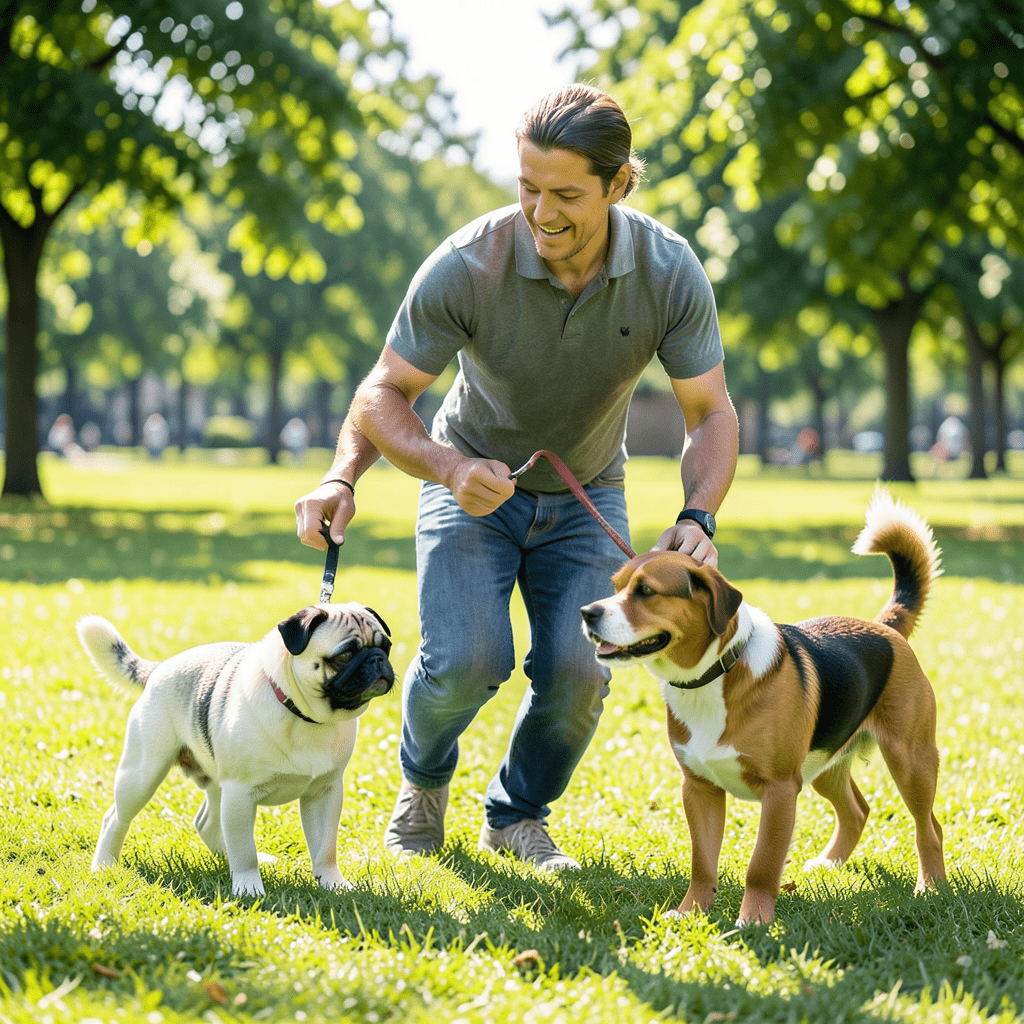
Effective Golden Retriever training is essential for developing a well-mannered, confident, and socially balanced dog. Golden Retrievers are known for intelligence, eagerness to please, and friendly temperament, which makes them highly trainable when the right structure is in place. However, without consistent guidance, behaviors such as jumping, leash pulling, and excessive excitement can become long-term habits. Rob’s Dog Training provides structured, results-driven methods designed to support long-lasting obedience and behavioral improvement.
Understanding the Importance of Golden Retriever Training Early
Early Golden Retriever training is one of the most important factors in shaping lifelong behavior. Puppies go through key developmental stages where learning is faster and more natural. During this time, boundaries and expectations must be introduced clearly and consistently.
Golden Retrievers that receive early structure tend to show:
- Stronger impulse control in stimulating environments
- Better leash manners during walks
- Improved ability to follow basic and advanced commands
- Reduced risk of anxiety-related behaviors
- Healthier social interaction with humans and other dogs
When training is delayed, unwanted behaviors can become reinforced, requiring more corrective work later. Consistency during early development builds a stable behavioral foundation that lasts into adulthood.
Science-Backed Methods Used in Golden Retriever Training
Modern Golden Retriever training relies on behavioral science, particularly operant conditioning and positive reinforcement. Dogs learn through associations, meaning behaviors followed by rewards are more likely to be repeated.
Positive Reinforcement Techniques
Reward-based training remains the most effective approach for Golden Retrievers. Desired behaviors are reinforced using treats, verbal praise, or play. This builds motivation and strengthens trust between dog and handler.
Examples include:
- Rewarding calm sitting before meals
- Reinforcing eye contact during distractions
- Praising leash walking without pulling
Marker Training for Clear Communication
Marker training uses a consistent sound or word to signal correct behavior at the exact moment it happens. This improves clarity and speeds up learning.
Consistency in Commands
Golden Retrievers respond best when commands remain uniform. Changing cues or tone can slow progress and create confusion.
Structured Routine in Golden Retriever Training
A predictable routine is essential for successful Golden Retriever training. Dogs thrive on structure because it helps them understand expectations throughout the day.
A balanced routine may include:
- Morning walk with obedience practice
- Short training sessions focusing on one command
- Controlled playtime to release energy
- Calm rest periods to avoid overstimulation
- Evening reinforcement of learned behaviors
Short, frequent sessions (5–15 minutes) are more effective than long, exhausting training blocks. Repetition strengthens memory and builds reliable responses over time.
Socialization as a Core Element of Golden Retriever Training
Socialization is a critical phase in Golden Retriever training that shapes behavior in real-world environments. Exposure to different people, animals, sounds, and locations helps prevent fear-based reactions and anxiety.
Key socialization practices include:
- Introducing calm interactions with other vaccinated dogs
- Exposure to household sounds such as vacuum cleaners or doorbells
- Visits to parks, sidewalks, and pet-friendly environments
- Controlled encounters with strangers
Proper socialization helps Golden Retrievers become confident and adaptable rather than reactive or overly shy.
Common Behavioral Challenges in Golden Retriever Training
Even though Golden Retrievers are known for being friendly and intelligent, several behavioral challenges may arise without proper guidance.
1. Leash Pulling
This is one of the most common issues. It usually occurs when excitement overrides focus. Training involves teaching loose-leash walking and rewarding calm movement.
2. Excessive Jumping
Jumping often comes from excitement and attention-seeking behavior. Consistently ignoring jumping and rewarding calm greetings helps correct this habit.
3. Separation Anxiety
Golden Retrievers form strong bonds, which can lead to distress when left alone. Gradual desensitization and independence training help reduce anxiety.
4. Overexcitement Around Guests
Structured greeting routines teach dogs to remain calm when new people arrive.
Rob’s Dog Training focuses on identifying the root cause of each behavior rather than just correcting symptoms, which leads to more permanent results.
Advanced Golden Retriever Training Techniques
Once basic obedience is established, advanced training can further enhance behavior control and mental stimulation.
Off-Leash Recall Training
Reliable recall is essential for safety. Training begins in low-distraction environments and gradually increases in complexity.
Impulse Control Exercises
Teaching patience through “wait,” “stay,” and “leave it” commands improves self-discipline.
Leash-Free Focus Drills
These exercises strengthen attention even in distracting environments.
Mental Enrichment Activities
Puzzle toys, scent games, and structured problem-solving tasks help prevent boredom-related behavior issues.
Role of Professional Training in Golden Retriever Training Success
While at-home training provides a foundation, professional guidance can significantly accelerate progress. Structured programs like those offered by Rob’s Dog Training provide:
- Expert behavioral assessment
- Customized training plans based on temperament
- Controlled environments for safe learning
- Consistent reinforcement techniques
- Faster correction of difficult behaviors
Professional support is especially valuable for dogs with persistent behavioral challenges or high energy levels.
Building Long-Term Success in Golden Retriever Training
Long-term success depends on consistency, patience, and reinforcement beyond initial training phases. Golden Retrievers require ongoing mental engagement and structured interaction to maintain good behavior.
Key long-term strategies include:
- Regular refresher training sessions
- Continued reward for good behavior
- Maintaining structured daily routines
- Avoiding inconsistent rules or commands
- Providing sufficient physical and mental stimulation
Dogs that receive continuous reinforcement are more likely to retain obedience skills throughout life.
Conclusion
Effective Golden Retriever training is the foundation for raising a disciplined, confident, and well-adjusted companion. With the right combination of structure, positive reinforcement, and consistent guidance, Golden Retrievers can develop exceptional obedience and social behavior. Professional programs such as Rob’s Dog Training offer structured support that helps accelerate learning and correct behavioral challenges effectively. For lasting results, training should remain consistent, engaging, and tailored to the dog’s individual needs.